Spanish Imperial Eagle
180–210cm
75–85cm
2,400–2,900g
Profile
- Life expectancy
- Clutch size
- Usually 2–3 eggs
- Global status
- Activity
- Migration
Identification
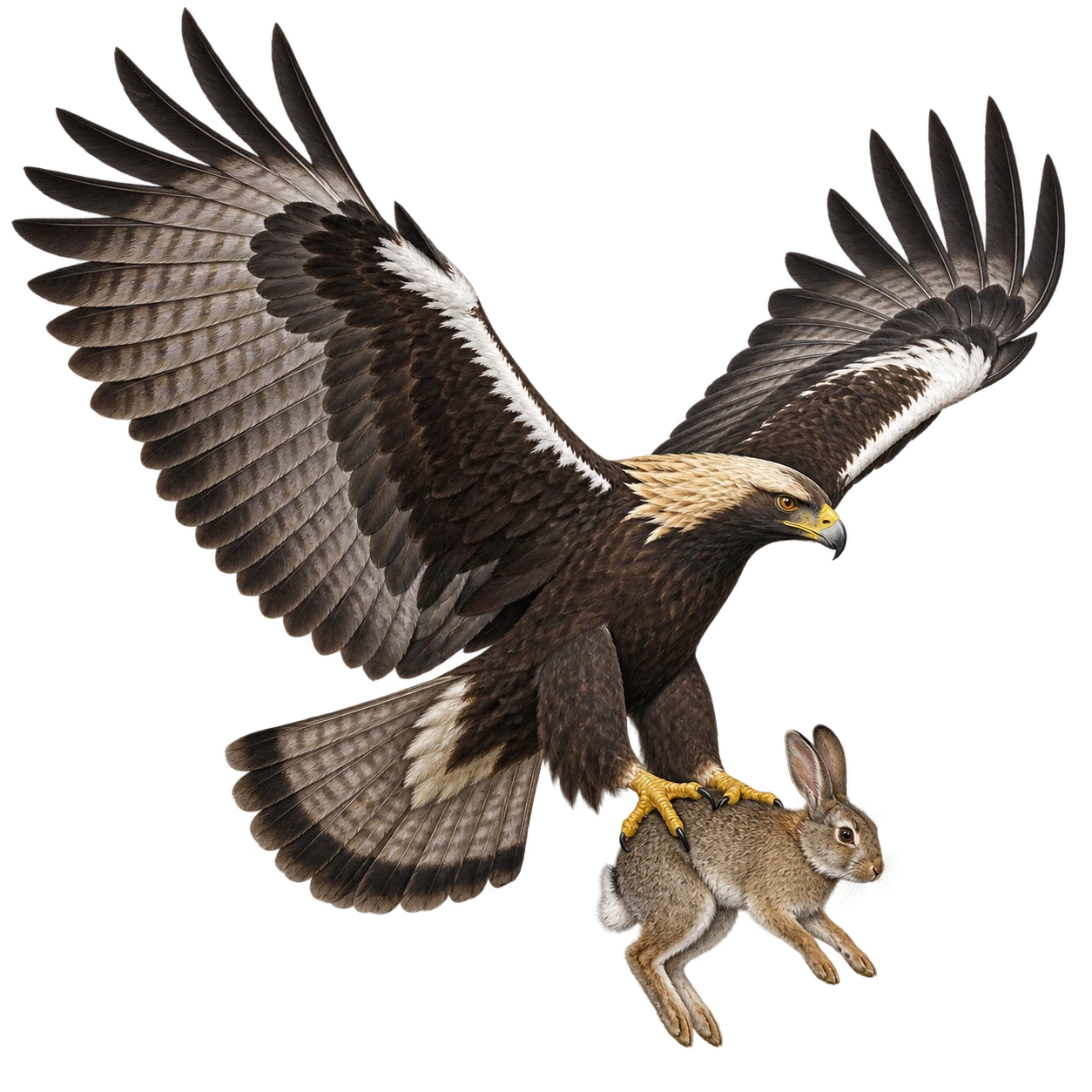
Rectangular wings, a strong bill and, in adult plumage, white shoulders. Juveniles are a warm rufous-brown and coloured quite differently from young Eastern Imperial Eagles.
Colours
Adult
Dark brown body, cream nape and strikingly white shoulders or leading edges of the wings. The tail base is paler than the terminal band.
Behaviour
Adults keep to their territory all year round. Young birds wander more widely while searching for suitable habitat.
Breeding & rearing
Both partners build the large tree nest. The young hatch after an incubation period of about 44 days; they spend roughly eleven weeks in the nest.
Diet
Prey examples
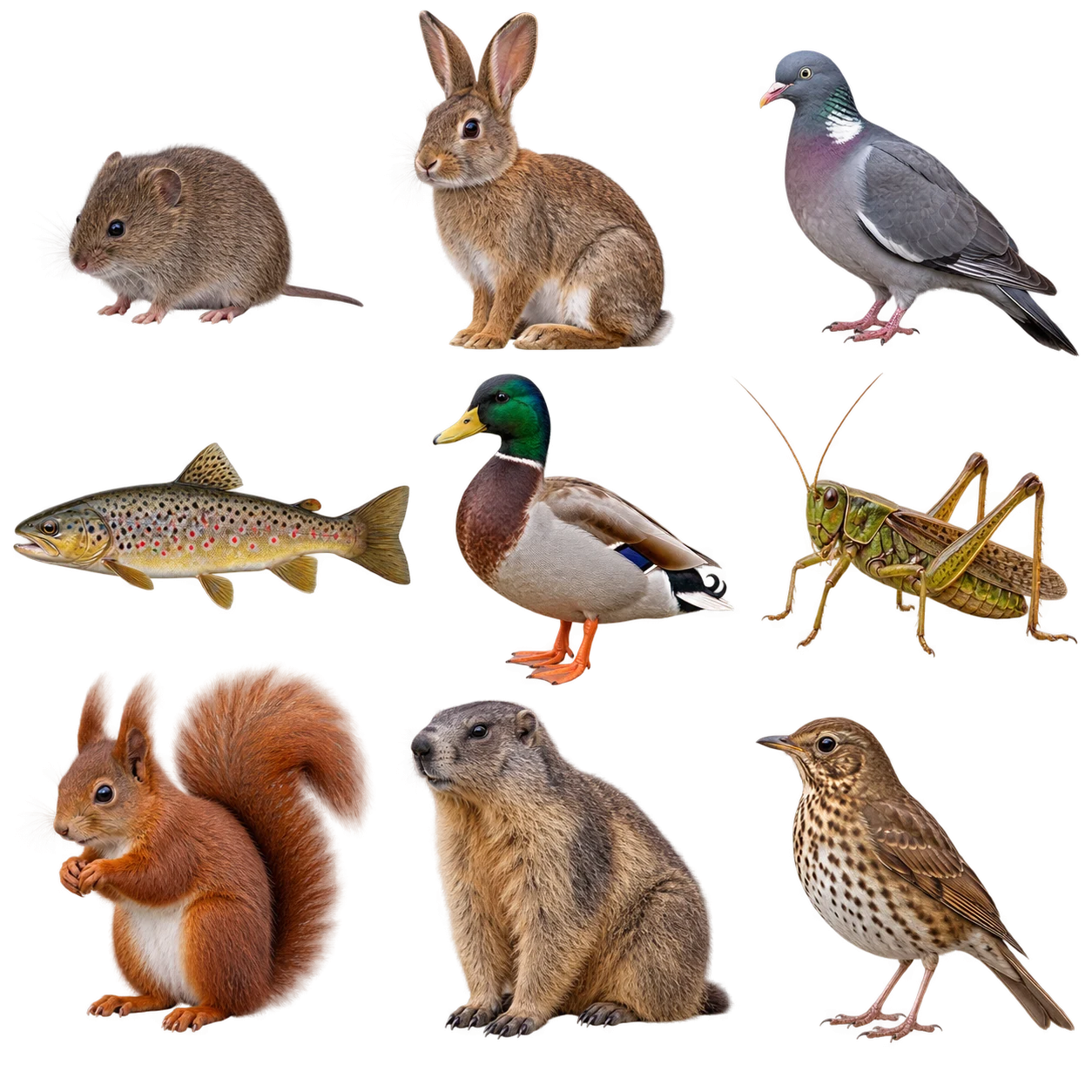
RabbitsRabbits are the most important prey. When they are scarce, pigeons and waterbirds, among others, are caught; carrion is also used.
Occasional
Pigeons
WaterbirdsHunting

From a lookout or in search flight it spots rabbits and stoops on them. When rabbits are scarce, it takes more birds and other vertebrates.
Distribution
Range
Spain & Portugal
Habitat
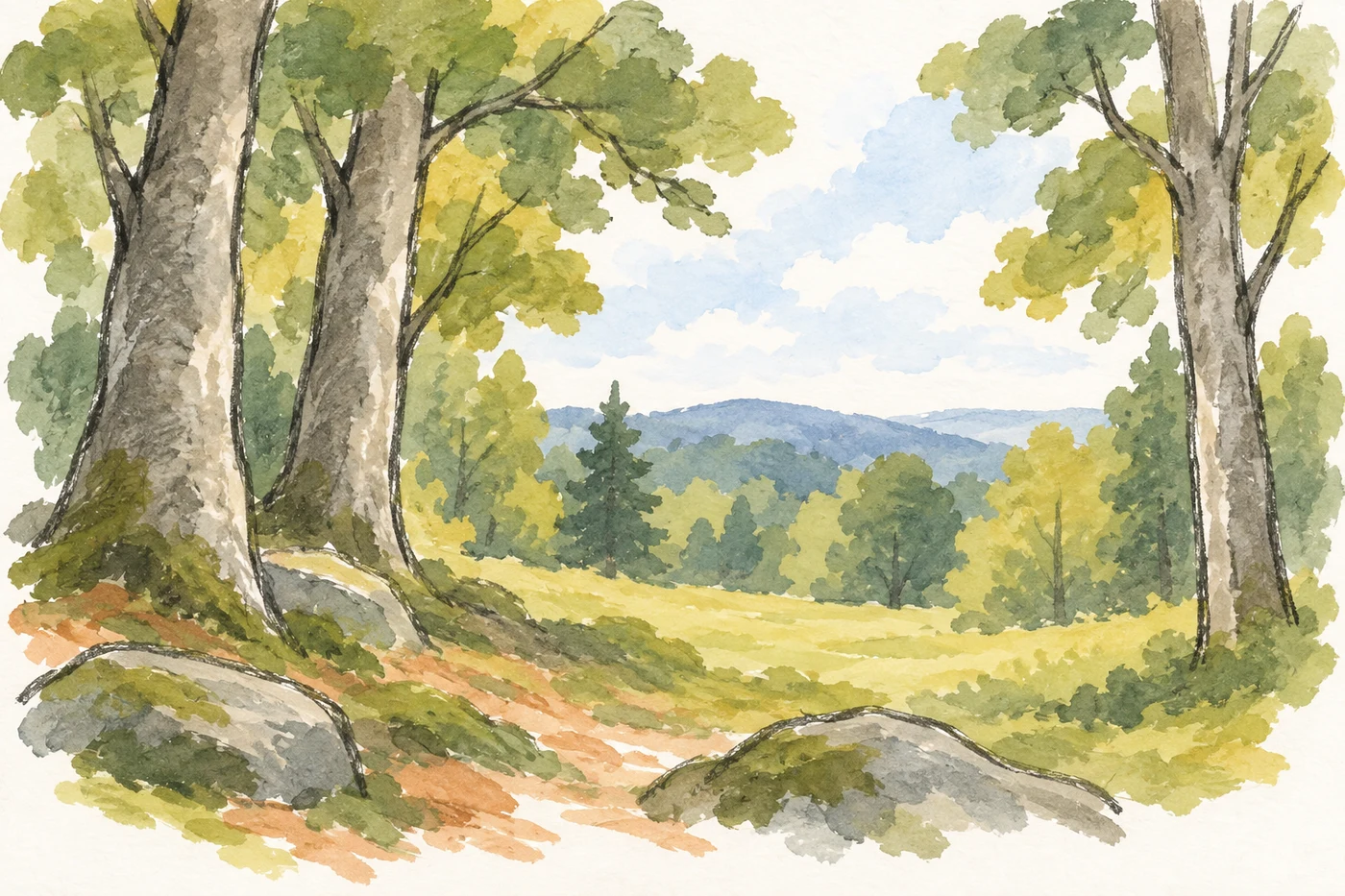
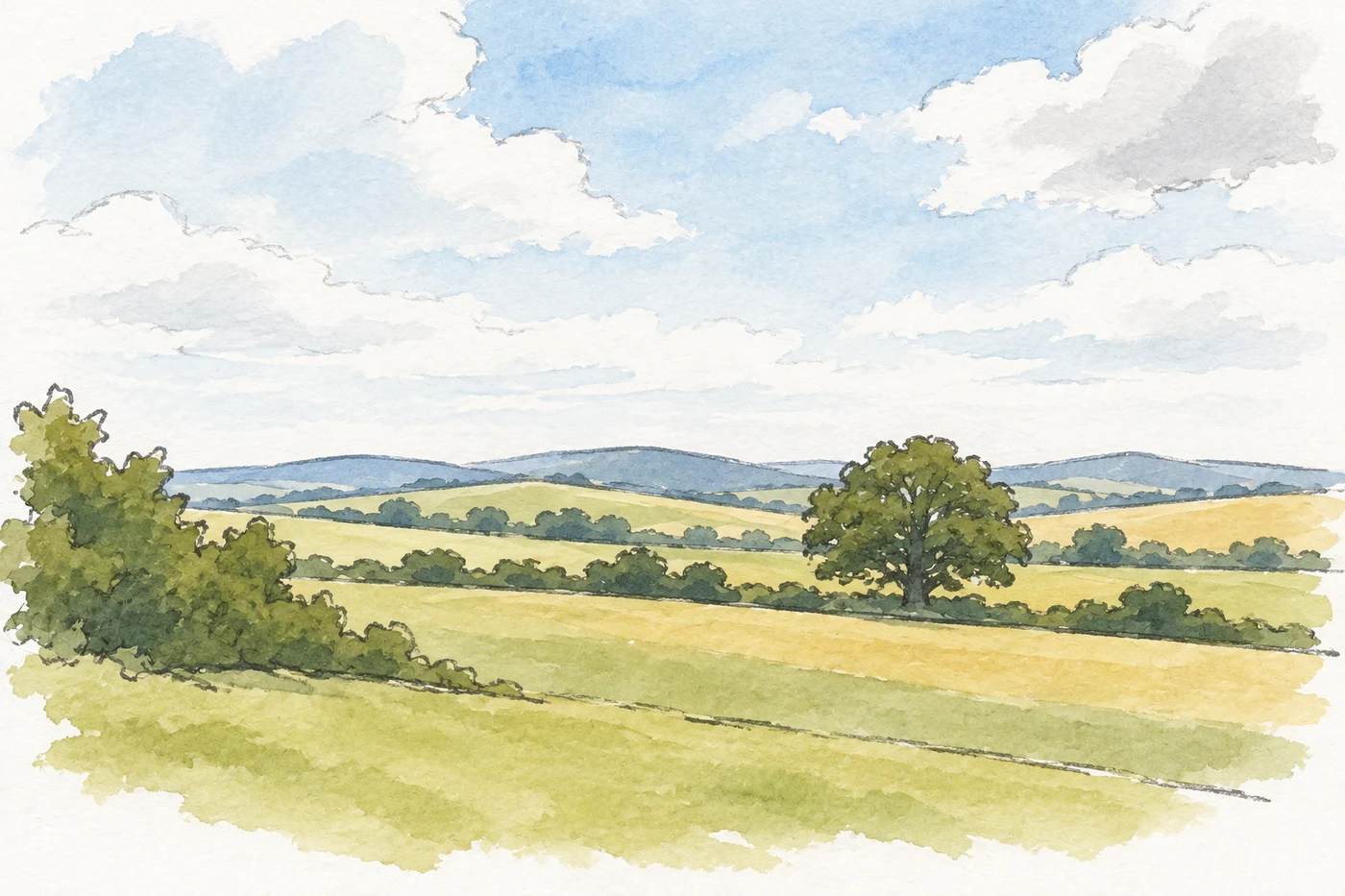
Mediterranean oak woodland, open pine forests and open country with rabbits. Large trees provide room for the nest.