Common Buzzard

Buteo buteo
Wingspan

110–140cm

Body length

45–60cm

Weight

450–1,200g

Profile

Life expectancy
Clutch size
2–3 eggs
Global status
Activity
Migration

Identification

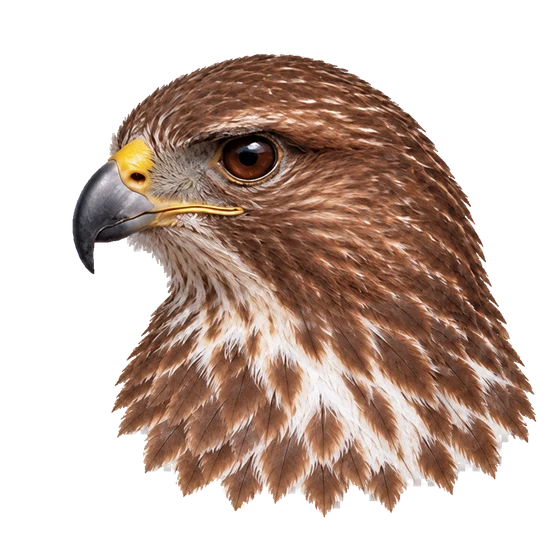
A compact body, broad wings and a short, fanned tail mark its flight silhouette. Plumage colour alone is not enough for identification: almost white, brown and very dark birds all belong to the same species.

Colours

Plumage
Eyes
Legs & feet

Adult · Intermediate

Brown plumage with pale, variably spotted areas on the breast and belly and barred flight feathers.

The transitions between pale, intermediate and dark Common Buzzards are continuous. The three views show examples of natural individual colour variation, not separate subspecies or fixed colour classes.

Behaviour

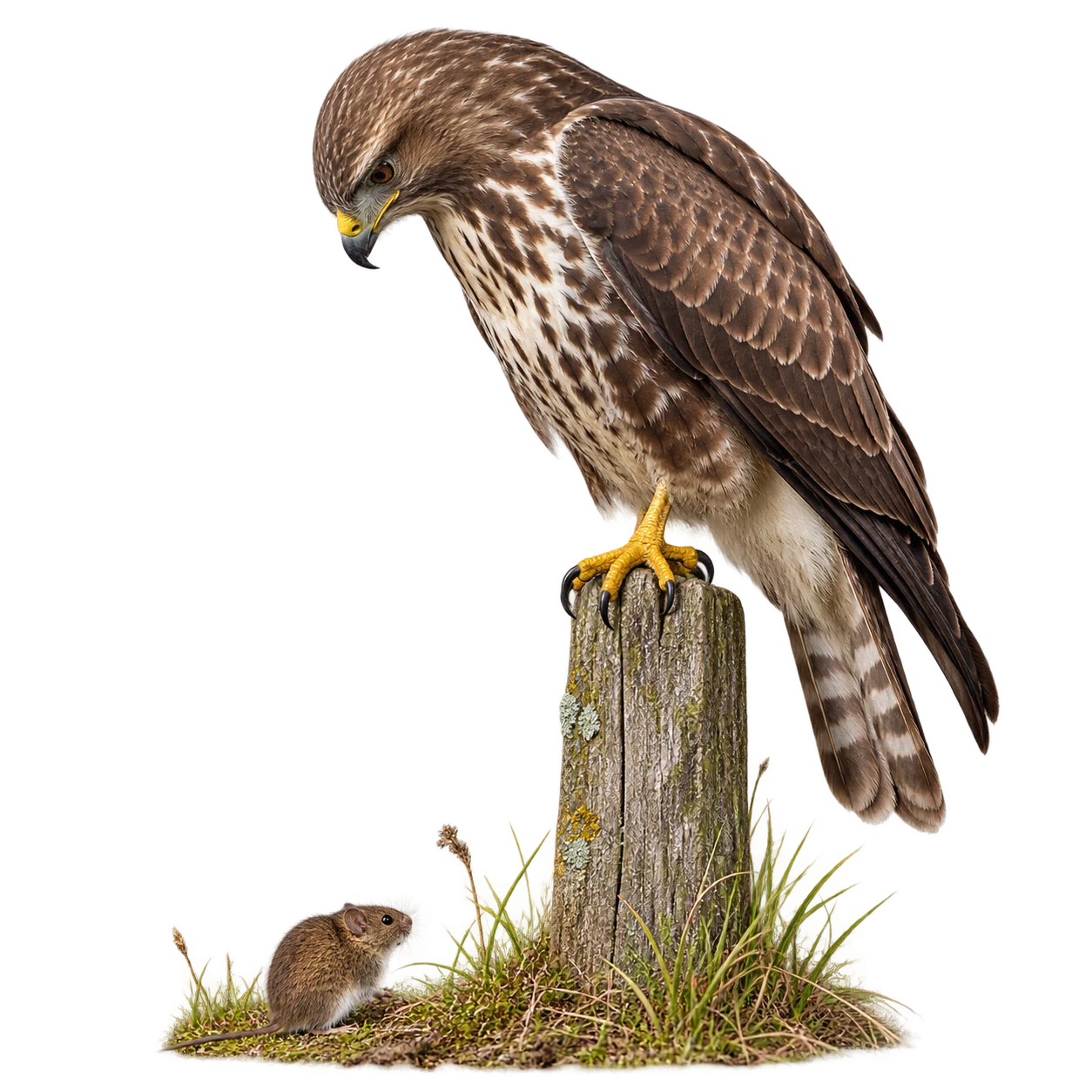
It often perches conspicuously on posts or circles over its territory. In spring, mewing calls accompany its display flights. It needs open areas for foraging, even if the nest site is in woodland.

Breeding & rearing

The pair builds its stick nest in tall trees such as oaks or pines, often at woodland edges. Suitable nests can be reused and repaired. Good access to prey nearby is crucial for raising the young.

Diet

Prey examples

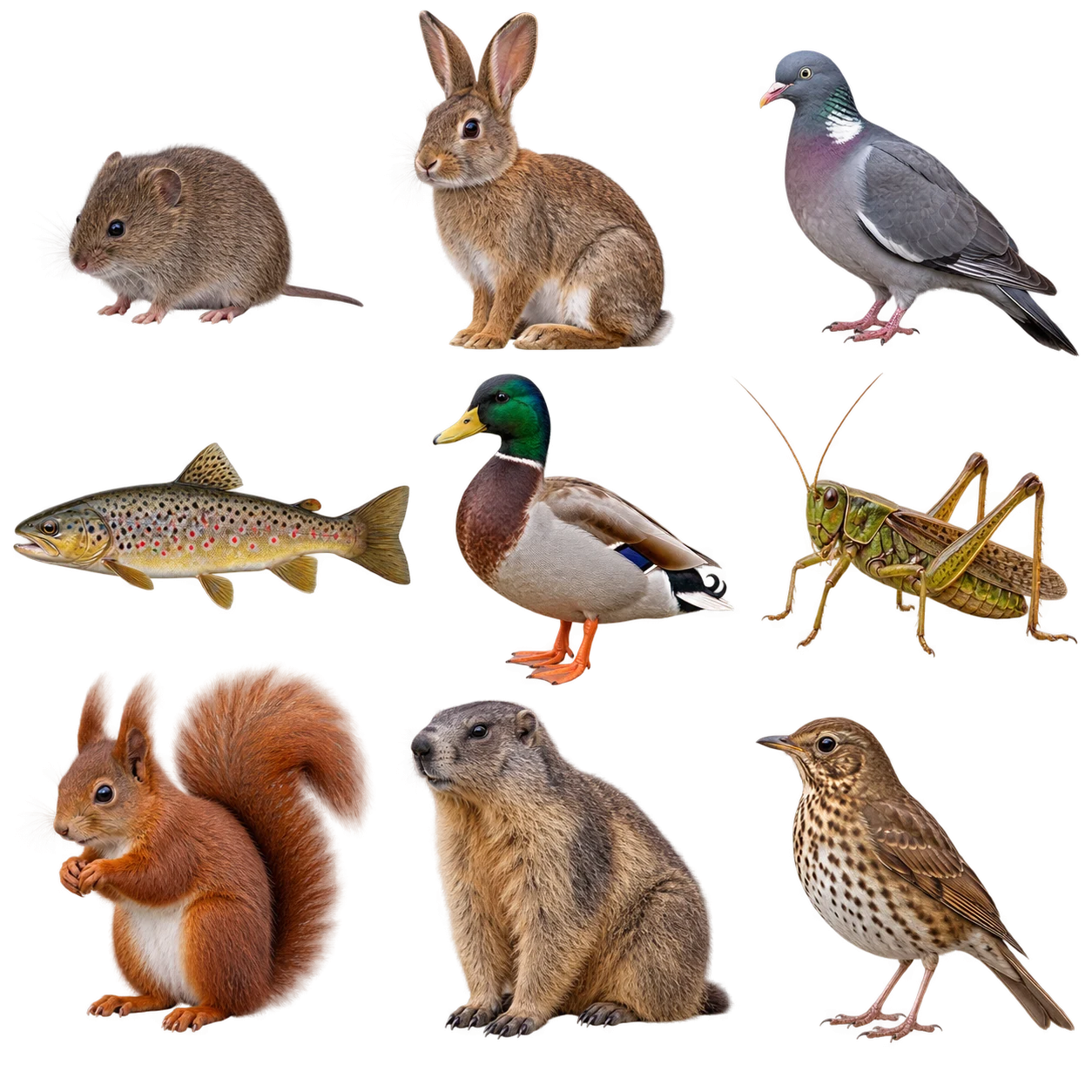
Voles
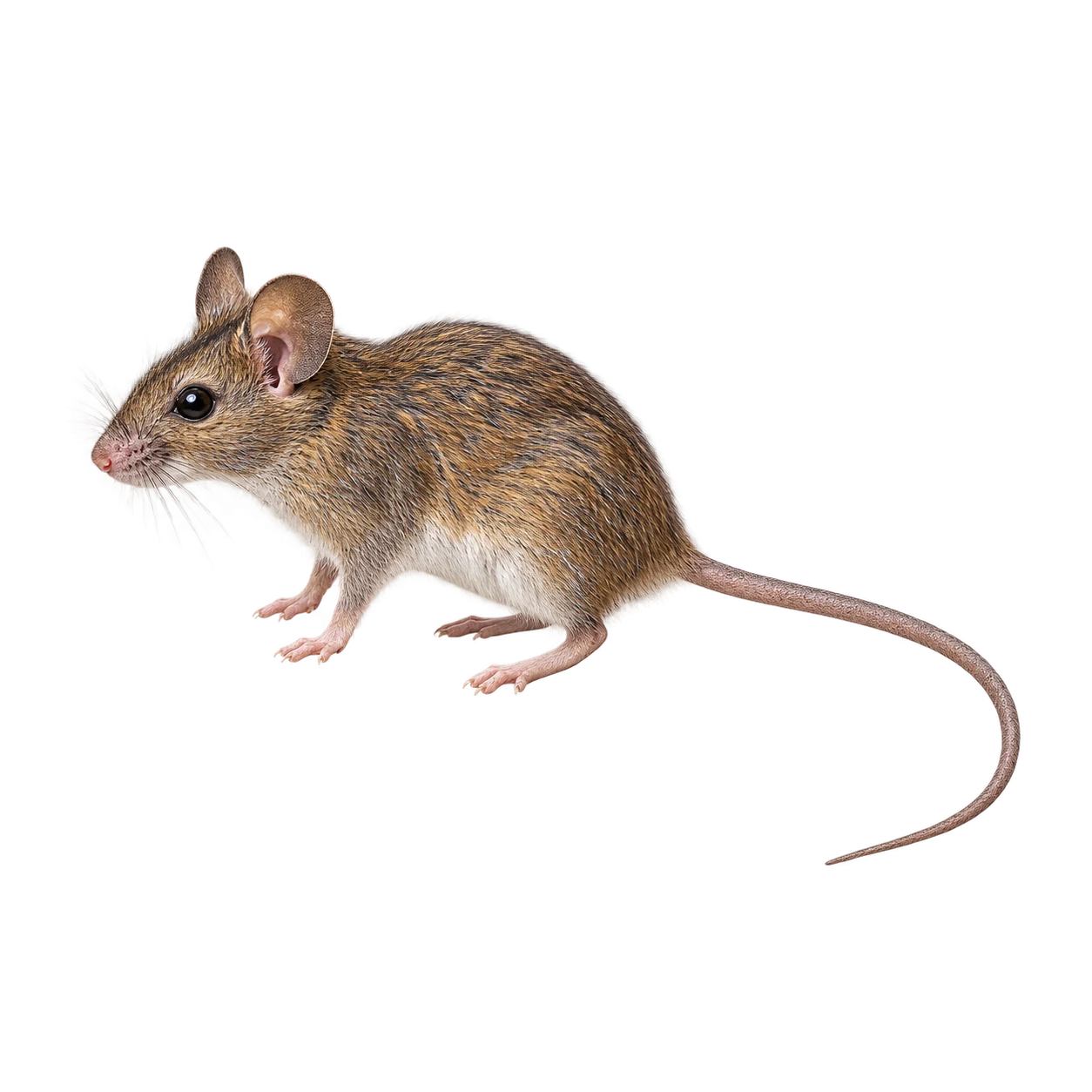
Mice

The Common Buzzard's most important prey is small mammals, especially voles. It also takes other small animals and eats carrion, mainly in winter.

Occasional
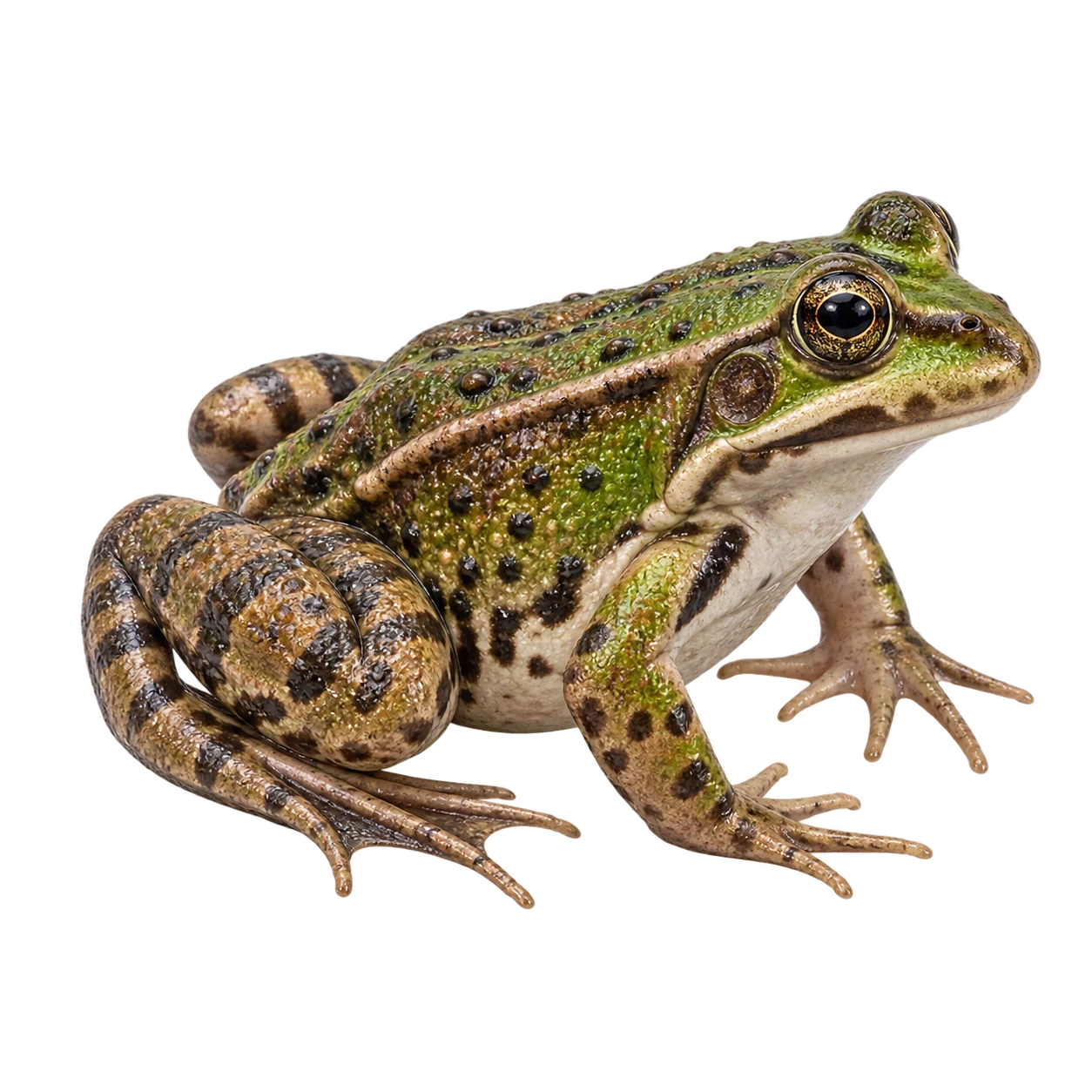
Frogs

Hunting

Common Buzzard: Perch hunting · Scavenging

A post or treetop gives it a good view over the hunting ground. As soon as a mouse appears, it swoops down to the ground.

Distribution

Range

Europe & Western Asia

Status in Germany

Habitat

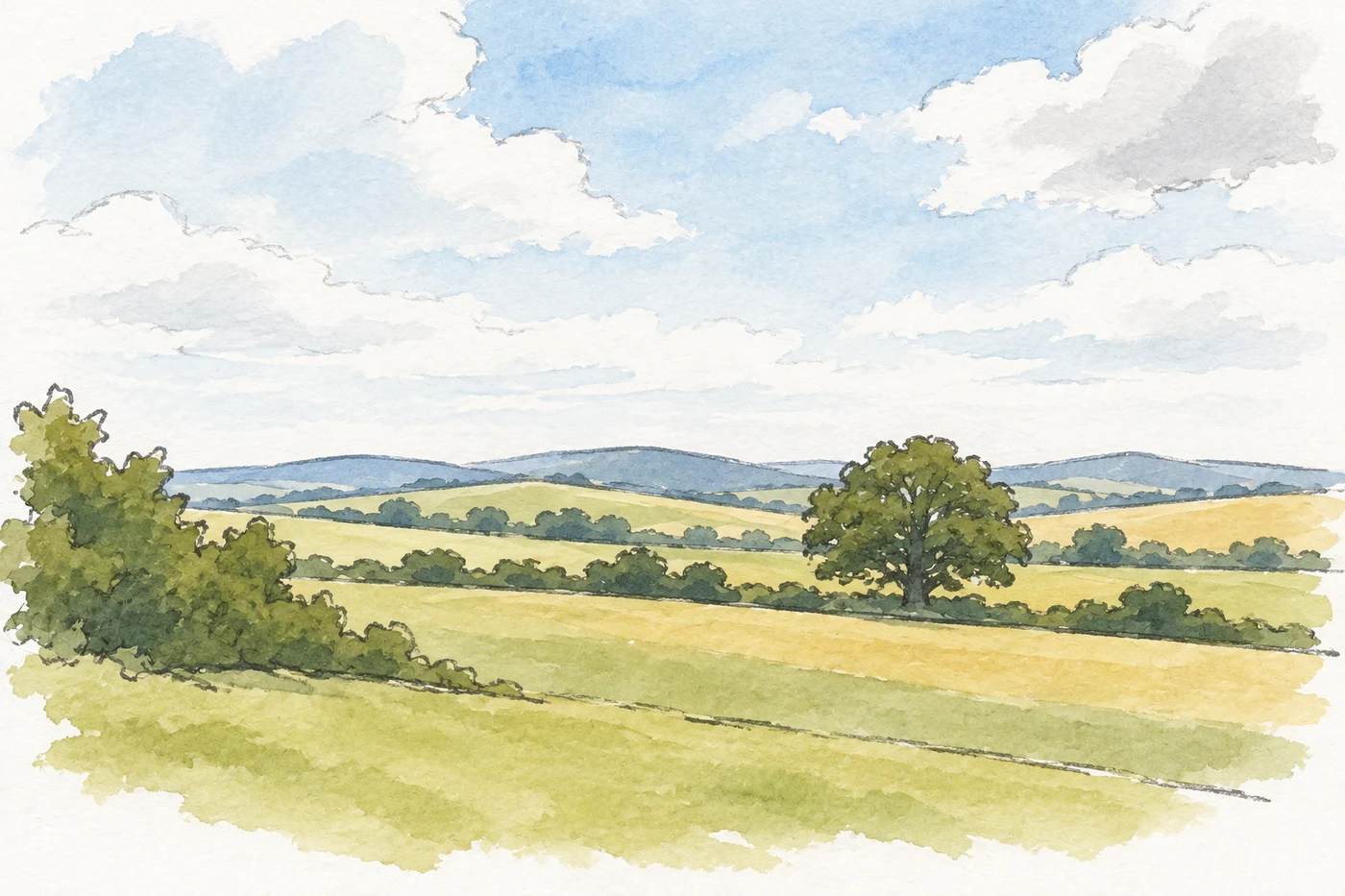
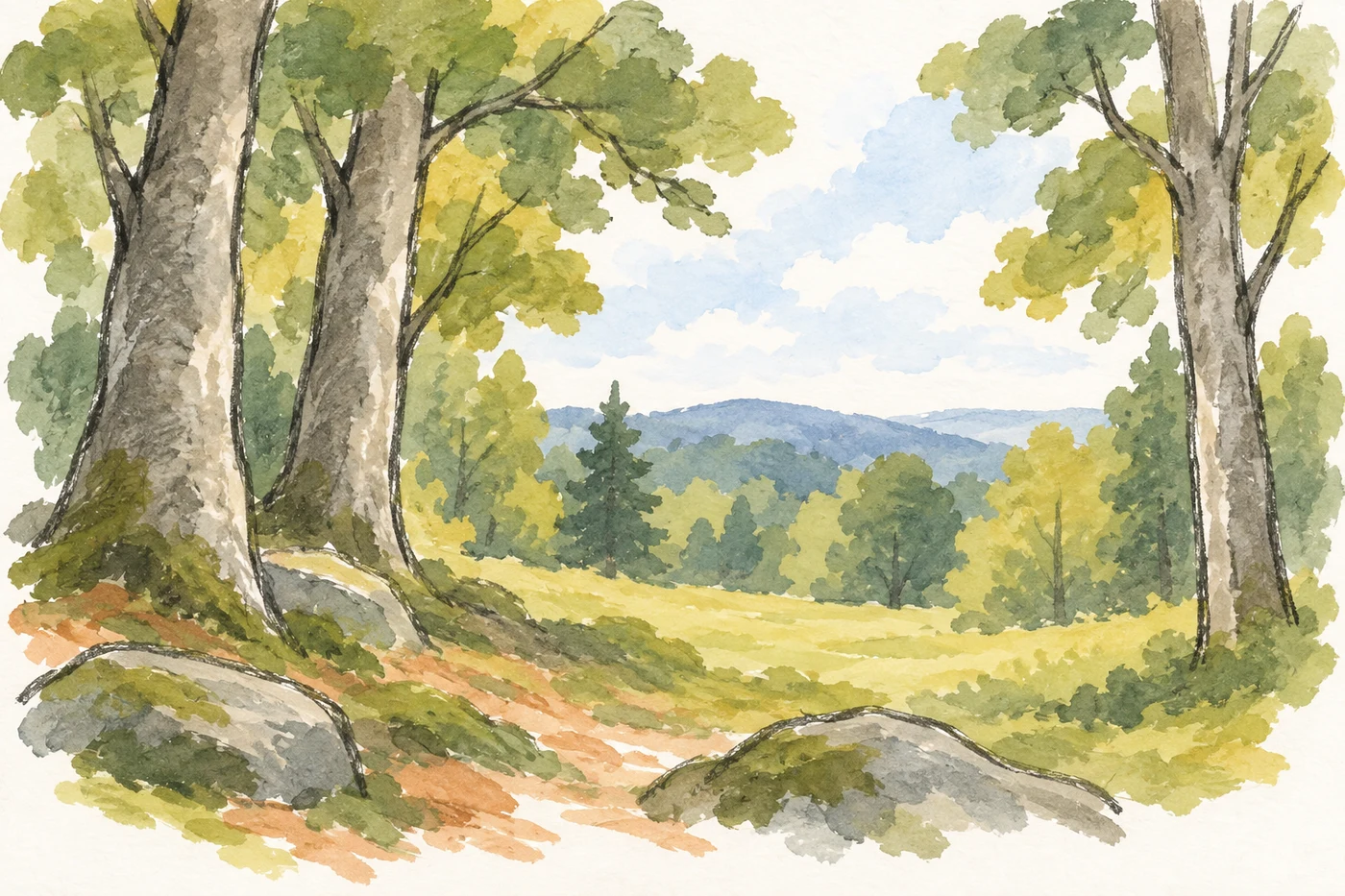
Meadows, pastures and fields close to woods or groups of trees. There it finds hunting grounds and nesting sites.
Common Buzzard