Golden Eagle
190–230cm
75–90cm
2,900–4,600g
Profile
- Life expectancy
- Clutch size
- Usually 2 eggs
- Global status
- Activity
- Migration
- Falconry
Identification
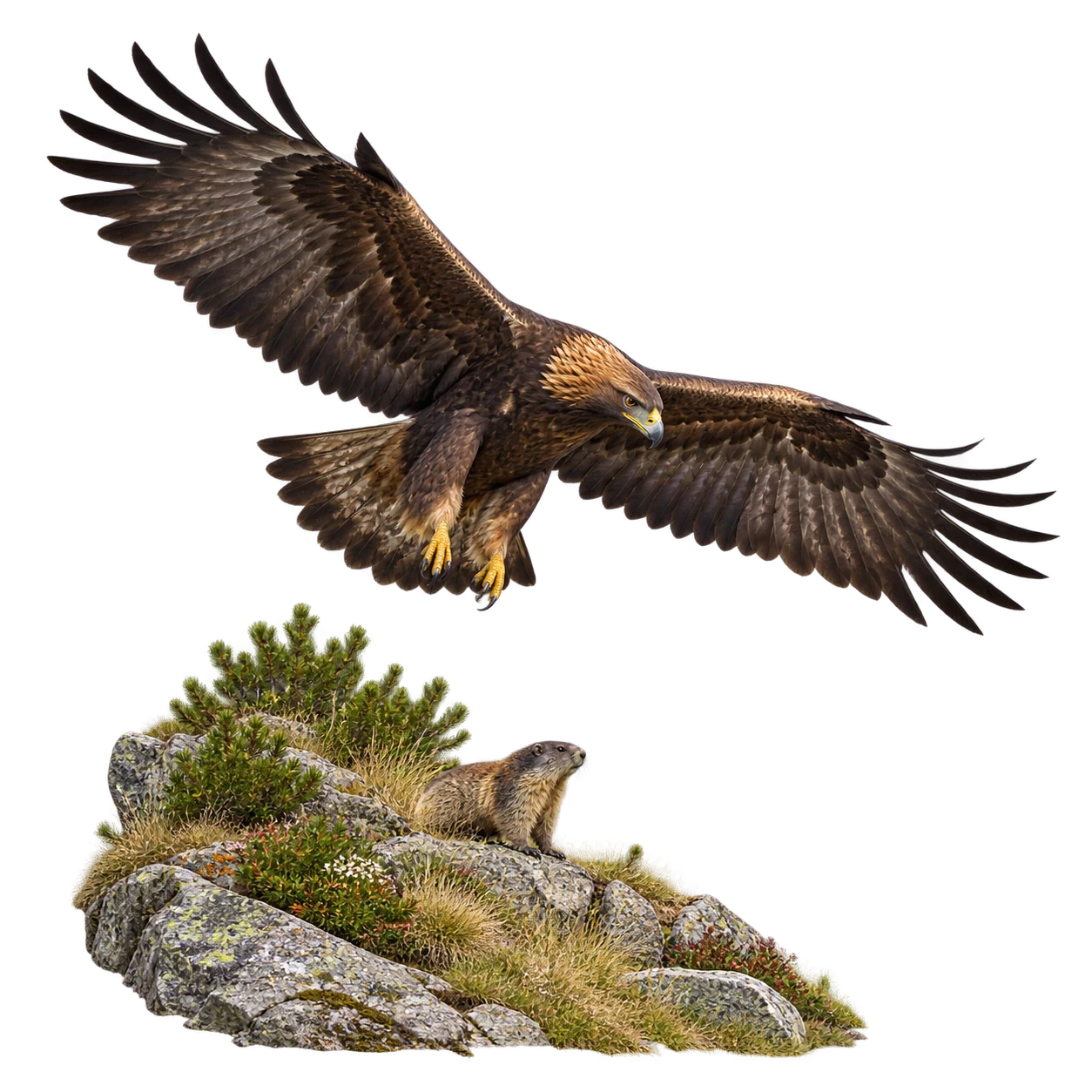
Broad, clearly fingered wings and a relatively long tail characterise this large eagle. Golden-brown nape feathers are visible at close range. Juveniles often show conspicuous white patches in the wings and tail.
Colours
Adult
Dark brown plumage with a golden-brown nape. The sexes differ mainly in size; females are usually more powerful.
Behaviour
Over its territory it uses updrafts for sustained soaring. In courtship, steep dives alternate with renewed climbs. Pairs can fly together and sometimes cooperate when hunting.
Breeding & rearing
Cliffs, locally also large trees, carry the bulky nests. A pair may use several nests in turn and add to them over the years. The young spend many weeks in the nest before their first flight.
Diet
Prey examples
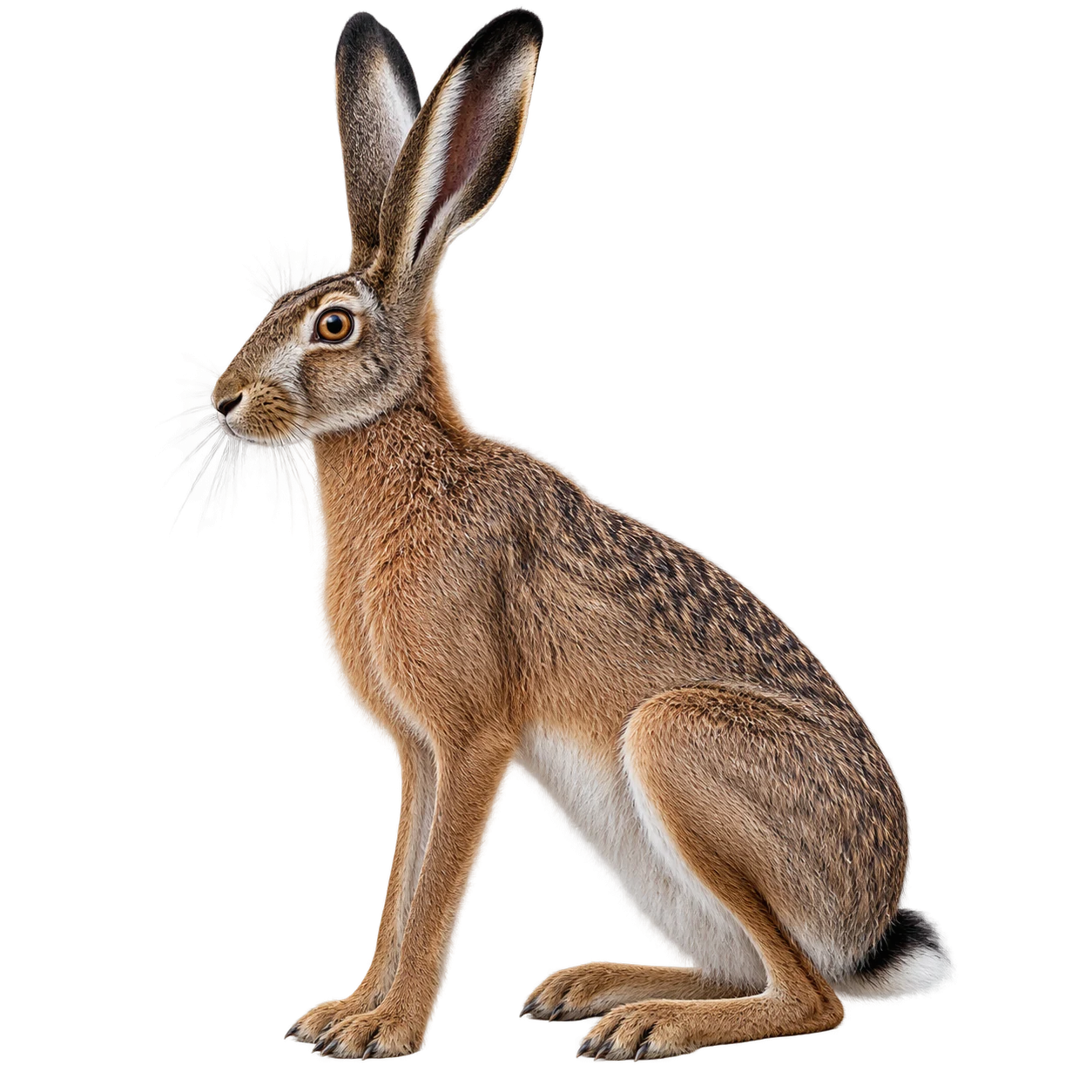
Hares
Marmots
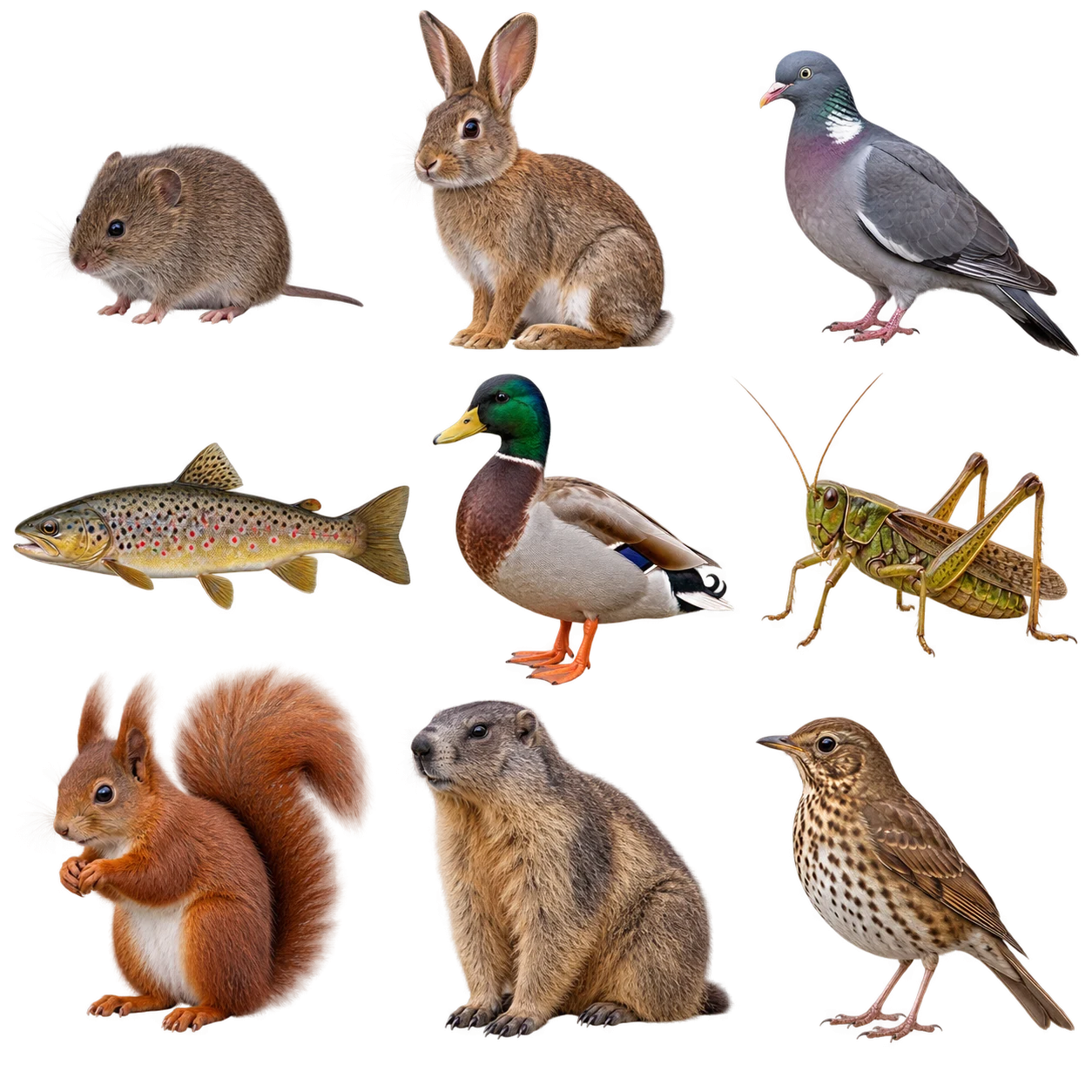
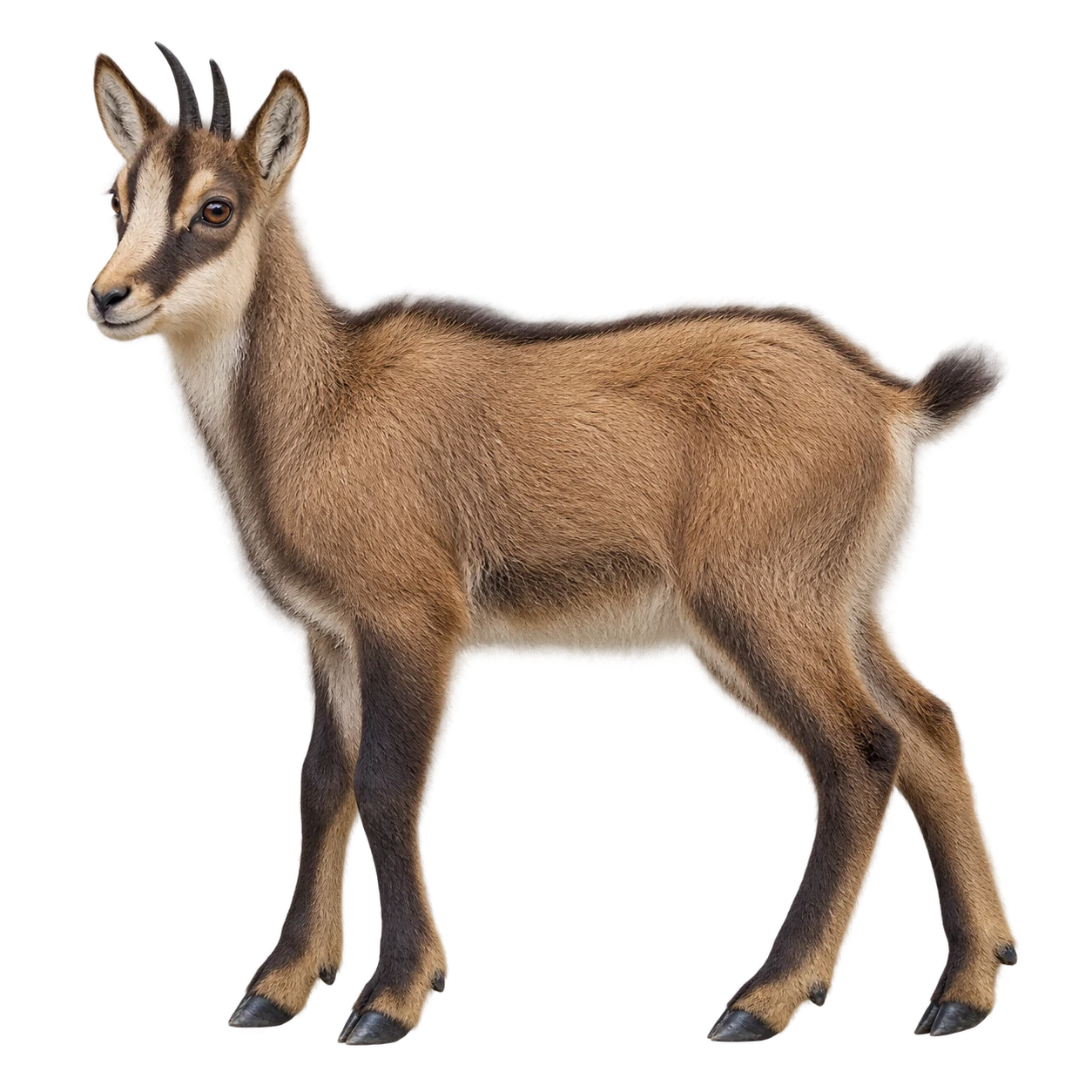
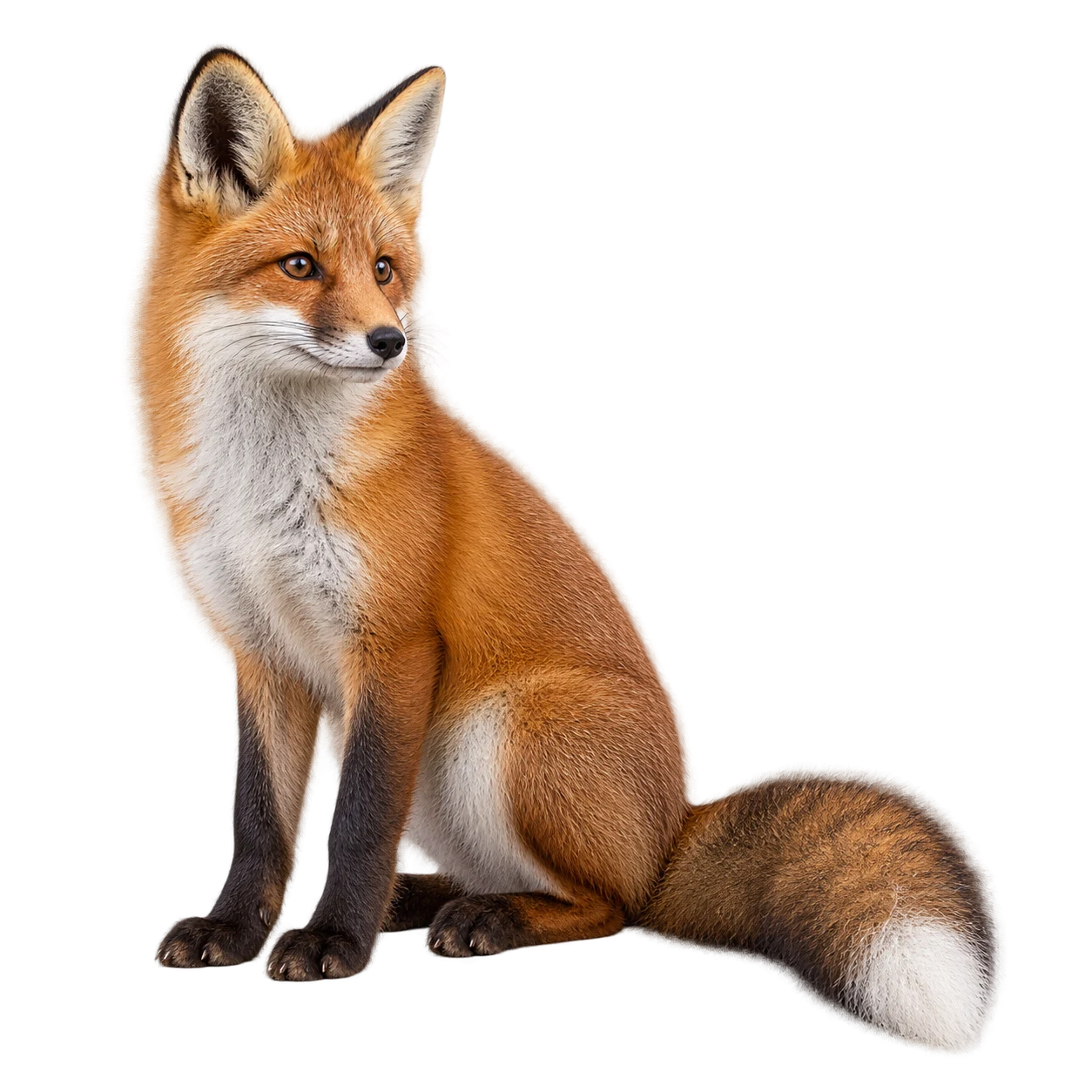
Chamois kidsregionalIt hunts mainly mammals such as hares and marmots, and regionally often chamois kids. Roe deer fawns, foxes and birds are also part of its prey spectrum; in winter carrion is important.
Occasional
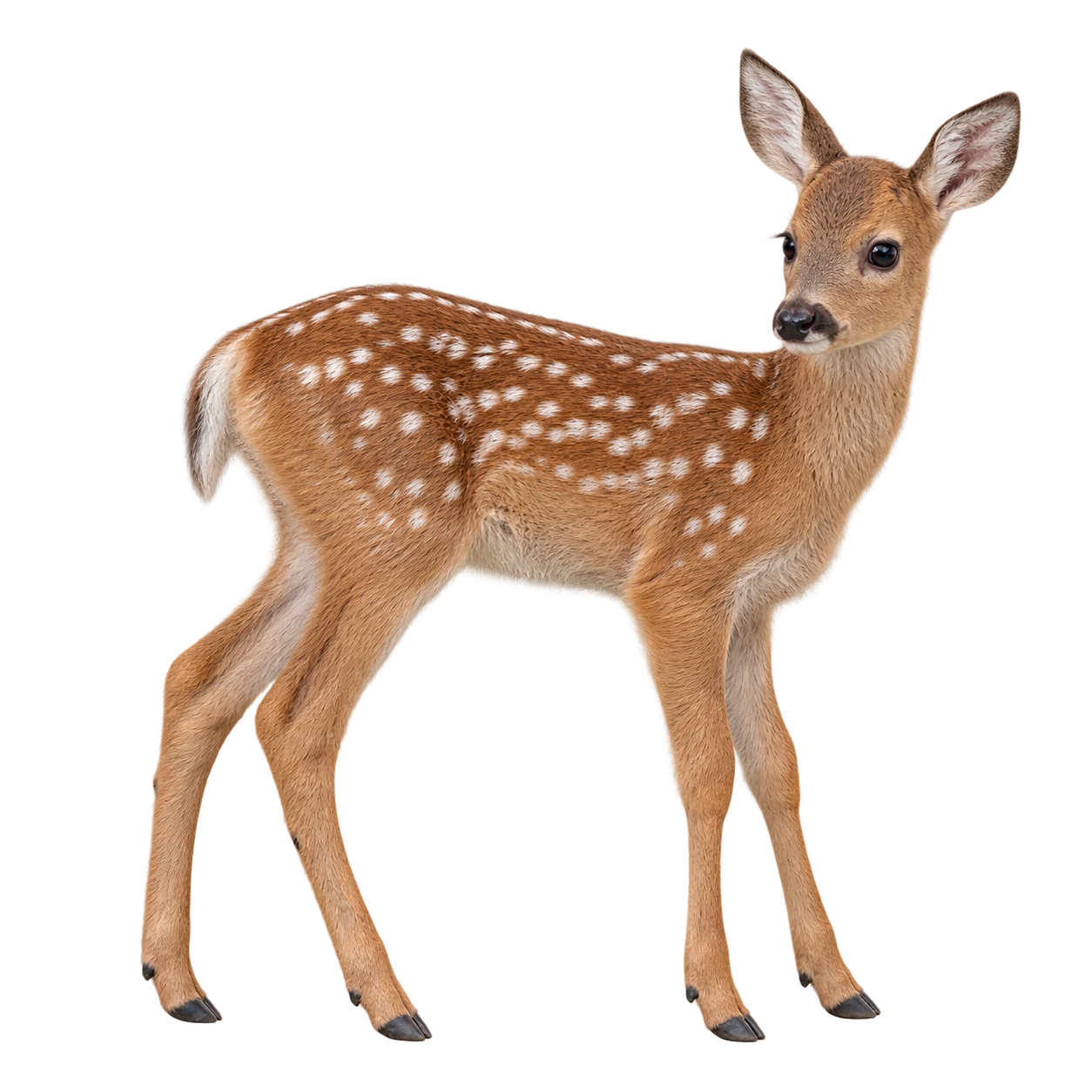
Roe deer fawns
FoxesHunting

In gliding flight it searches open slopes and ridges for prey. It usually strikes on the ground, often using the cover of the terrain.
Distribution
Habitat
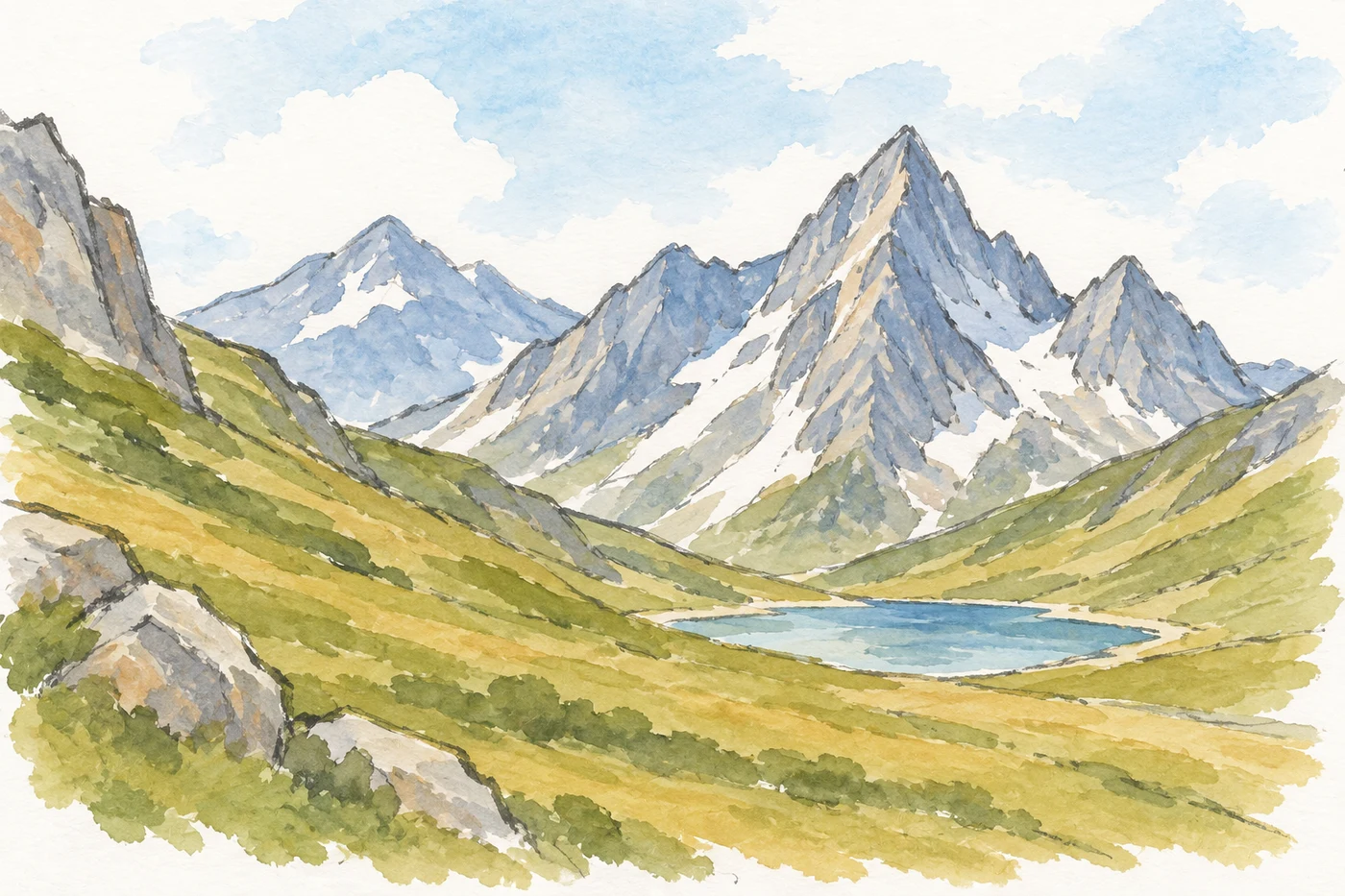
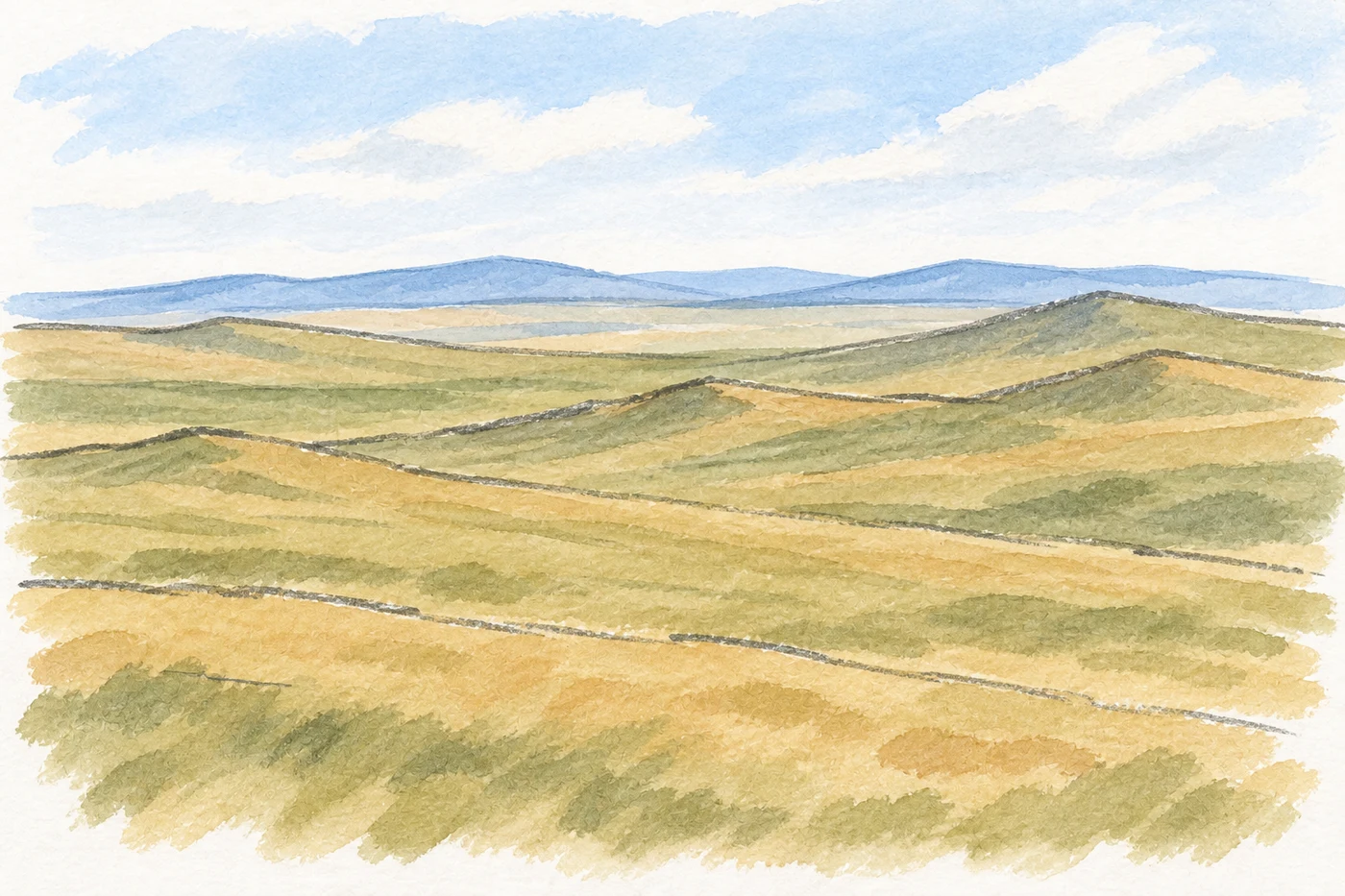
Open mountain landscapes and rocky regions. In Germany mainly in the Alps.