Eastern Imperial Eagle
180–220cm
70–85cm
2,400–2,800g
Profile
- Life expectancy
- Clutch size
- 2–3 eggs
- Global status
- Activity
- Migration
Identification
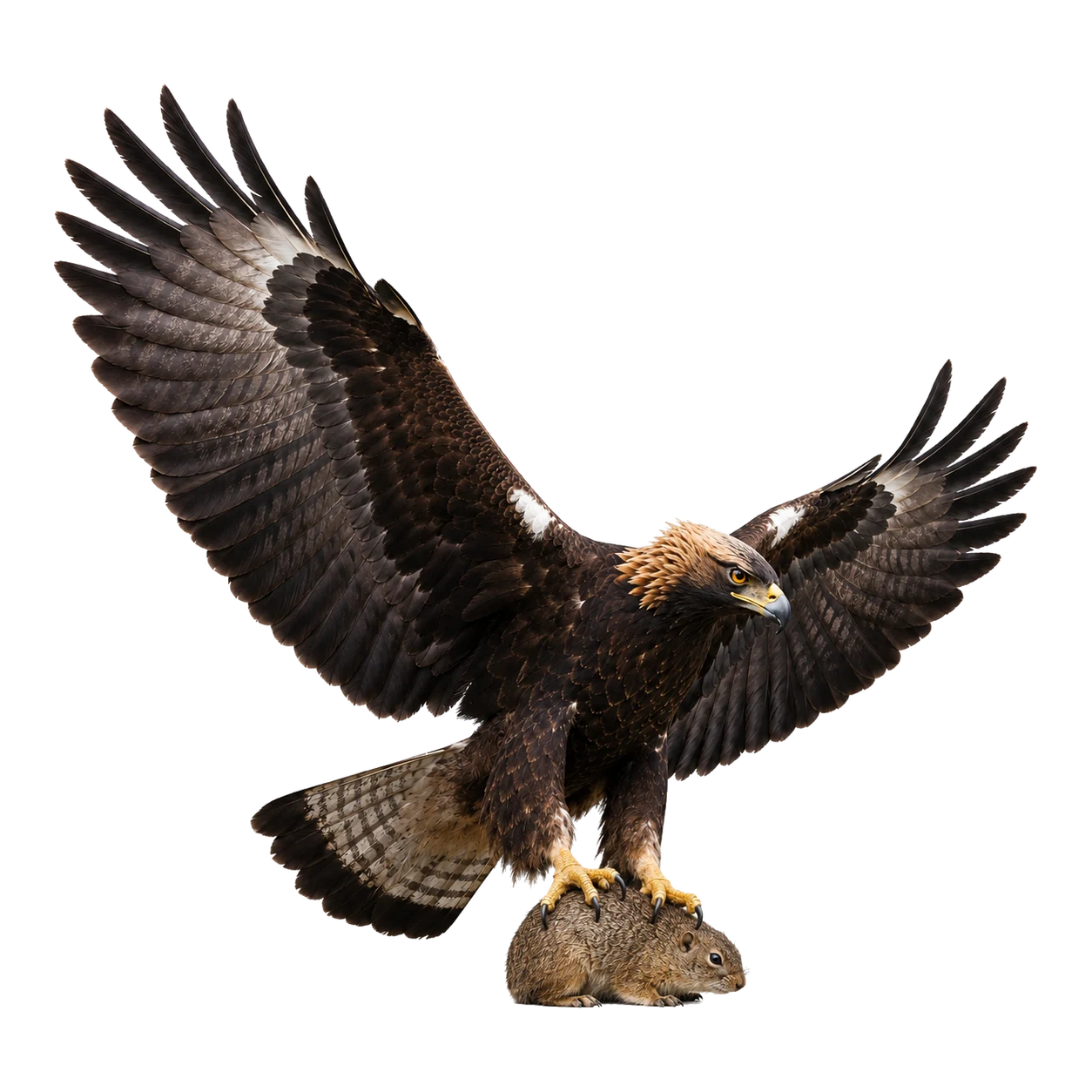
A large, dark eagle with long, straight wings that it holds flat when soaring. The adult’s golden nape and white shoulder spots are visible from a distance. Juveniles are pale sandy with dark-streaked underparts.
Colours
Adult
Very dark, almost blackish-brown plumage with a golden crown and nape. White patches stand out on the shoulders; the tail is grey at the base with a broad dark terminal band.
Behaviour
Eastern Imperial Eagles live in permanent pairs and defend extensive territories. North-eastern populations migrate in winter as far as the Middle East, Africa and South Asia; pairs in Central Europe usually stay in the breeding area all year.
Breeding & rearing
The large nest sits exposed in tall trees, in steppes also on power pylons. The young fledge after about two months and stay near their parents for weeks.
Diet
Prey examples
Ground squirrels
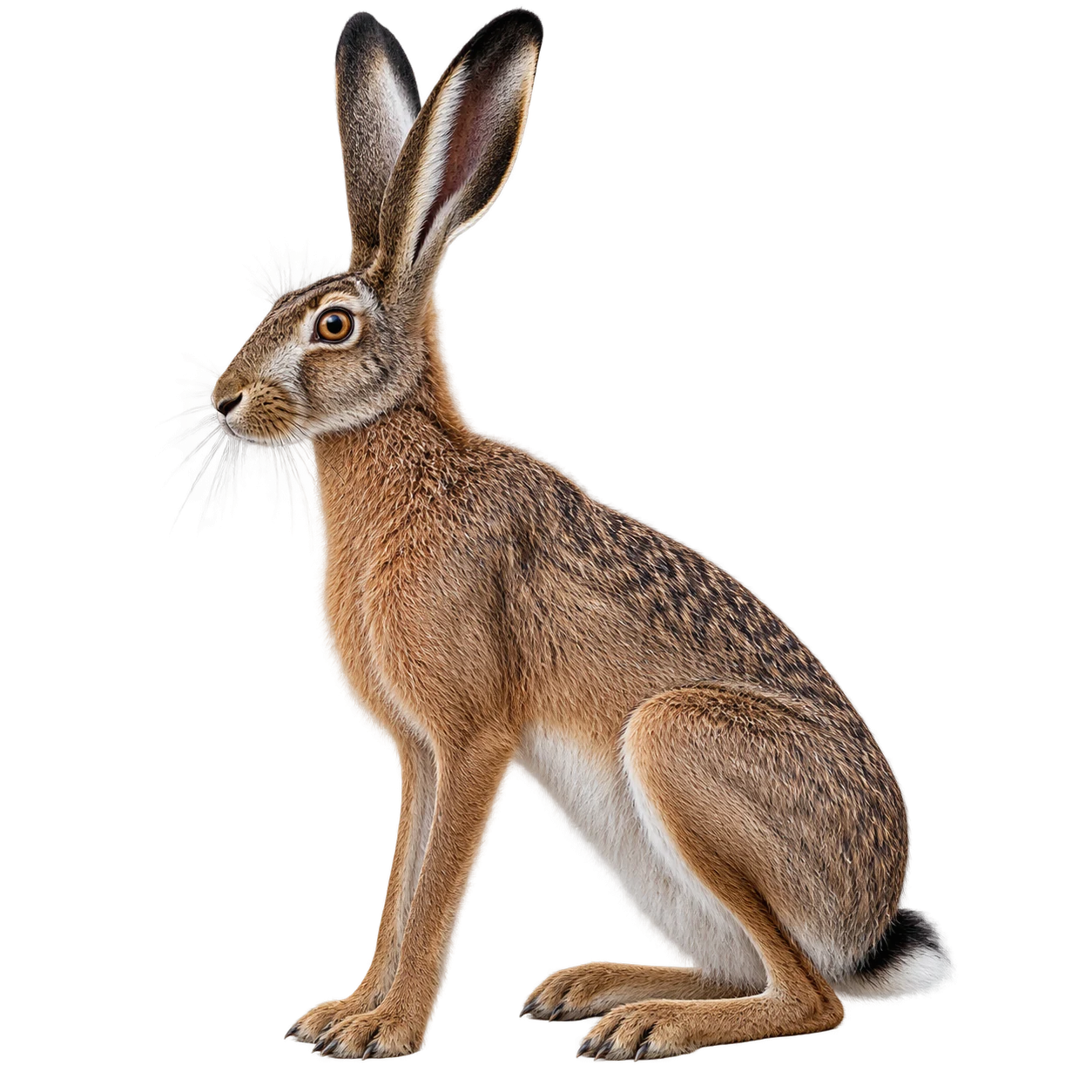
HaresSmall to medium-sized mammals of open country make up the main diet, especially ground squirrels, hamsters, hares and hedgehogs. Birds up to the size of a pheasant are added; carrion is taken especially in winter.
Occasional
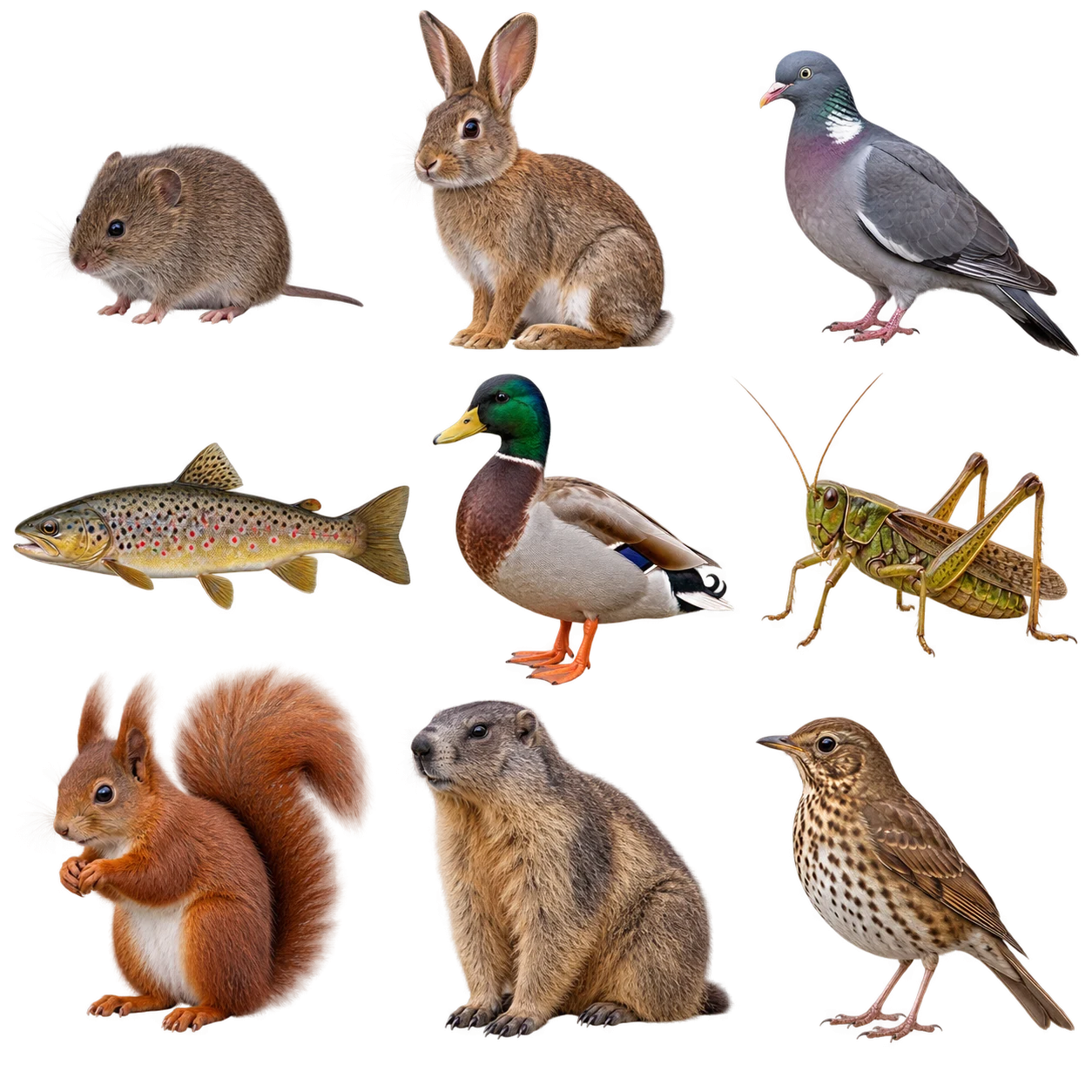
PigeonsHunting

The imperial eagle watches ground-squirrel colonies and field edges from a high lookout or glides low over the steppe. It seizes prey spotted on the ground in a short, low attack with talons outstretched.
Distribution
Range
South-eastern Europe to Central Asia
Status in Germany
Habitat
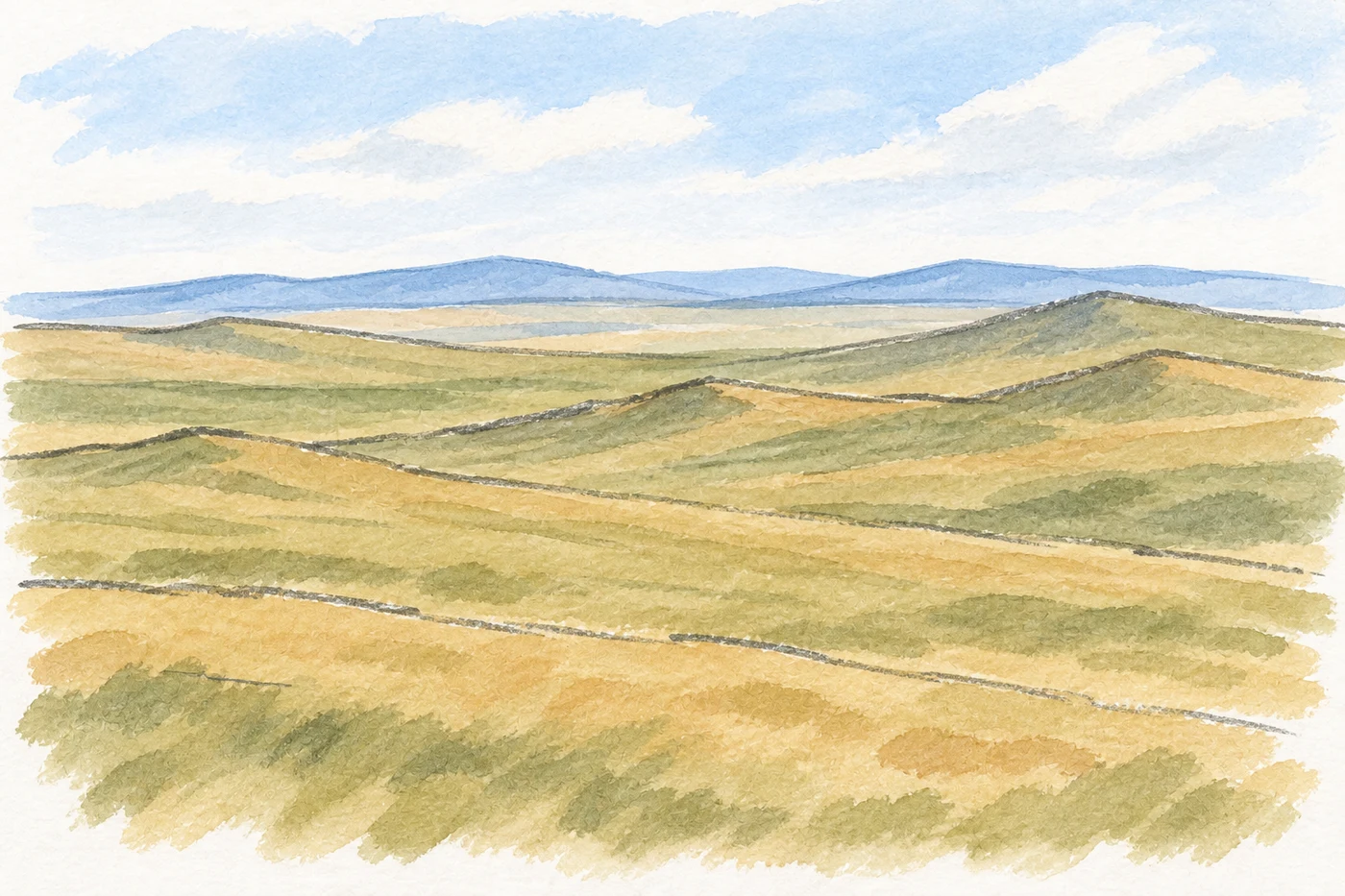
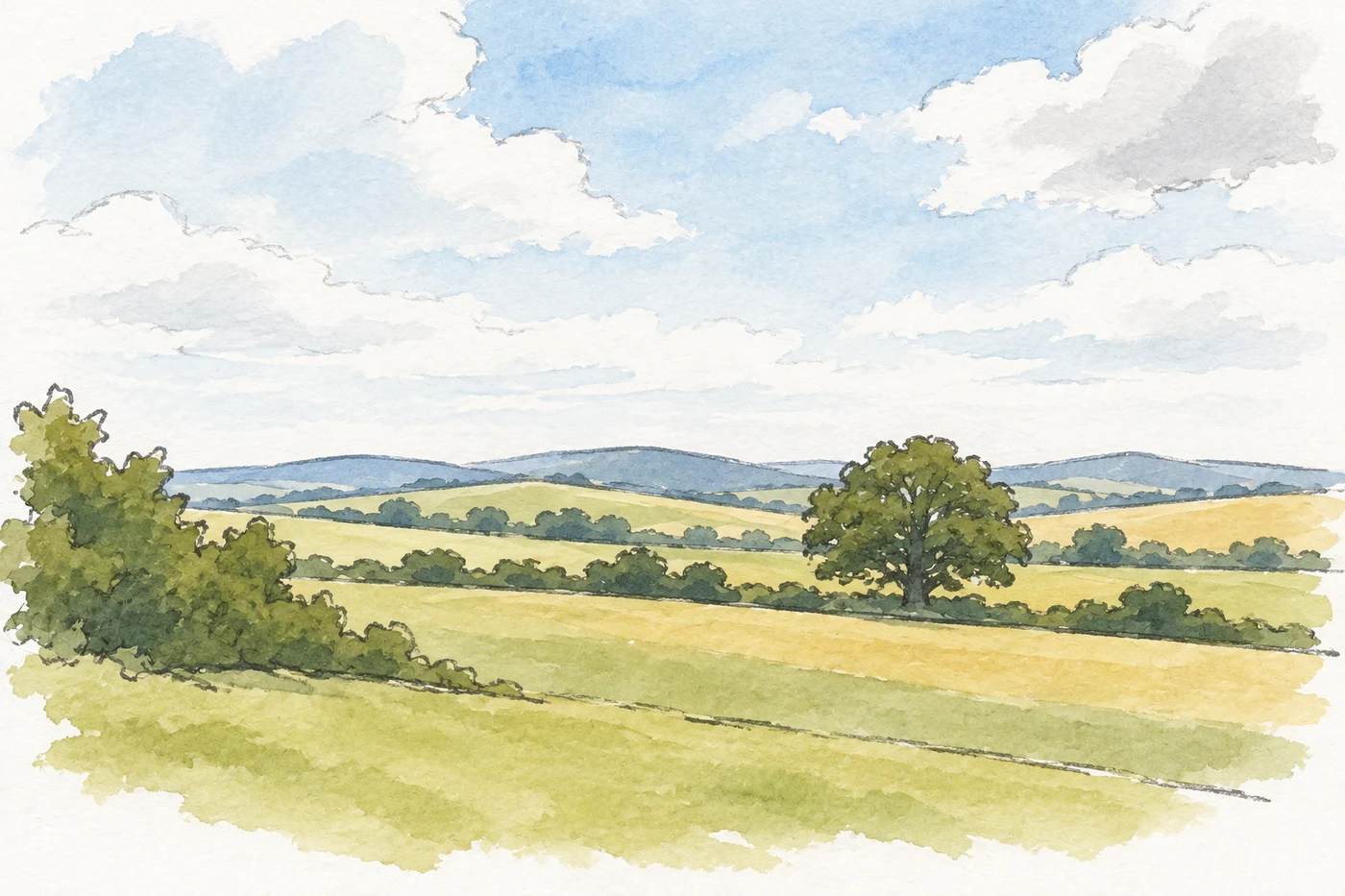
Open steppes, farmland with copses, and open riverine and lowland forests. For breeding it needs tall, free-standing trees with a wide view over its hunting grounds.