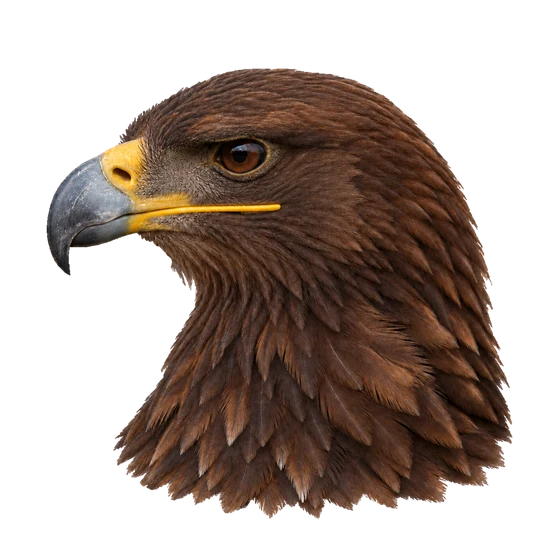
Steppe Eagle
Wingspan
170–200cm
Body length
60–80cm
Weight
2,000–3,000g
Profile
Diet
Prey examples
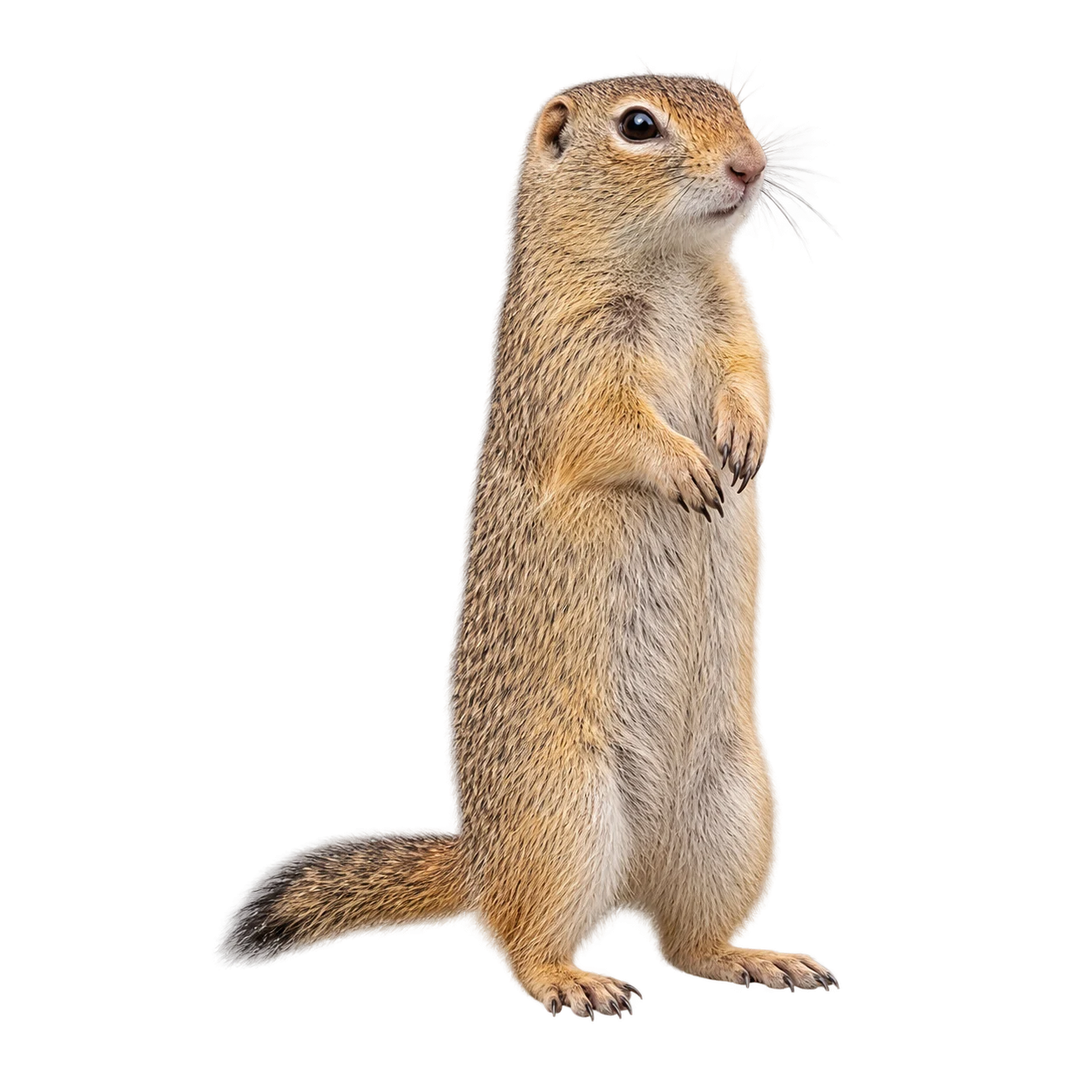 Ground squirrels
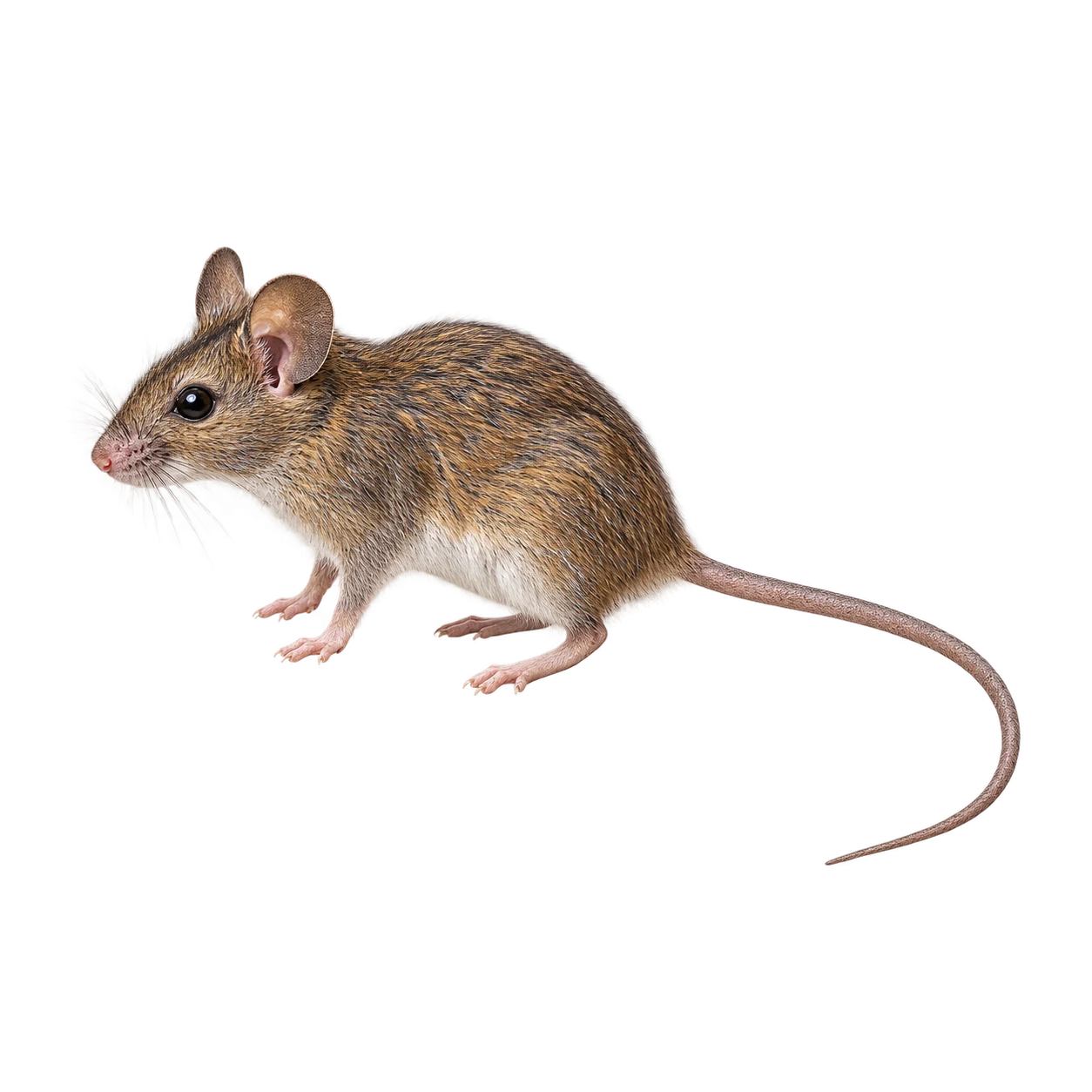 Mice
MiceOn its breeding grounds it lives mainly on ground squirrels, gerbils and pikas. On migration and in its winter quarters it takes large numbers of grasshoppers and termites as well as carrion; occasionally it kills birds.
Occasional
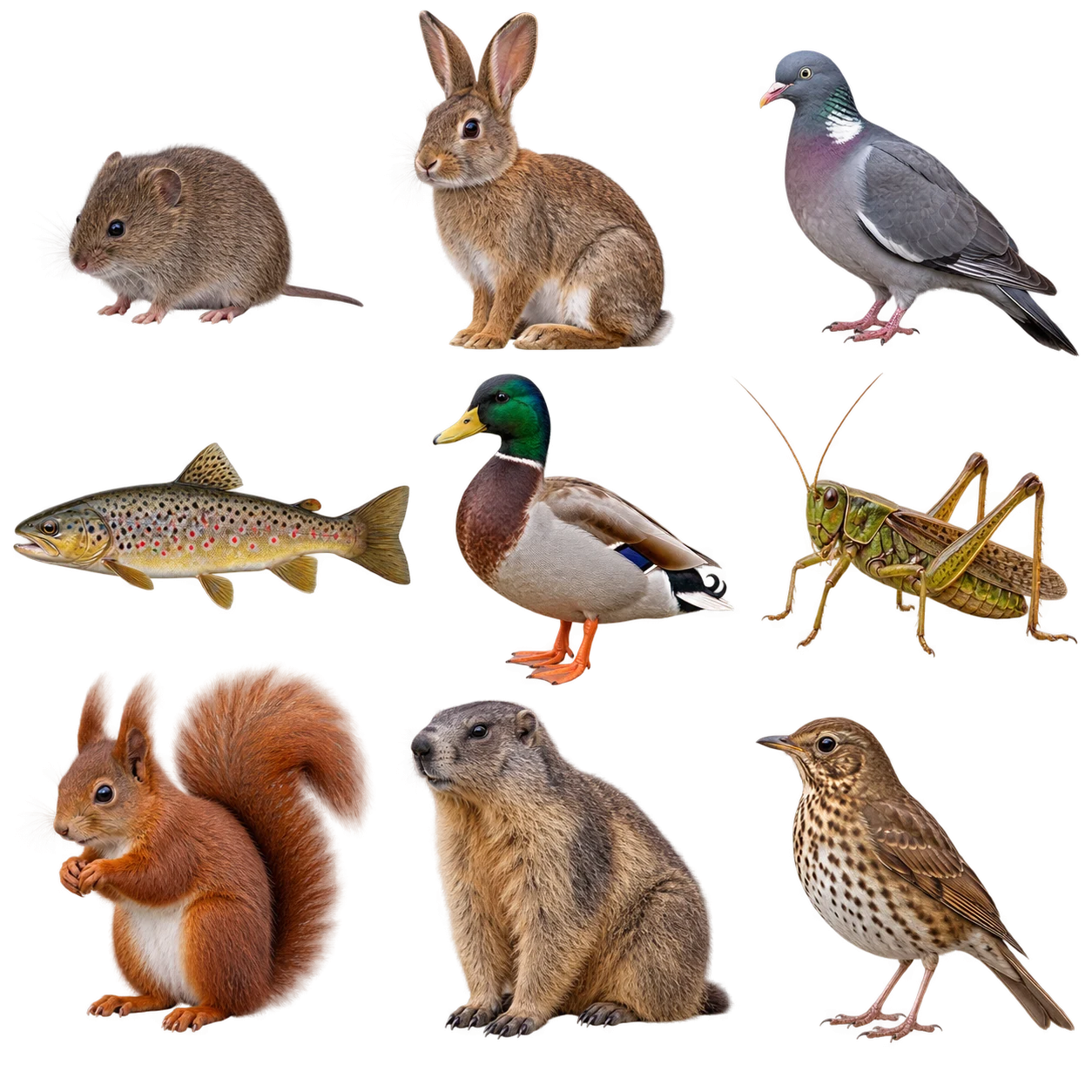 Grasshoppers
Hunting
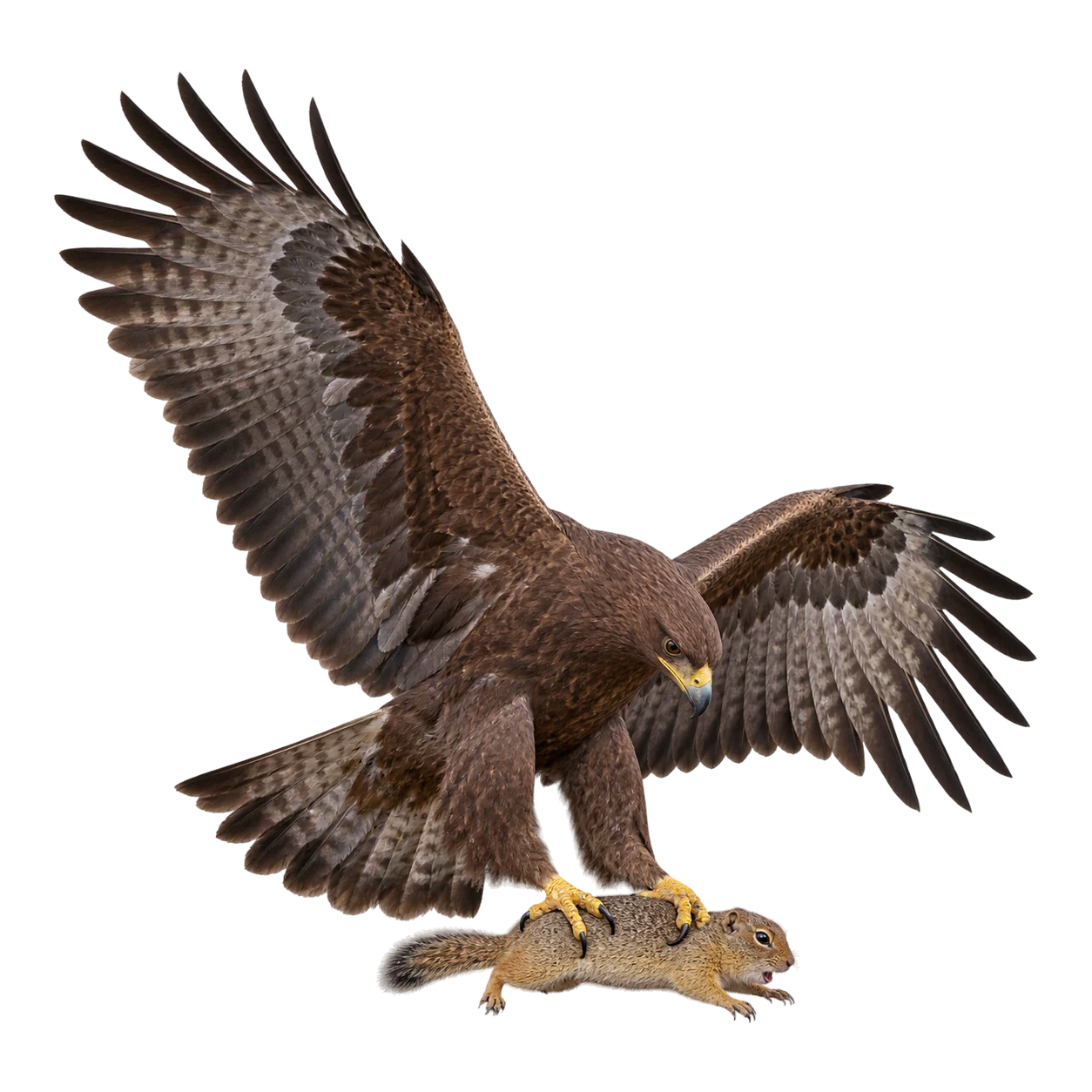
The steppe eagle often waits patiently on the ground or on a low perch next to a ground-squirrel burrow and grabs the animal as it emerges. It also scans the steppe in gliding flight and exploits locust swarms and carrion.
Distribution
Range
Central Asia; in winter Africa & South Asia
Status in Germany
Habitat
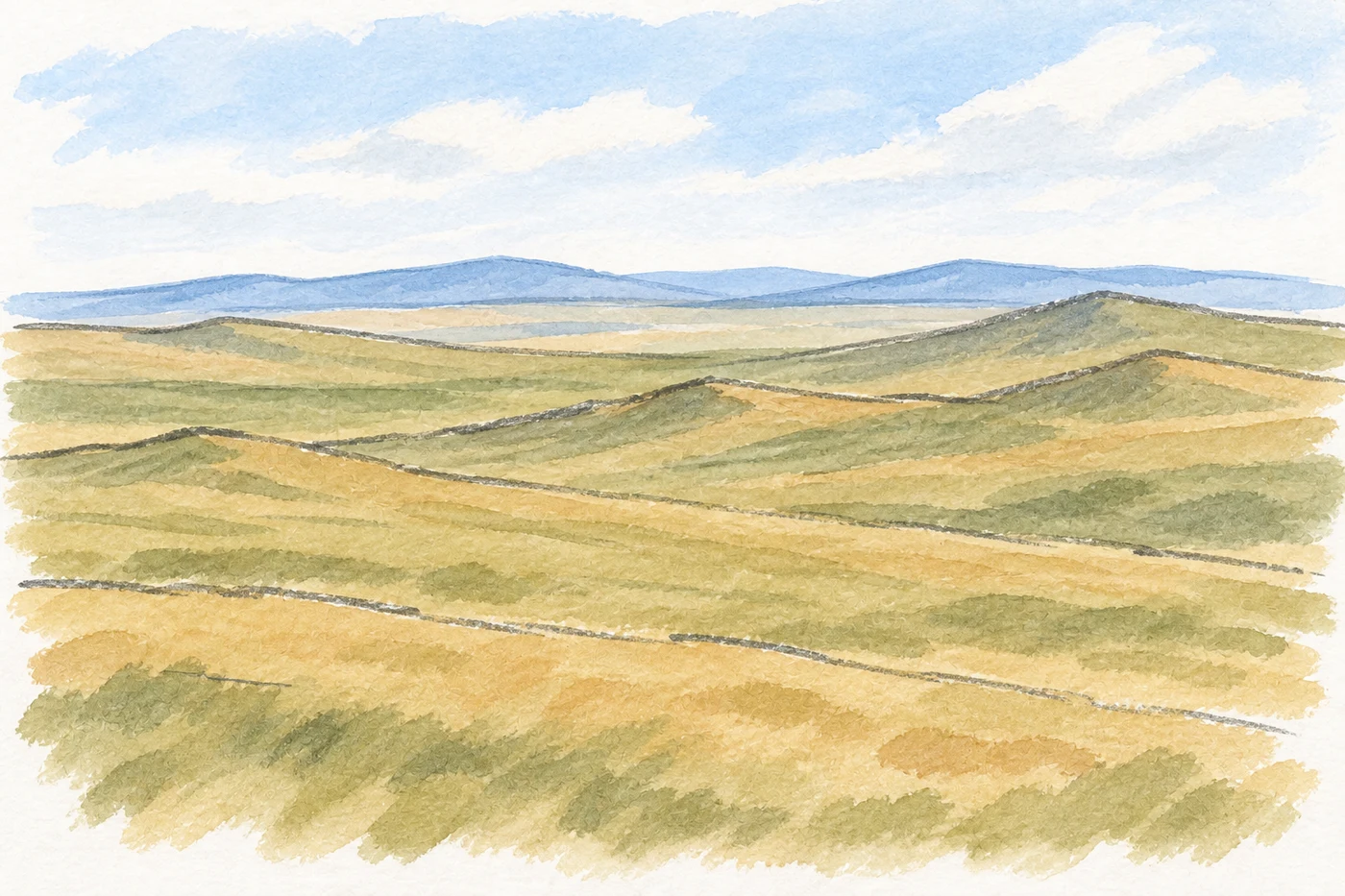
Vast steppes, semi-deserts and grassland with ground-squirrel colonies; in its winter quarters also savannahs and farmland. It often nests on the ground or on low bushes, rocks and pylons.