Eurasian Goshawk

Astur gentilis
Wingspan

100–115cm

Body length

50–60cm

Weight

650–1,100g

Profile

Life expectancy
Clutch size
3–4 eggs
Global status
Activity
Migration
Falconry

Identification

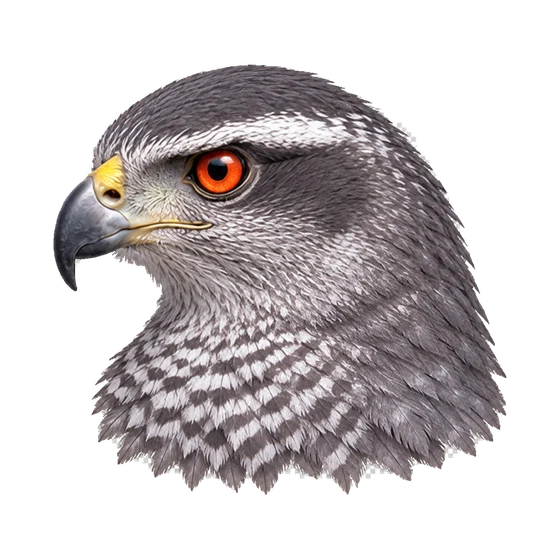
Relatively short, broad wings and a long tail help it manoeuvre between trees. The pale supercilium is striking. Compared with the Eurasian Sparrowhawk, the goshawk is more powerfully built; females are clearly larger than males.

Colours

Plumage
Eyes
Legs & feet

Adult · Normal

Grey head with pale supercilium; pale underparts with dense dark barring.

Isabelline goshawks are a very rare beige colour aberration, known mainly from Central and Eastern Europe. The white morph belongs to the north-east Asian subspecies albidus, which also includes pale grey birds. The two plumage types are not sex variants.

Behaviour

The goshawk often lives inconspicuously in cover. During courtship in late winter it becomes more visible with conspicuous flight displays. Established pairs are faithful to their territory and can use it for many years.

Breeding & rearing

The nest is usually in a high fork of a tree. At about six weeks the young can fly, but they are fed for some time before leaving the parental territory.

Diet

Prey examples

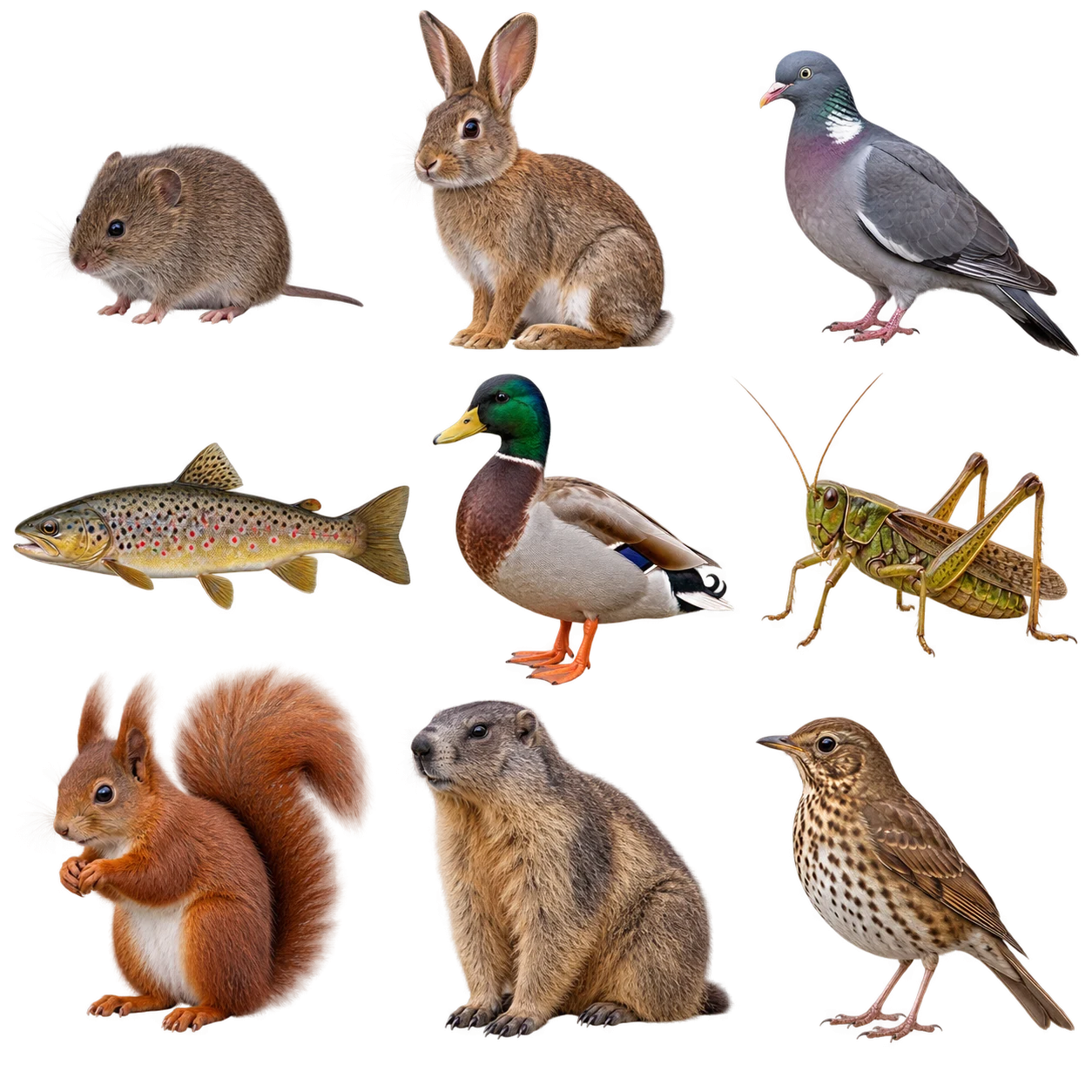
Pigeons
Songbirds
Rabbits
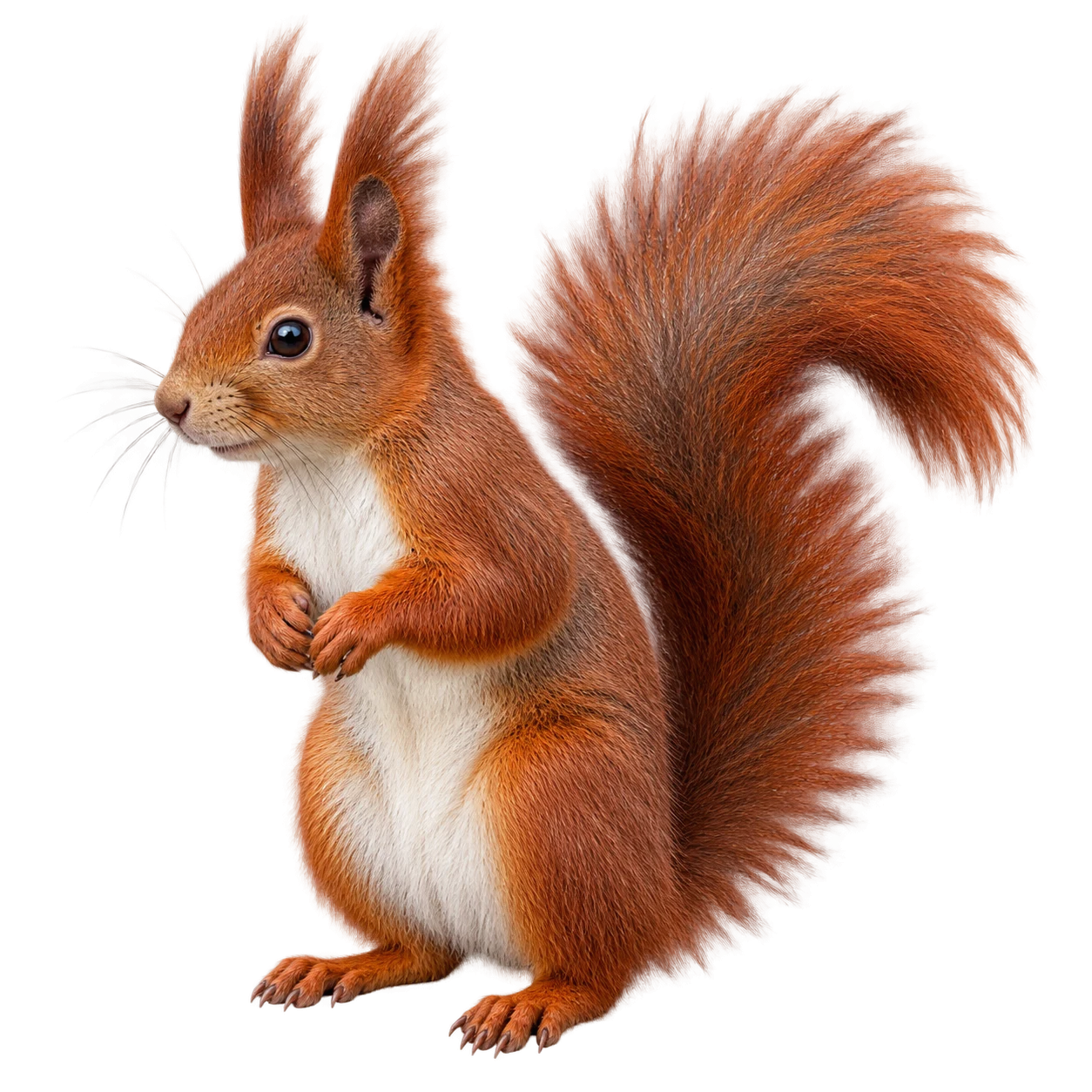
Squirrels

The Eurasian Goshawk hunts mainly birds, regionally especially pigeons and corvids, as well as small mammals. When food is scarce it occasionally also takes carrion.

Hunting
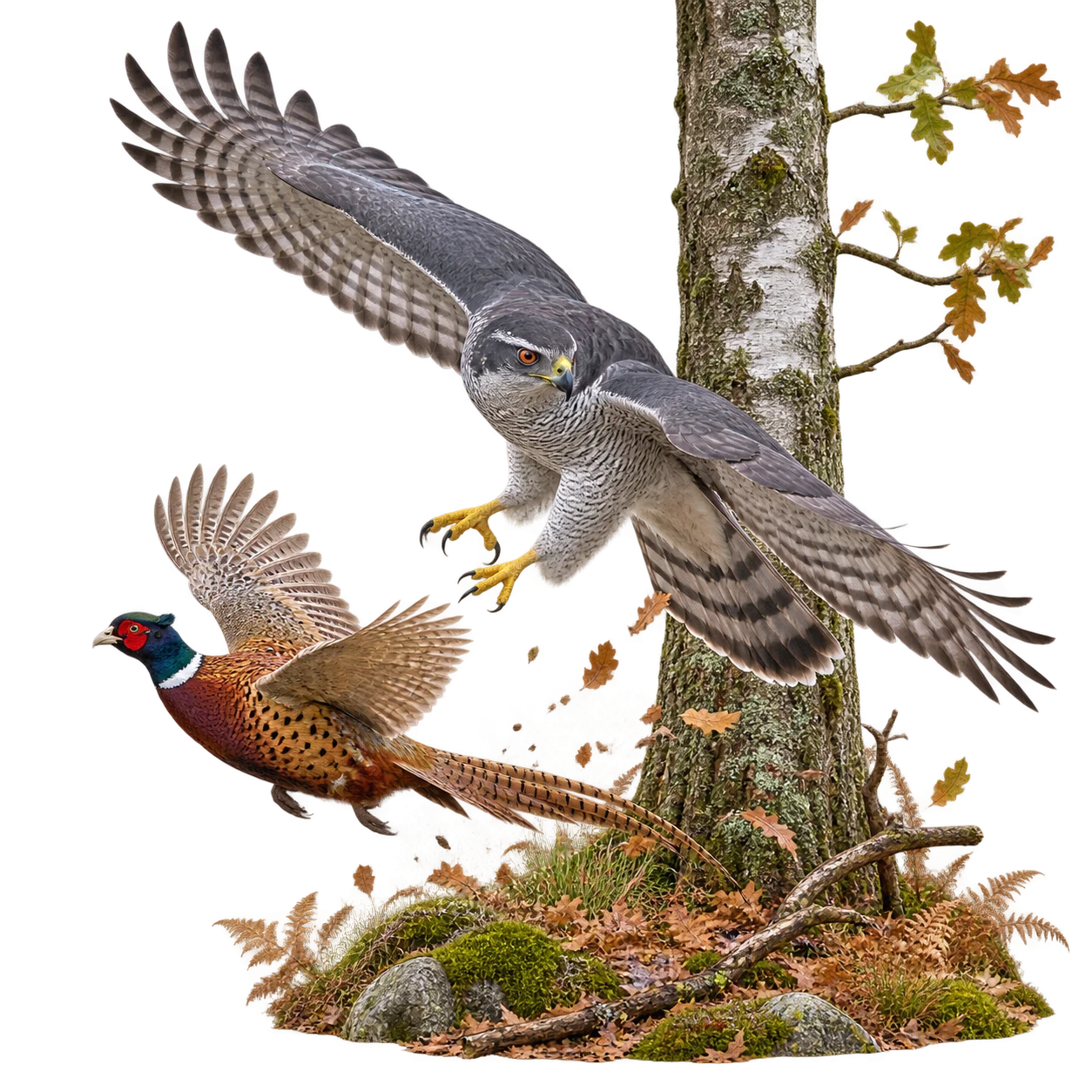
Eurasian Goshawk: Ambush hunting · Scavenging

It approaches as unseen as possible between trees, hedges or buildings. With a short, fast attack it takes its prey by surprise.

Distribution

Range

Europe & Asia

Status in Germany

Breeding birdWinter visitor

Habitat

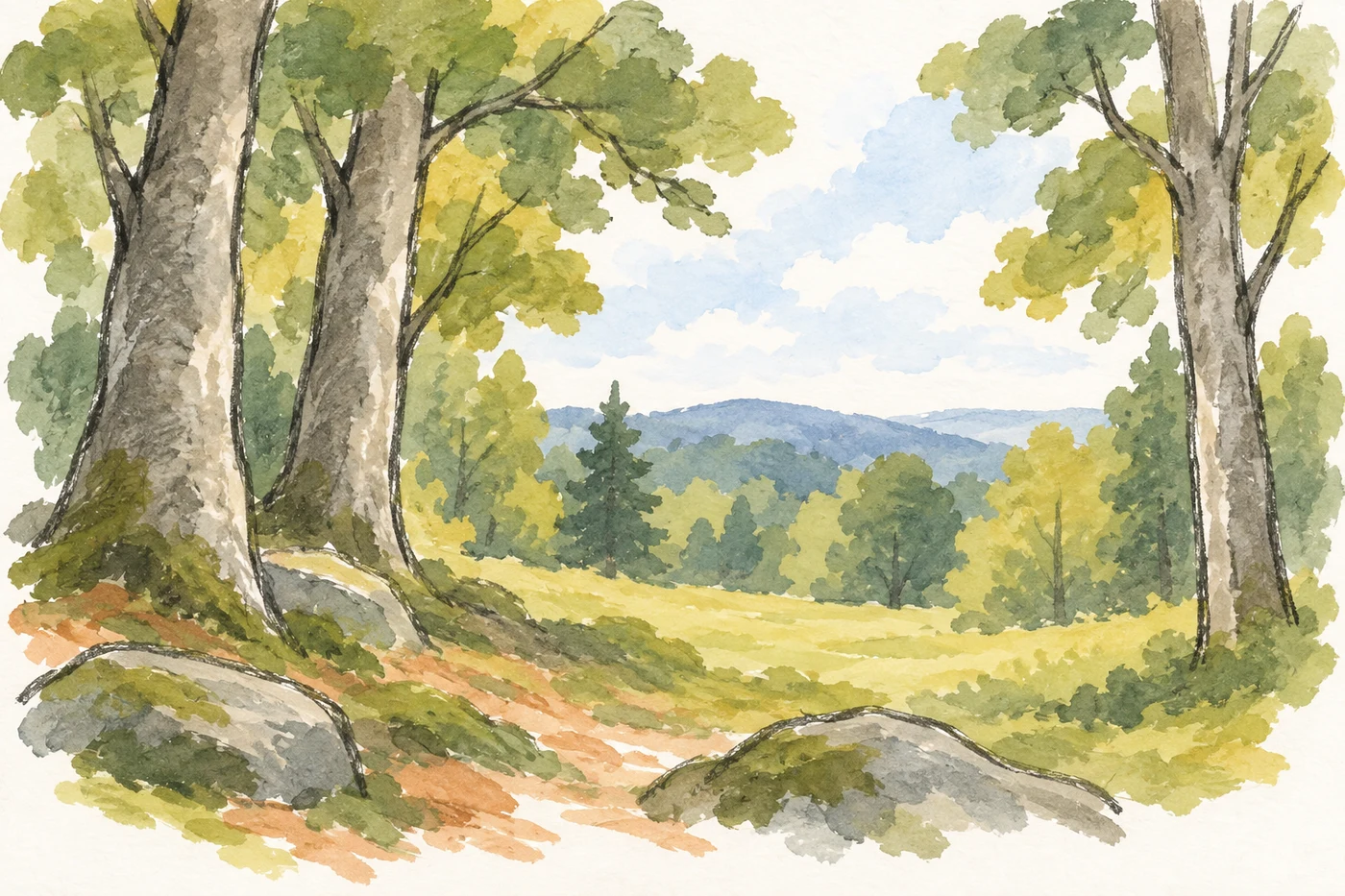
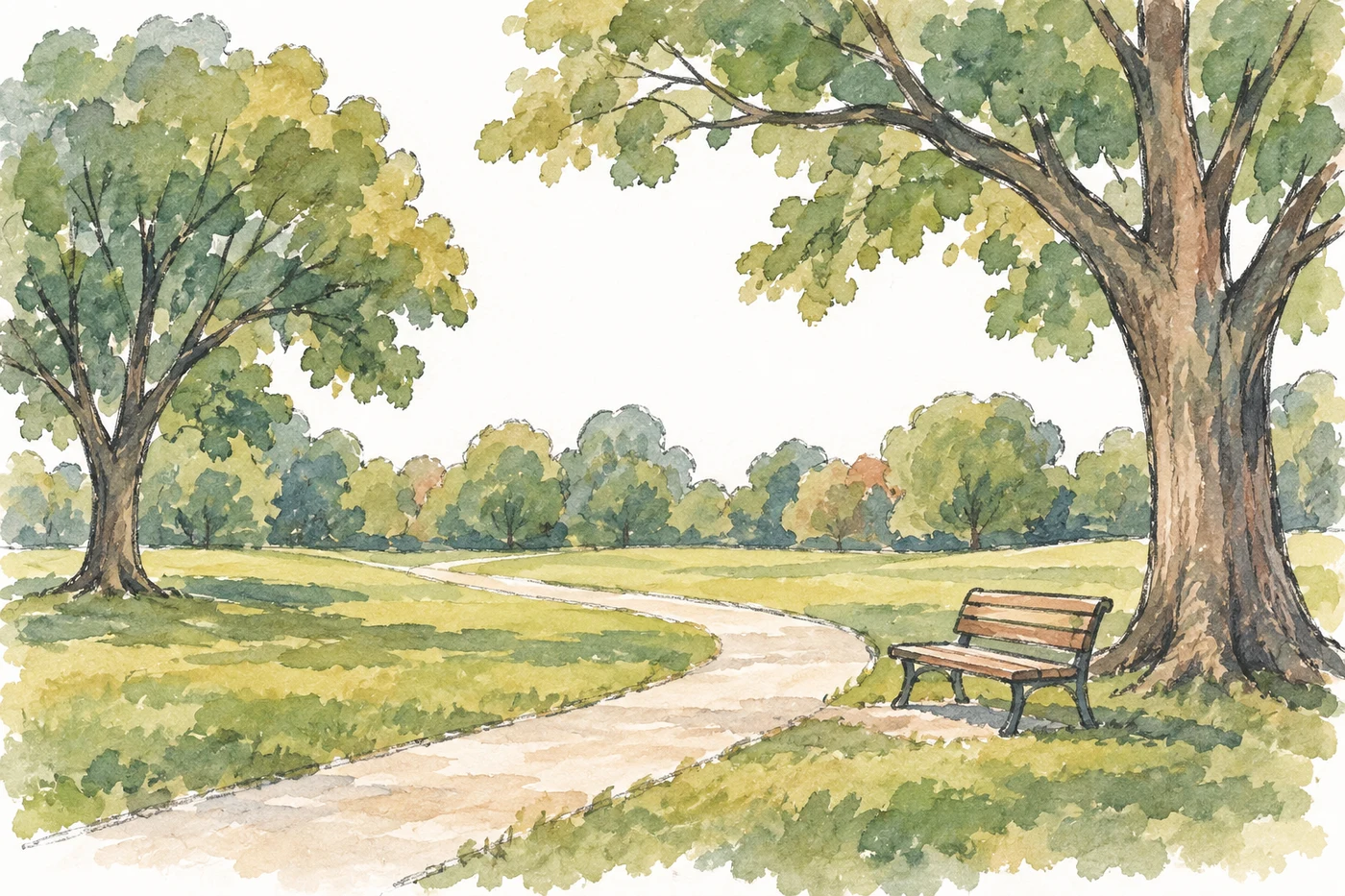
Woodland with old trees and richly structured woodland edges. In cities it also settles in large parks, cemeteries and green courtyards with mature trees.
Eurasian Goshawk