Peregrine Falcon

Falco peregrinus
Wingspan

90–105cm

Body length

40–50cm

Weight

600–750g

Profile

Life expectancy
Clutch size
3–4 eggs
Global status
Activity
Migration
Falconry

Identification

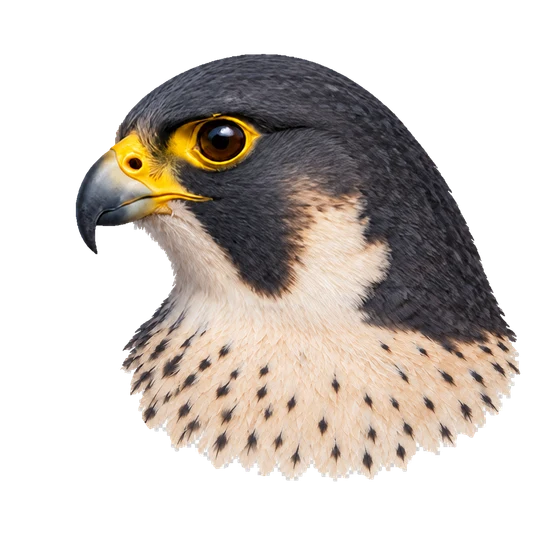
A powerful body, pointed wings and a comparatively short tail distinguish it from slimmer falcons. The dark cap and broad moustachial stripe frame the pale cheek.

Colours

Plumage
Eyes
Legs & feet

Adult

Slate-grey back, dark moustachial stripe and barred underparts. Females share the same basic pattern but are clearly larger.

Behaviour

The Peregrine Falcon combines rapid wingbeats with glides. Pairs defend their nest site vigorously. Courtship includes joint flight manoeuvres; the bond to suitable cliffs or buildings can last a long time.

Breeding & rearing

It builds no stick nest, but lays its eggs in a scraped hollow. Rock ledges and tall structures offer sheltered sites for this. The female does most of the incubating, while the male brings food.

Diet

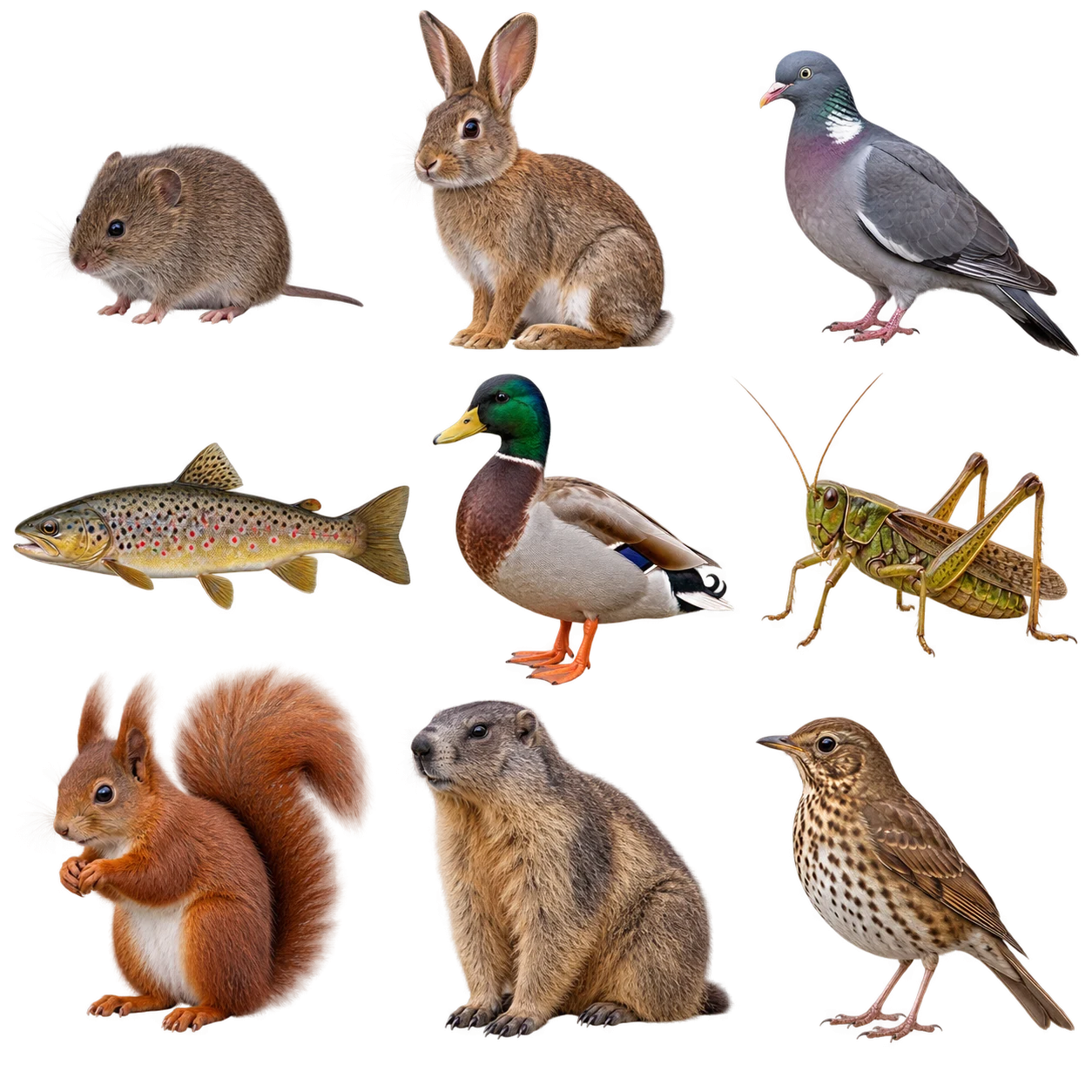
Prey examples

Pigeons
Songbirds
Waterbirds

The Peregrine Falcon hunts almost exclusively birds, usually in open airspace. Depending on habitat, pigeons, songbirds, waders or ducks are frequent prey.

Hunting
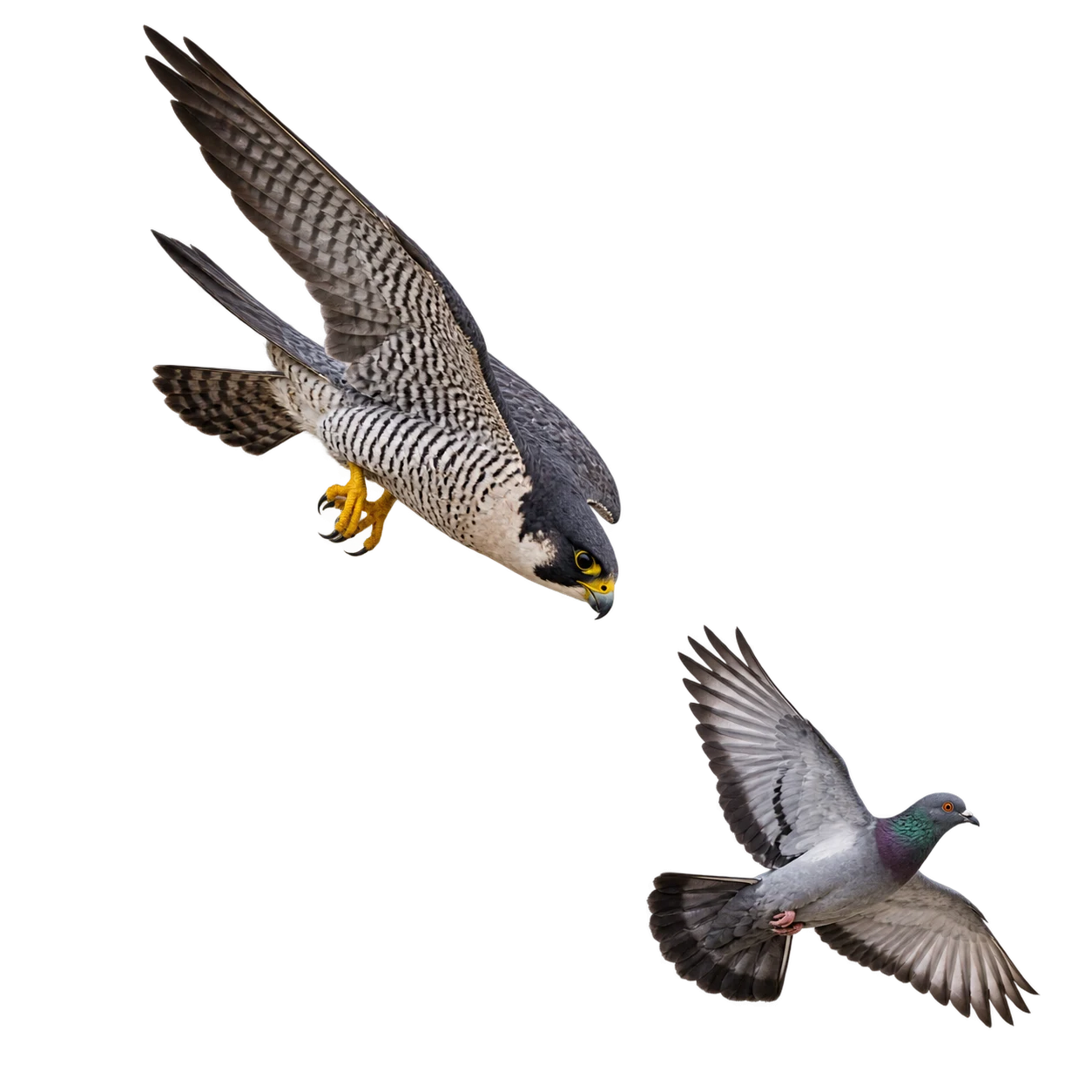
Peregrine Falcon: Pursuit · Stoop

It pursues flying birds or approaches them in a fast stoop from great height. It seizes or strikes its prey with its talons in mid-air.

Distribution

Range

Almost worldwide

Status in Germany

Habitat

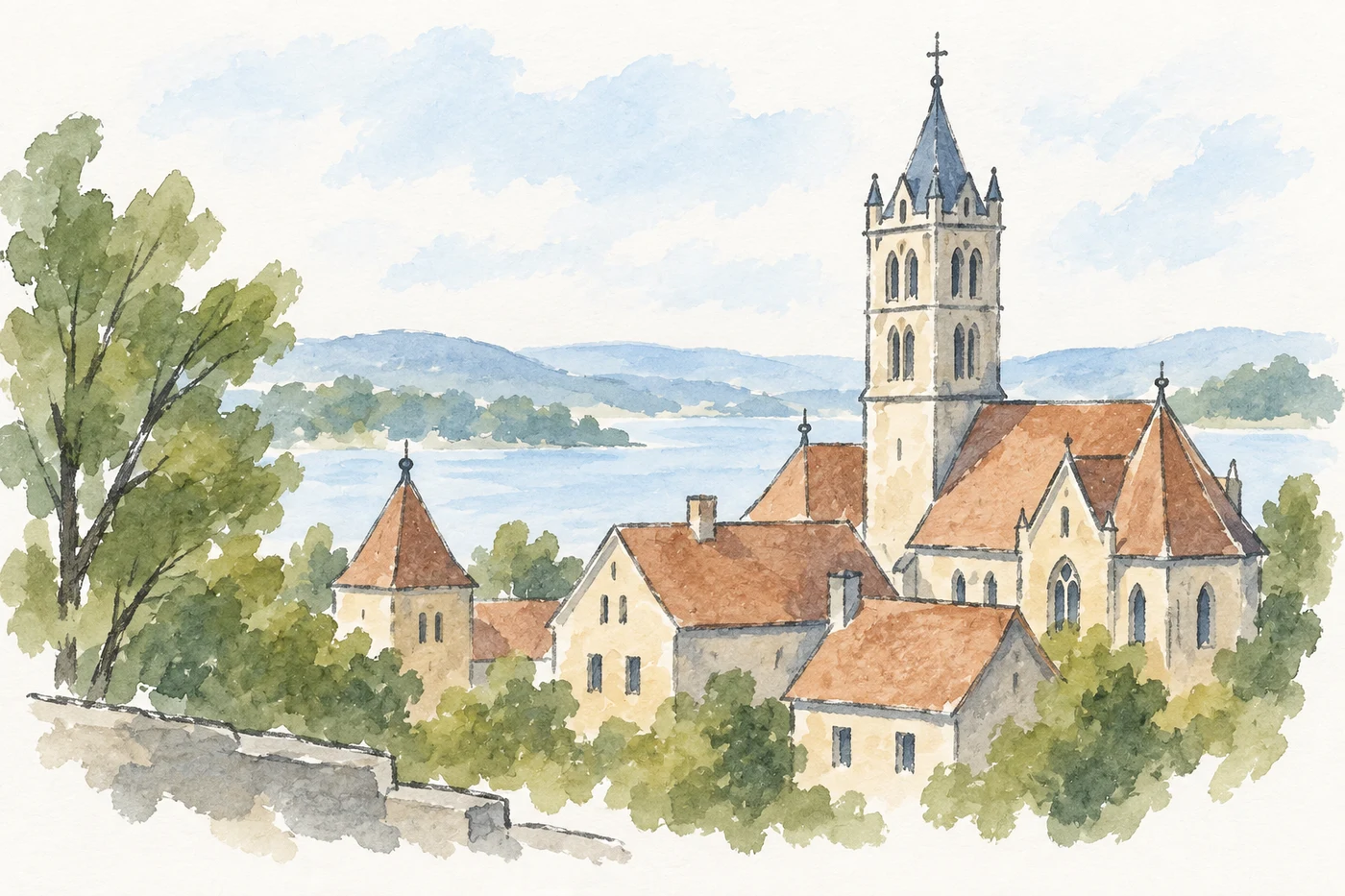
Cliffs, coasts and quarries. In cities it uses tall buildings as nesting sites.
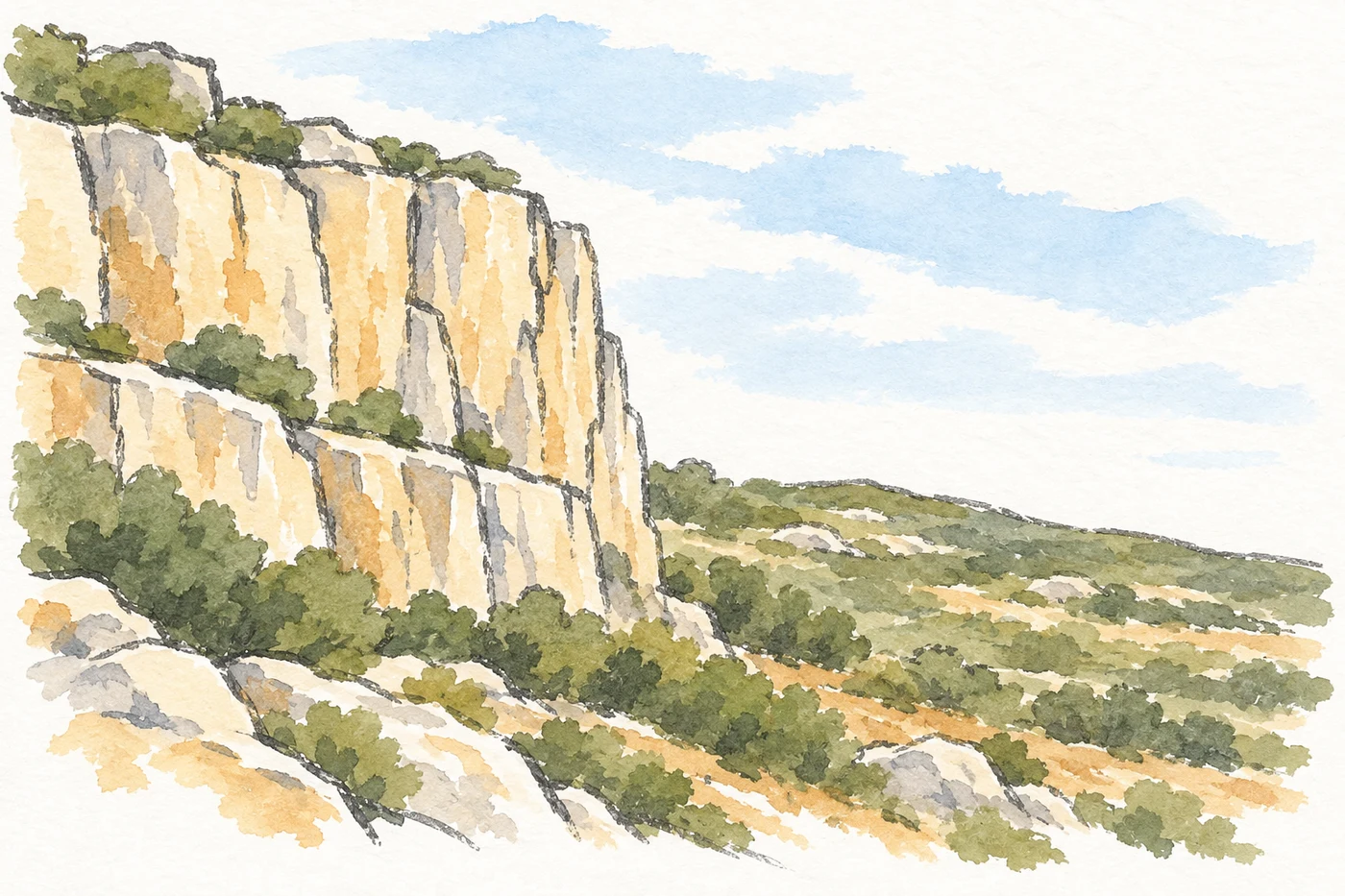
Peregrine Falcon