Eurasian Eagle-Owl
160–190cm
60–75cm
1,500–2,800g
Profile
- Life expectancy
- Clutch size
- 1–4 eggs
- Global status
- Activity
- Migration
- Falconry
Identification
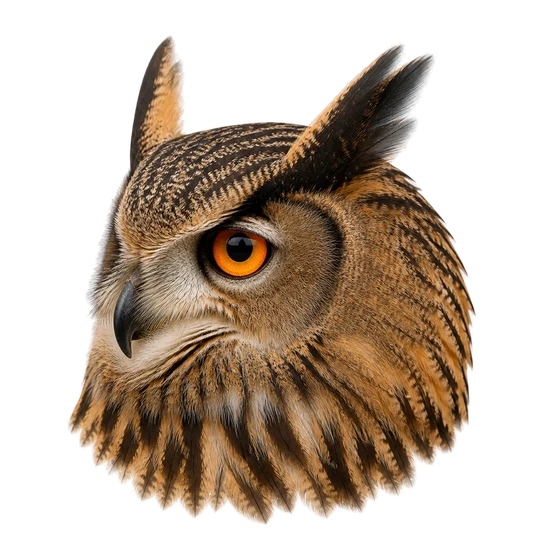
A large, powerful owl with orange eyes and long ear tufts. The dark-edged facial disc and coarsely patterned plumage camouflage it at its daytime roost. In flight the broad, rounded wings are striking.
Colours
Adult
Orange eyes, ear tufts and densely patterned brown-and-buff plumage. The sexes are similarly coloured, but females are clearly larger.
Behaviour
The Eurasian Eagle-Owl usually becomes active at dusk and at night. By day it rests hidden on rocks or in trees. Its deep, two-syllable call often reveals its territory before it is seen.
Breeding & rearing
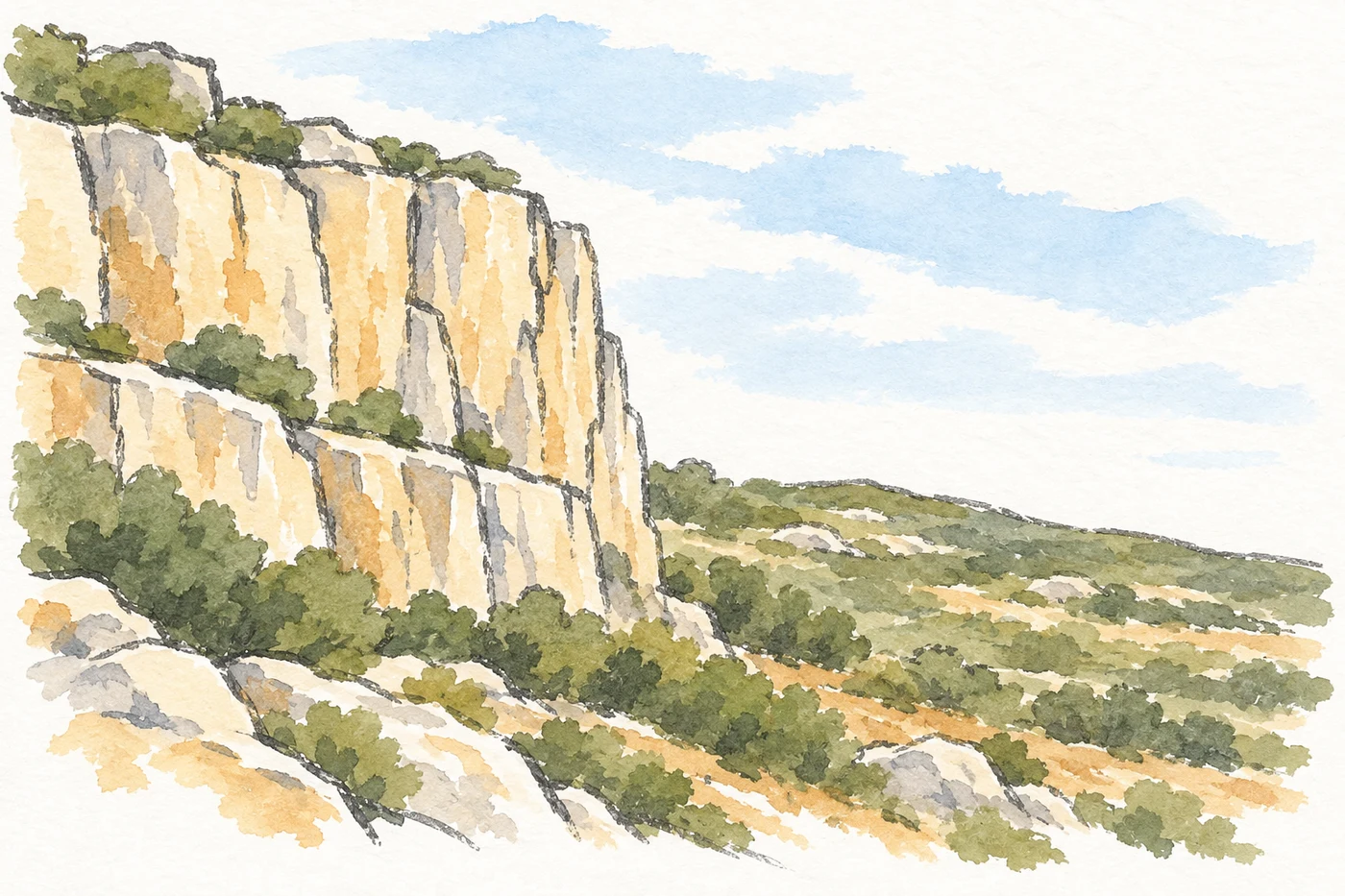
Rock ledges and quarries are typical nest sites. Where cliffs are lacking, old raptor nests or hollows on the ground are also used. An undisturbed nest site is important; the young may explore the area around the nest before they can fly well.
Diet
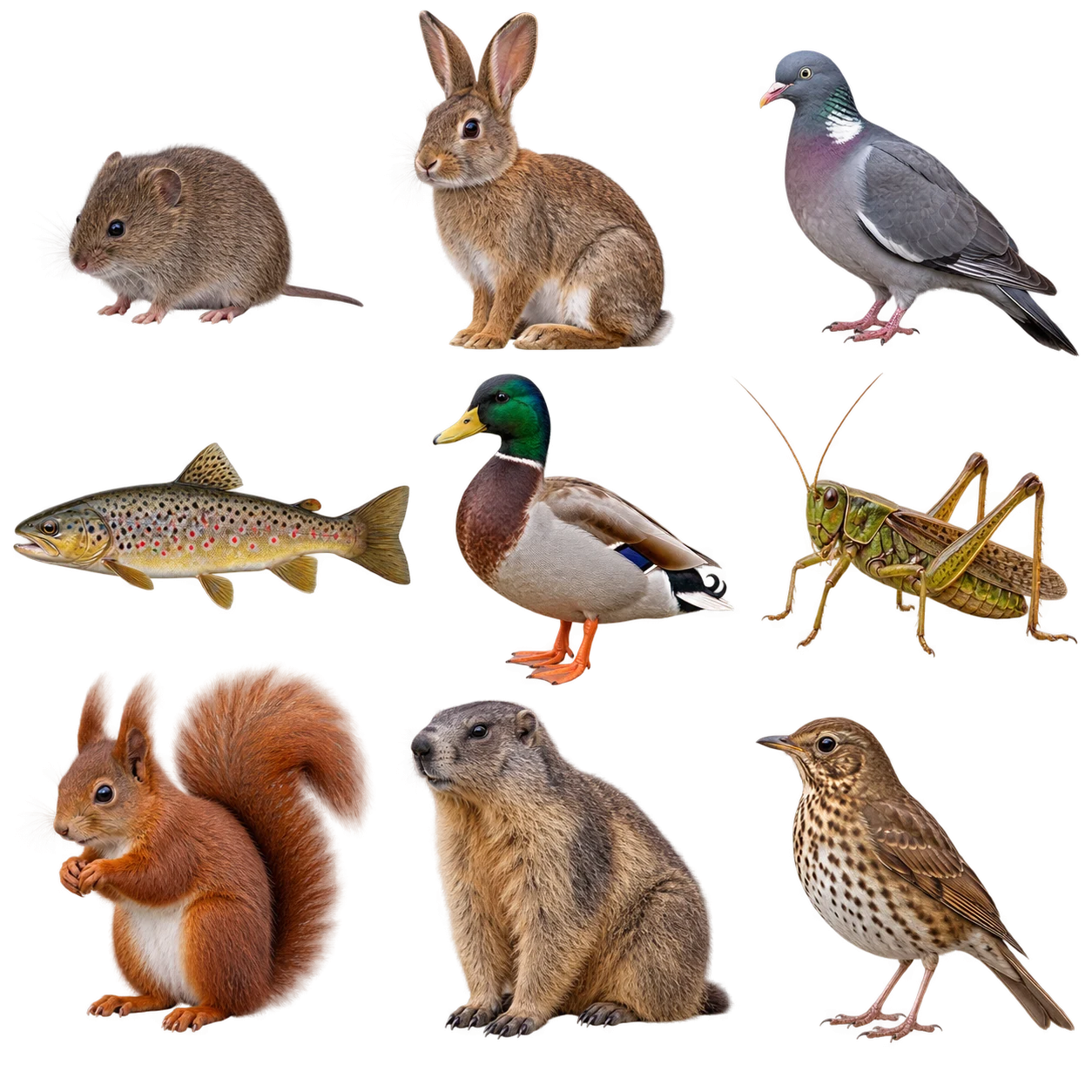
Prey examples
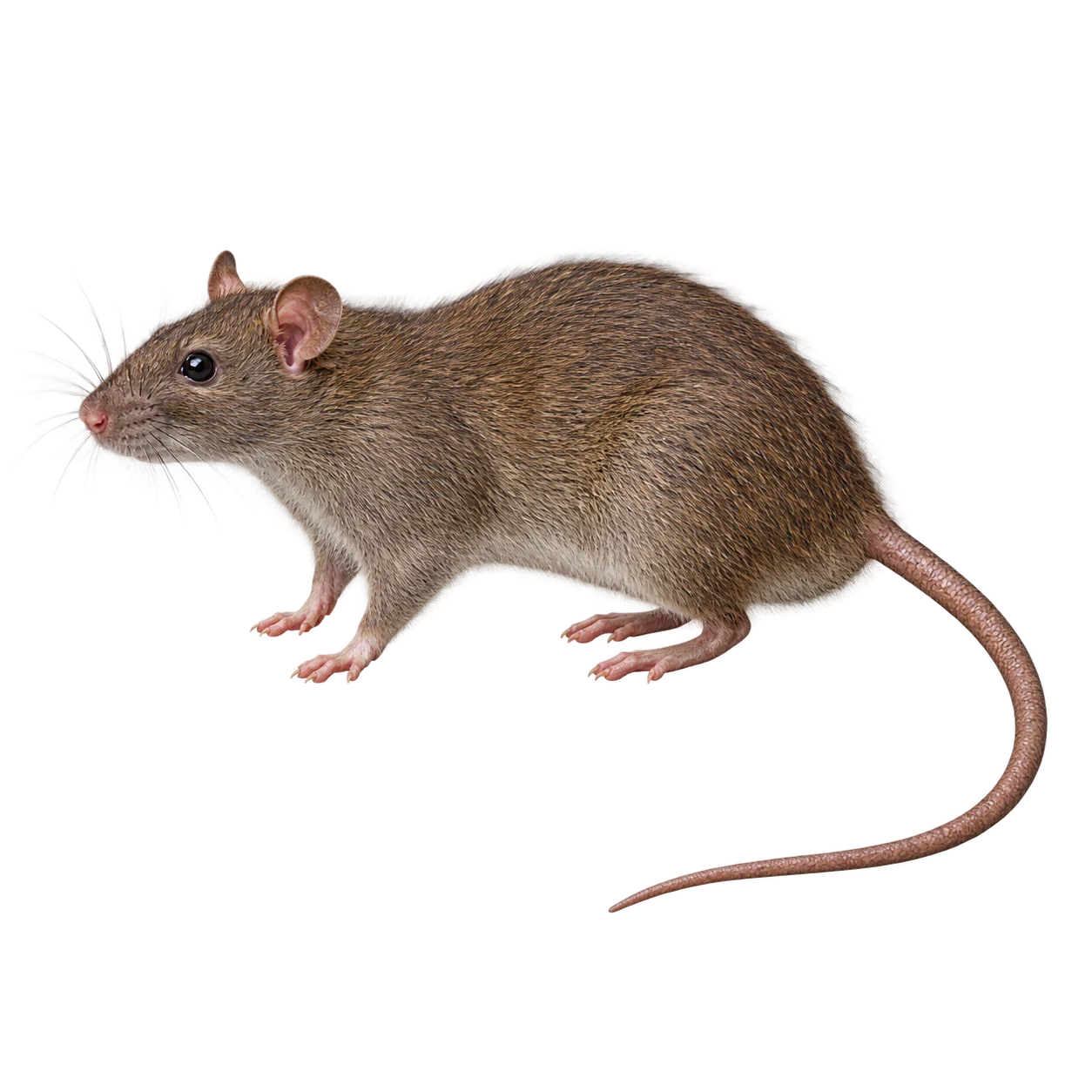
Rats
Rabbits
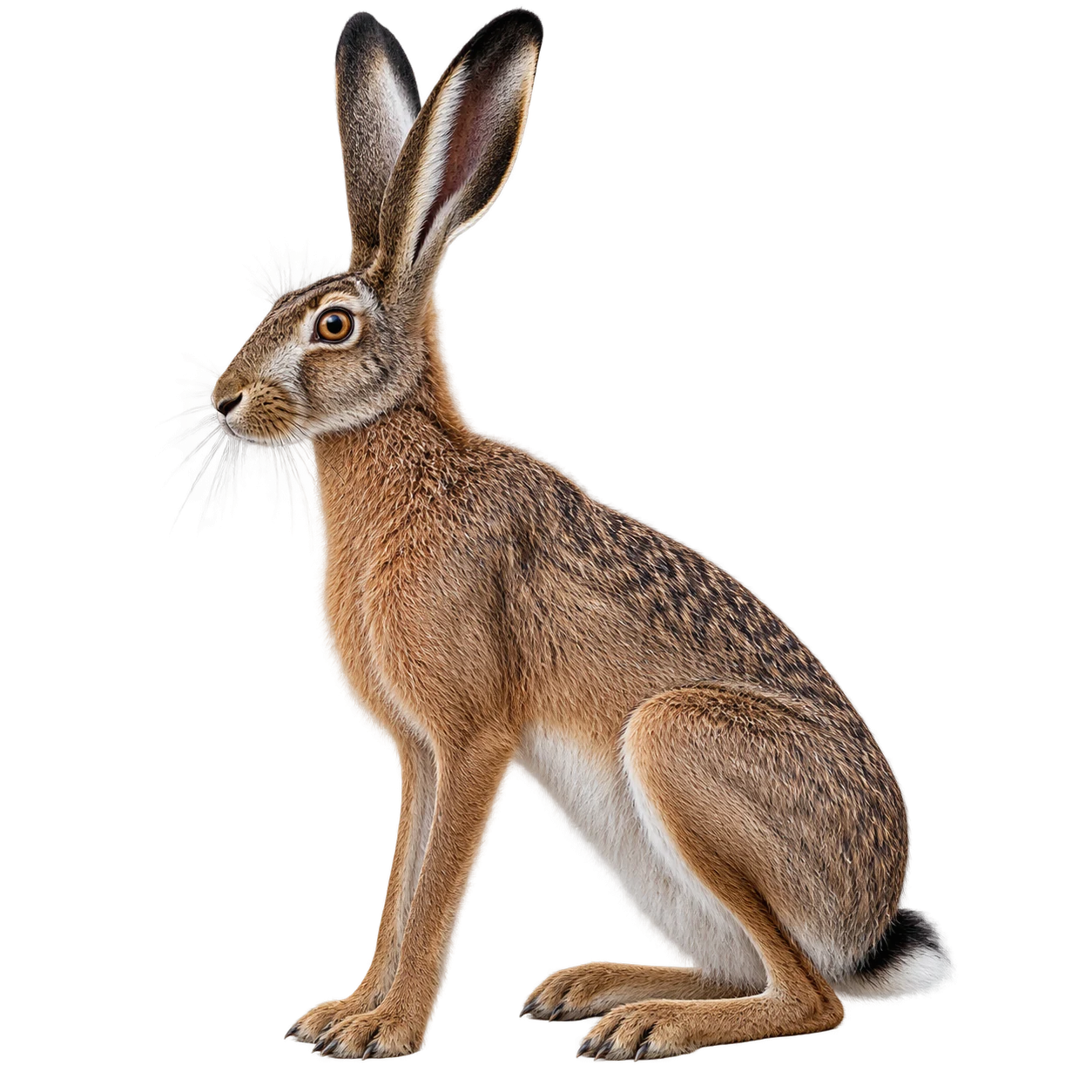
Hares
SongbirdsThe Eurasian Eagle-Owl takes mainly mammals, from mice to rabbits and hares, as well as birds. Occasionally other small vertebrates are added.
Hunting
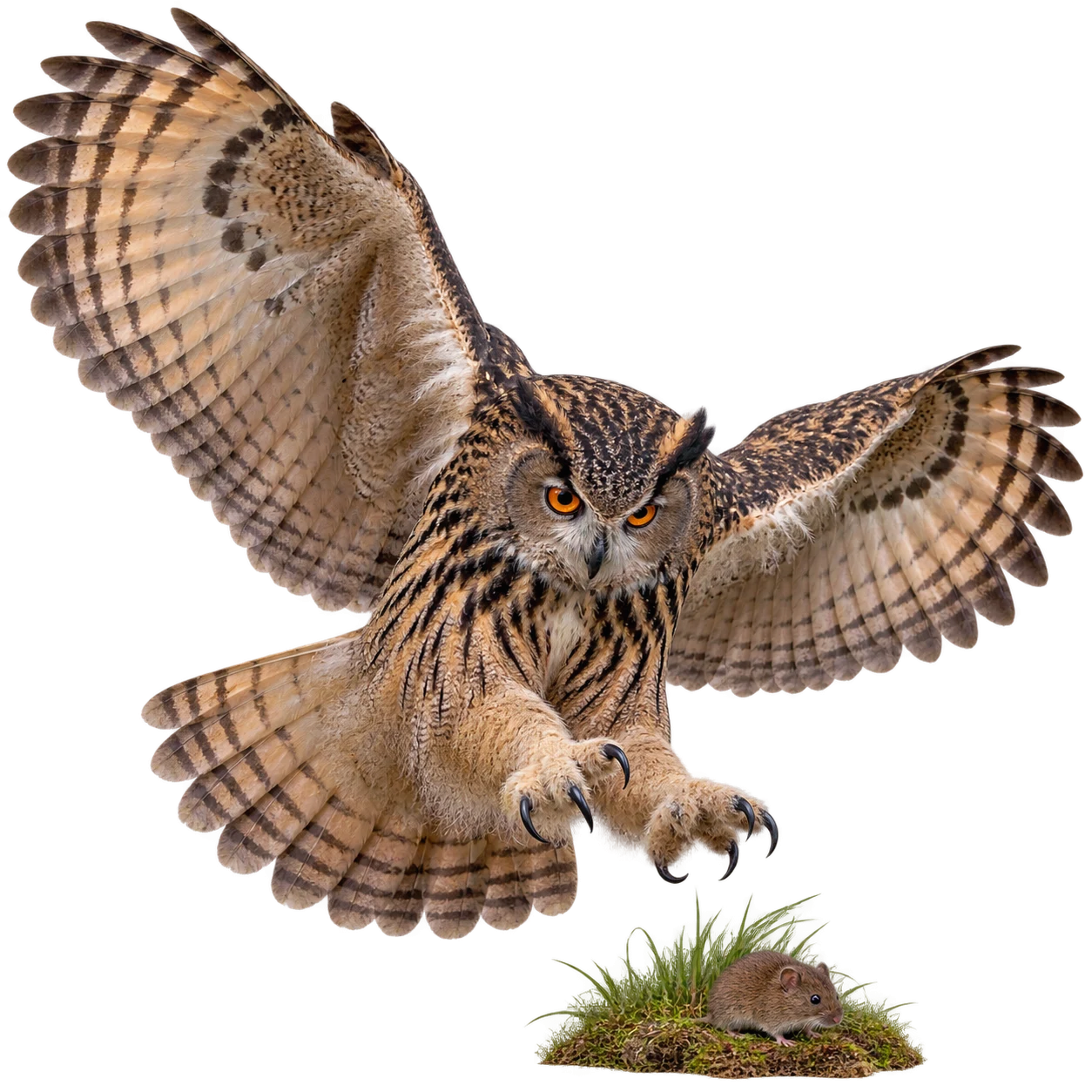
At dusk and at night it searches for prey from a perch or in low flight. When it spots an animal, it approaches with silent wingbeats and seizes it with its powerful talons.
Distribution
Habitat
Cliffs, quarries and forests near varied open country.