White Stork
155–215cm
100–115cm
2,300–4,500g
Profile
- Life expectancy
- Clutch size
- 3–5 eggs
- Global status
- Activity
- Migration
Identification
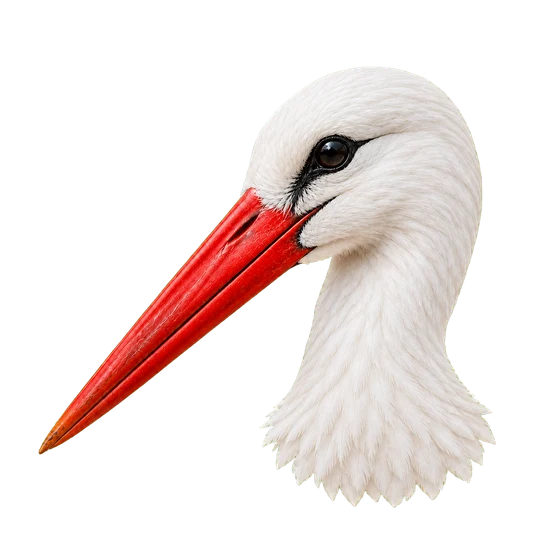
In flight the neck is stretched straight forward and the long legs backwards. This distinguishes it from herons. Black flight feathers contrast with the white body; adults have red bills and legs.
Colours
Adult
White plumage with black flight feathers, long red legs and a red bill. In flight the neck and legs stay outstretched.
Behaviour
When soaring it uses thermals and can thus cover great distances with few wingbeats. At the nest its bill-clattering is particularly conspicuous. It often forages by striding over short grass or wet areas.
Breeding & rearing
Nests on roofs, trees or pylons can grow very large through repeated additions. Both parents feed the young. These stay in the nest for about two months and only become fully independent of their parents later.
Diet
Prey examples
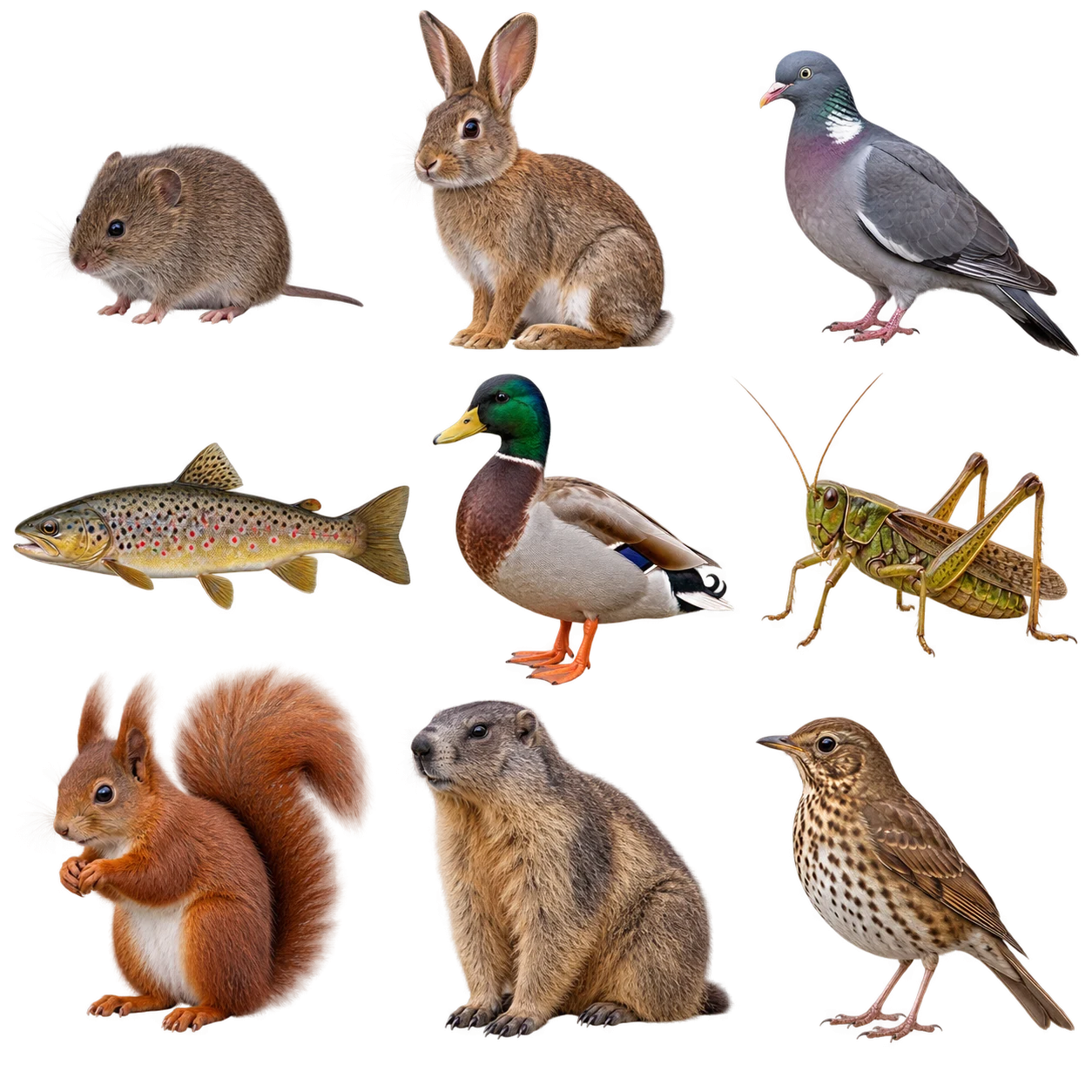
Voles
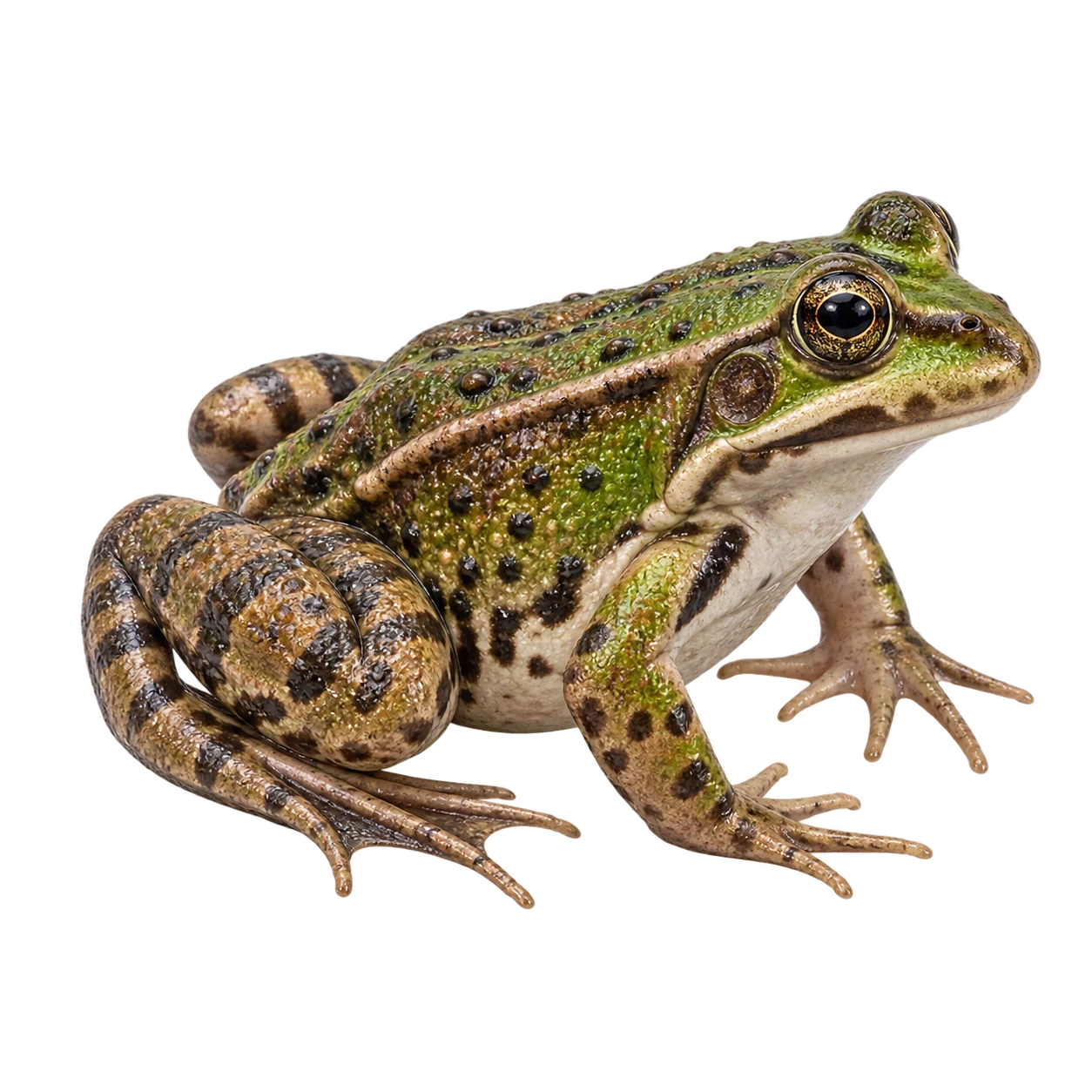
Frogs
Grasshoppers
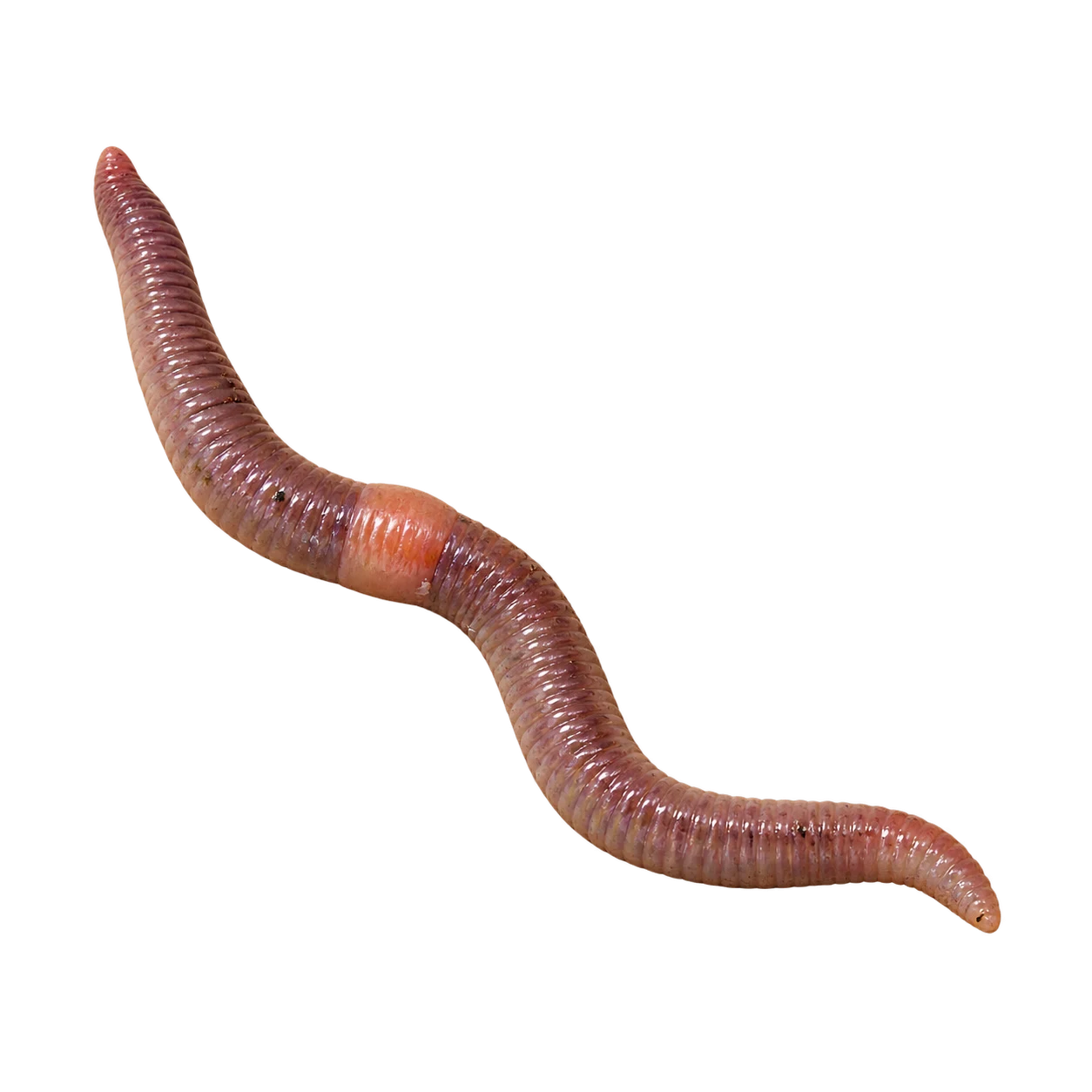
EarthwormsThe White Stork gathers small mammals, amphibians, large insects and earthworms in meadows and shallow water. It also takes reptiles, fish, occasionally young birds and carrion.
Hunting
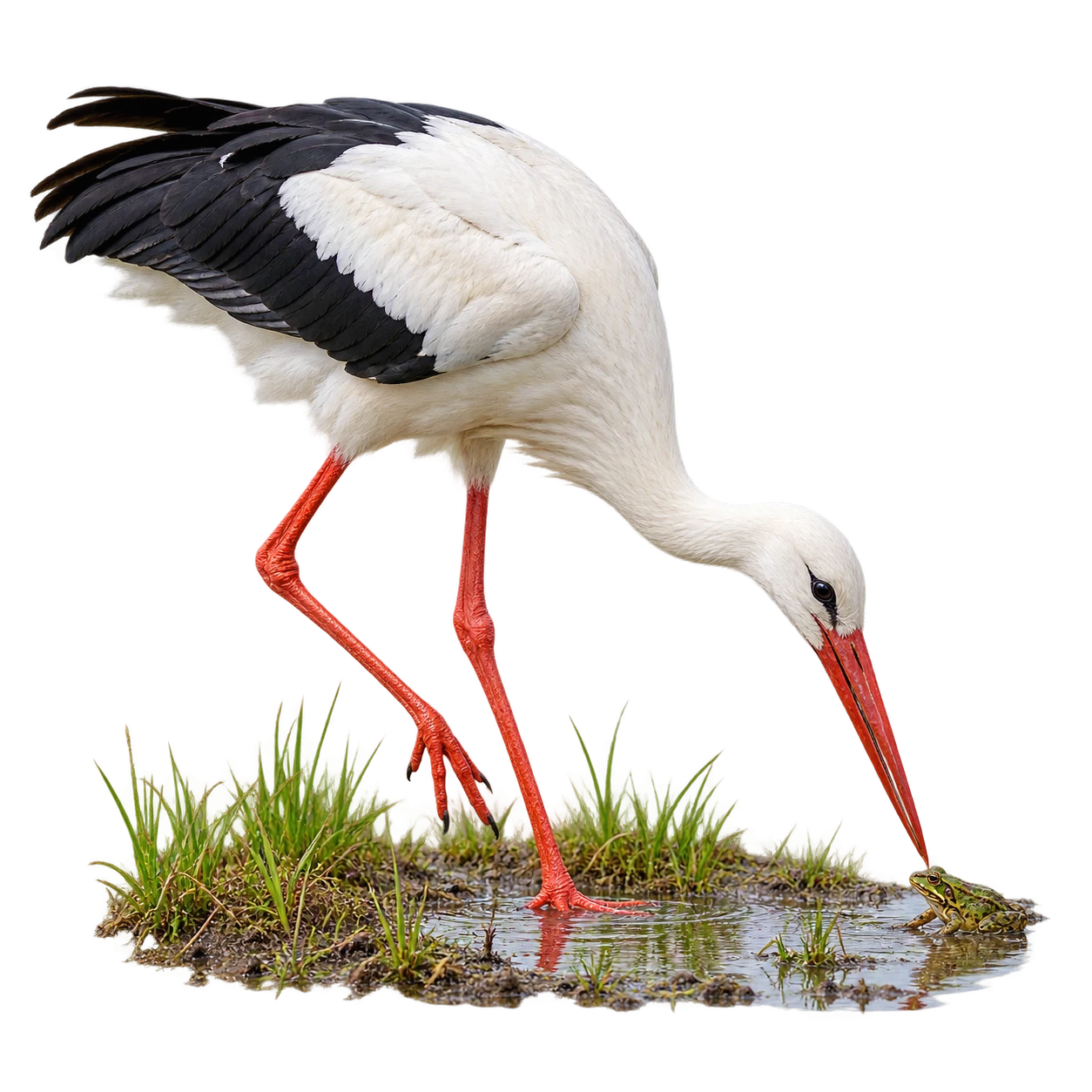
It strides slowly across meadows or through shallow water, searching for small animals. When it spots prey, it strikes precisely with its long bill.
Distribution
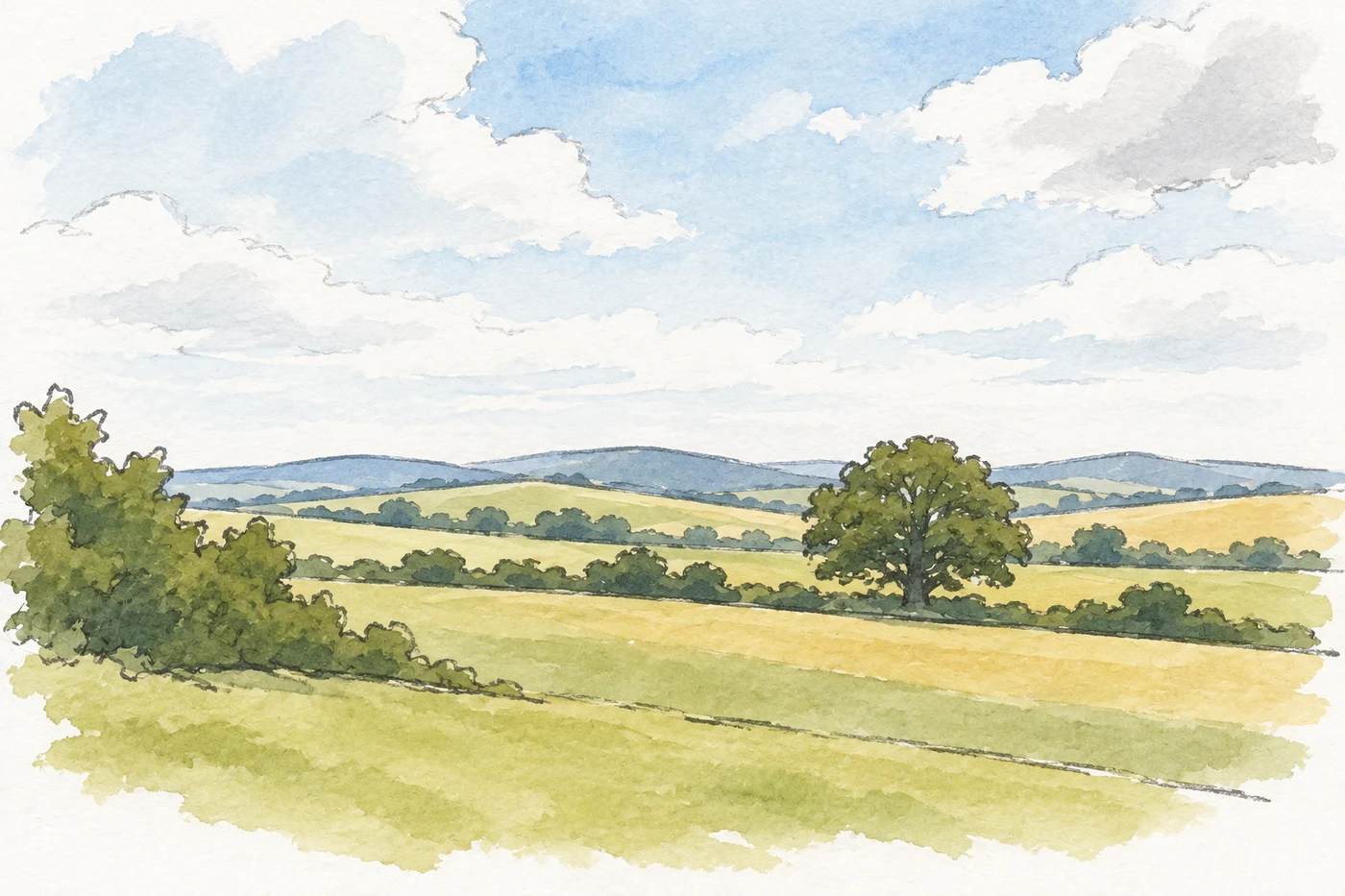
Habitat
Wet meadows, pastures, floodplains and open farmland with easily reachable food.