Lanner Falcon

Falco biarmicus
Wingspan

100–110cm

Body length

45–50cm

Weight

500–600g

Profile

Life expectancy
Clutch size
3–4 eggs
Global status
Activity
Migration
Falconry

Identification

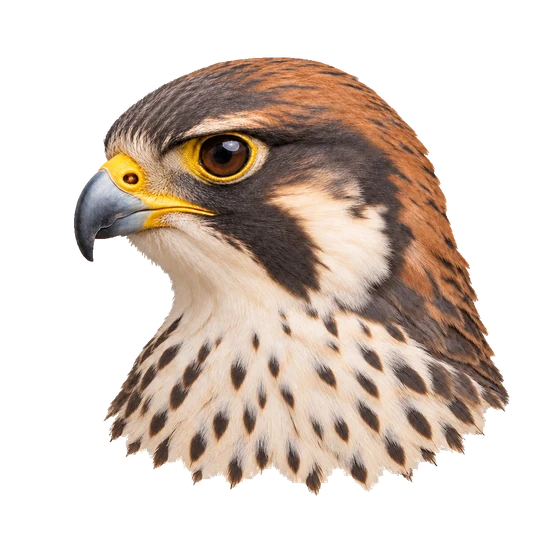
The Lanner looks longer and slimmer than the Peregrine Falcon. Adults have a pale to rufous nape and a narrower moustachial stripe. The pale underparts are usually less densely marked than in the Peregrine Falcon.

Colours

Plumage
Eyes
Legs & feet

Adult

Pale head with a rufous crown and a narrow dark moustachial stripe. Females are larger; the plumage pattern differs only slightly.

Behaviour

It is usually seen alone or in pairs. Adults may hold permanent territories; younger birds roam more widely. Regional movements also depend on how rainfall changes the food supply.

Breeding & rearing

Rock ledges are important nest sites, but trees and structures are also used. Instead of building a nest itself, the Lanner takes over existing nests. After fledging, the young may still be fed by their parents for months.

Diet

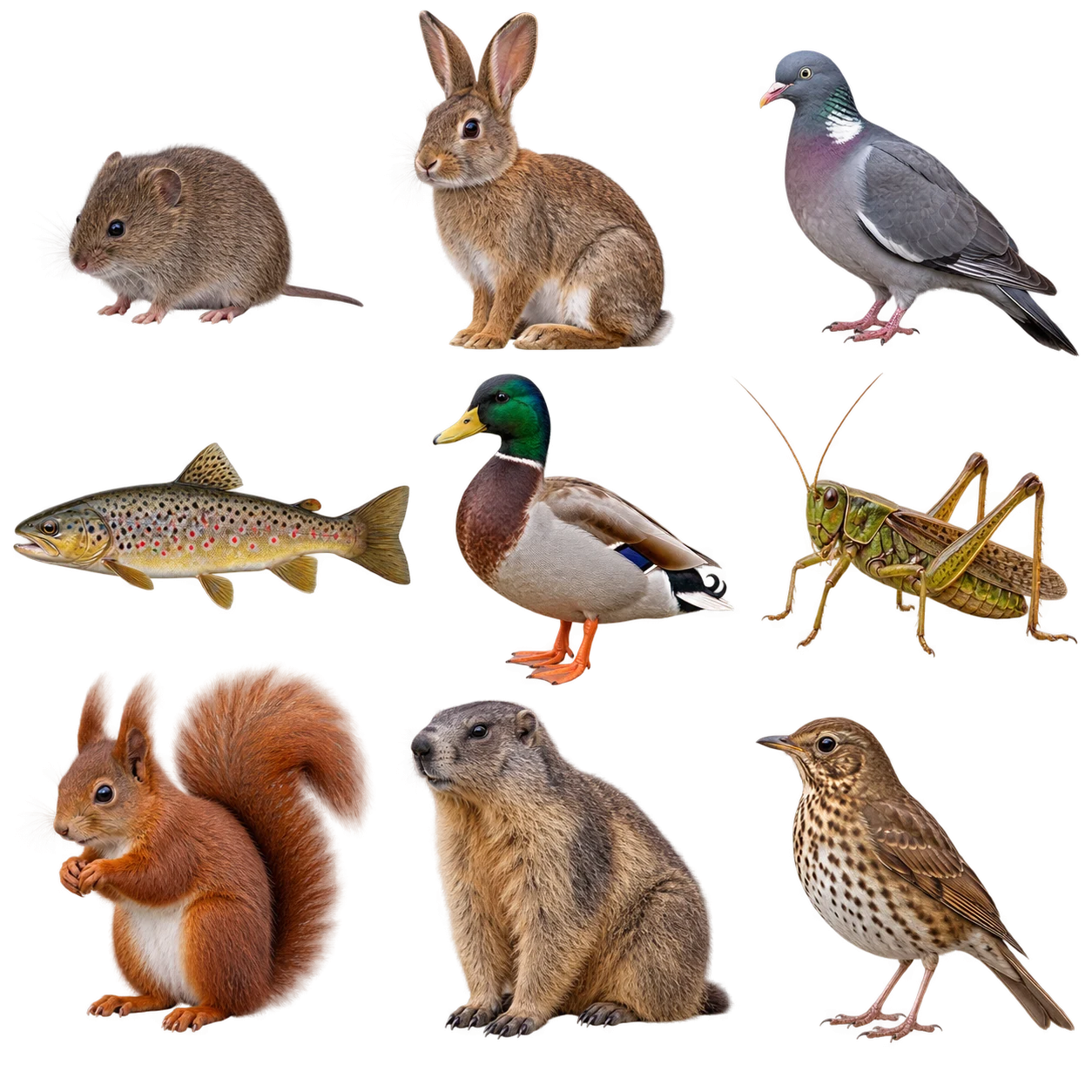
Prey examples

Pigeons
Songbirds

The Lanner Falcon mostly takes small to medium-sized birds. Mammals, reptiles, insects and occasionally carrion supplement its diet.

Hunting
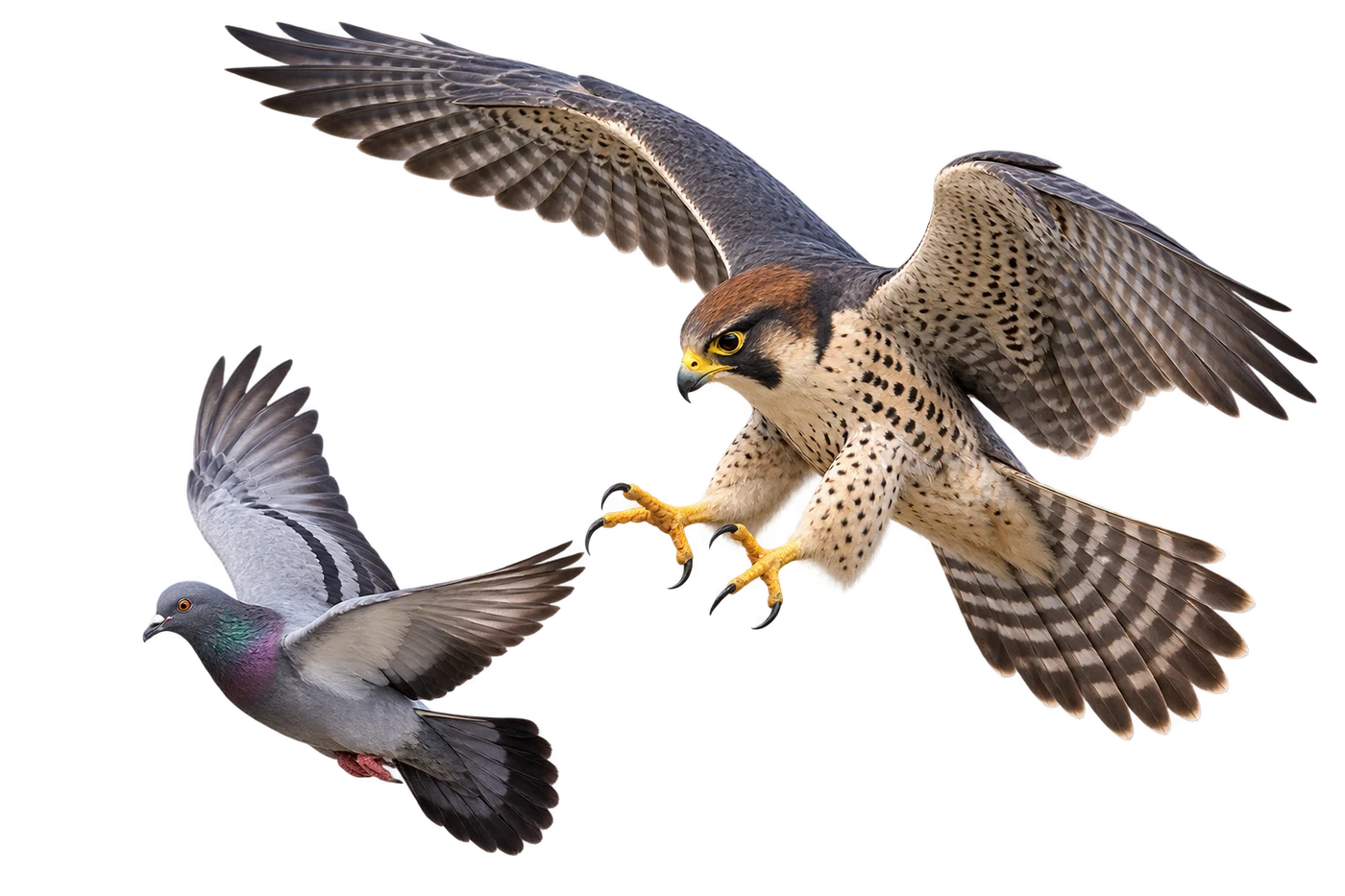
Lanner Falcon: Pursuit · Ambush hunting · Cooperative hunting · Scavenging

It surprises birds with a fast attack and pursues them in open airspace. Sometimes two partners hunt together, with one flushing the prey.

Distribution

Range

Africa, Southern Europe & Middle East

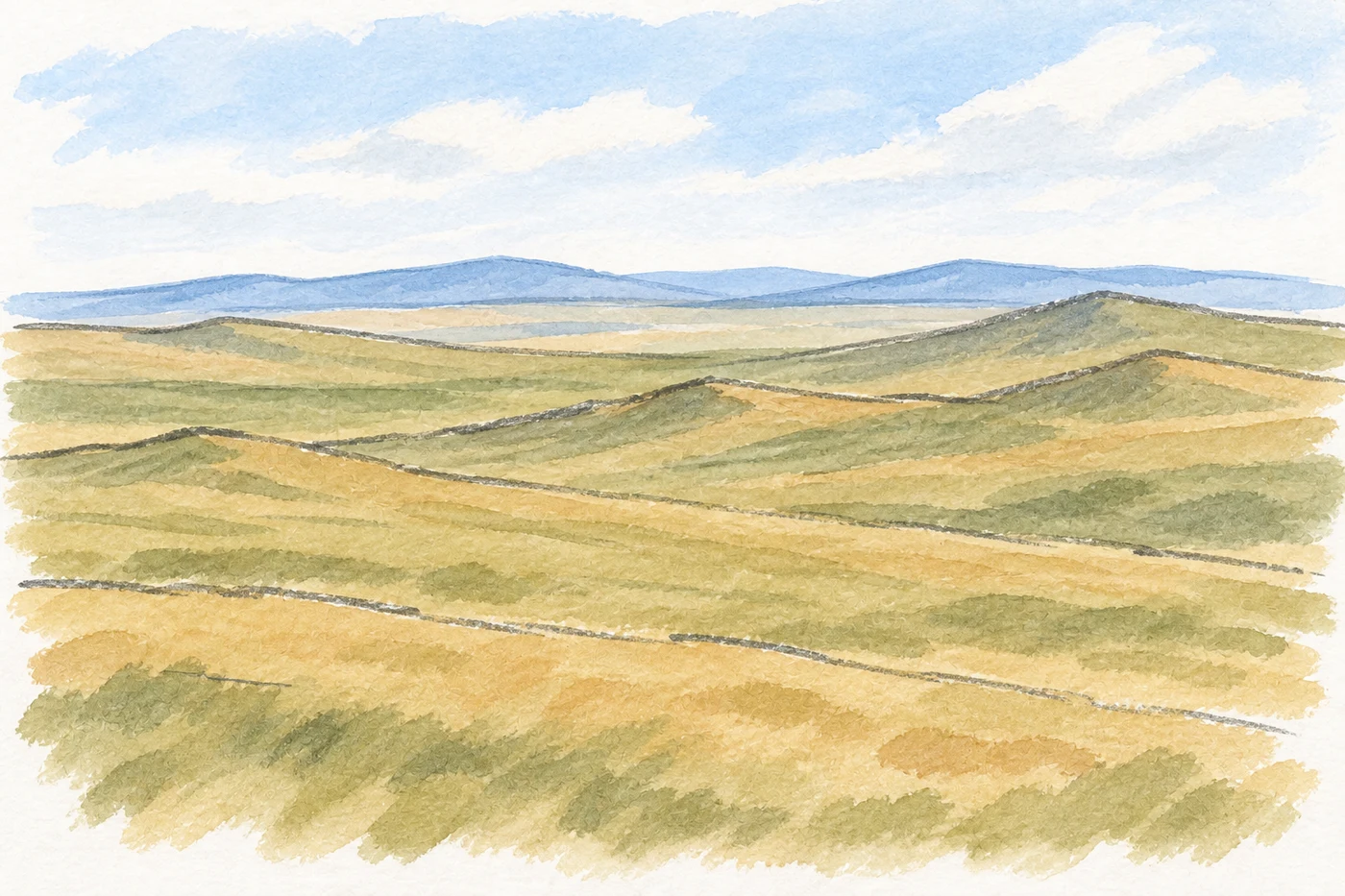
Habitat

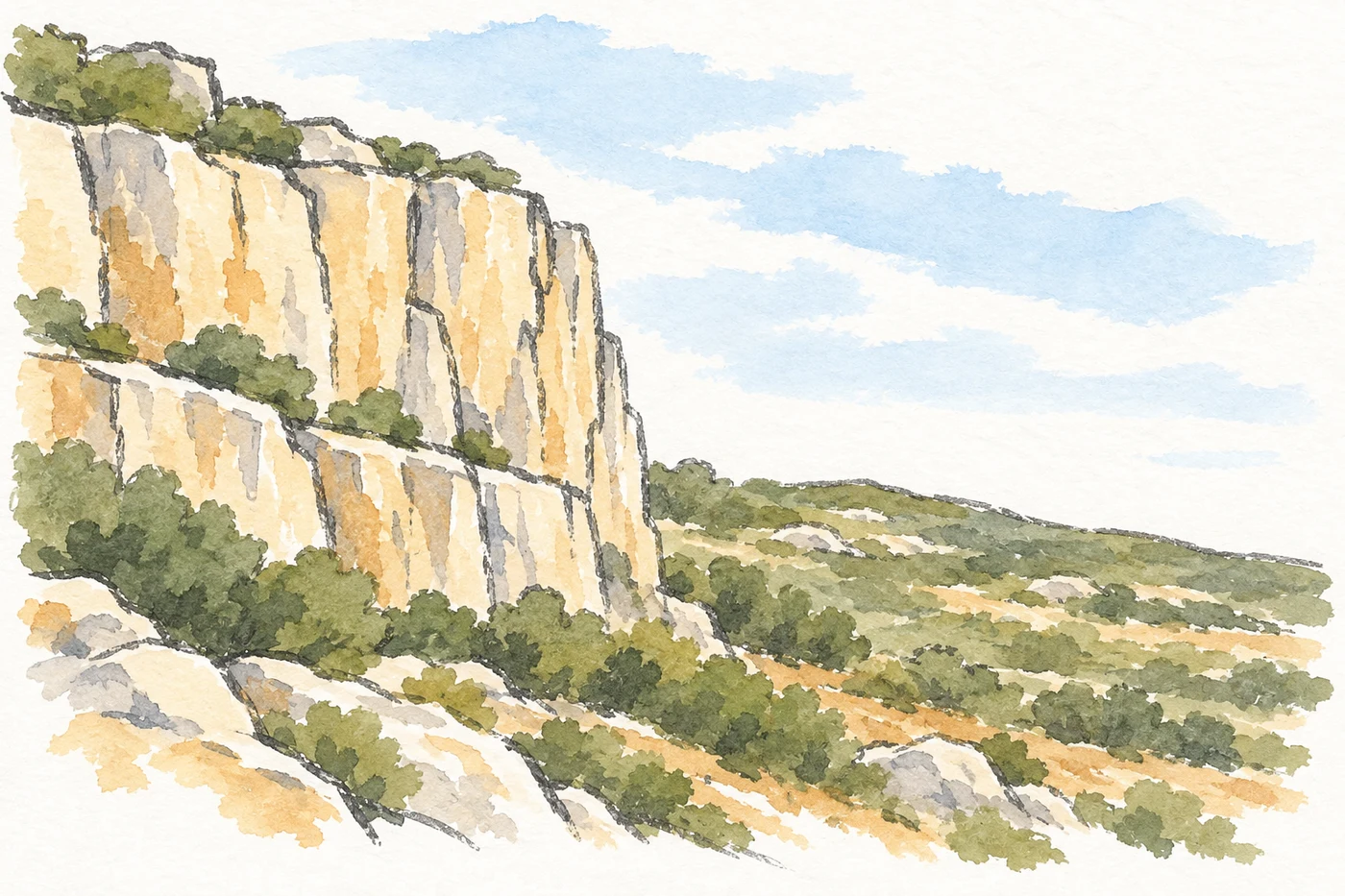
Dry grassland, savannahs and open farmland. Rocks and cliffs often provide the nest site.
Lanner Falcon