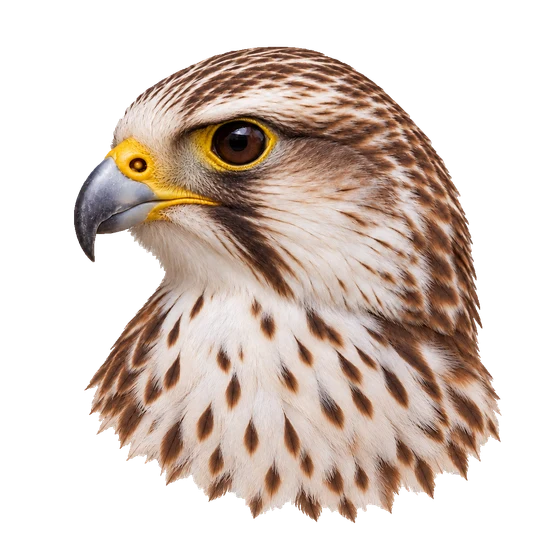
Saker Falcon
110–125cm
45–55cm
700–900g
Profile
- Life expectancy
- Clutch size
- 3–5 eggs
- Global status
- Activity
- Migration
- Falconry
Identification
A large, powerful falcon with a long tail and less pointed wings than the Peregrine Falcon. The head often looks pale, the moustachial stripe weaker. Dark underwing coverts can stand out clearly against the paler flight feathers.
Colours
Adult
Brown upperparts and pale, dark-marked underparts. Females are larger but largely the same in plumage.
Behaviour
Open country offers space for fast pursuits close to the ground. For identification it is worth comparing it with Lanner and Peregrine Falcons: body proportions and the distribution of pale and dark wing areas are more reliable than a single plumage colour.
Breeding & rearing
Saker Falcons do not build their own stick nests. They use existing nests of other birds as well as suitable cliff sites and nesting aids. In landscapes with few trees, safe artificial nest sites can therefore play an important role.
Diet
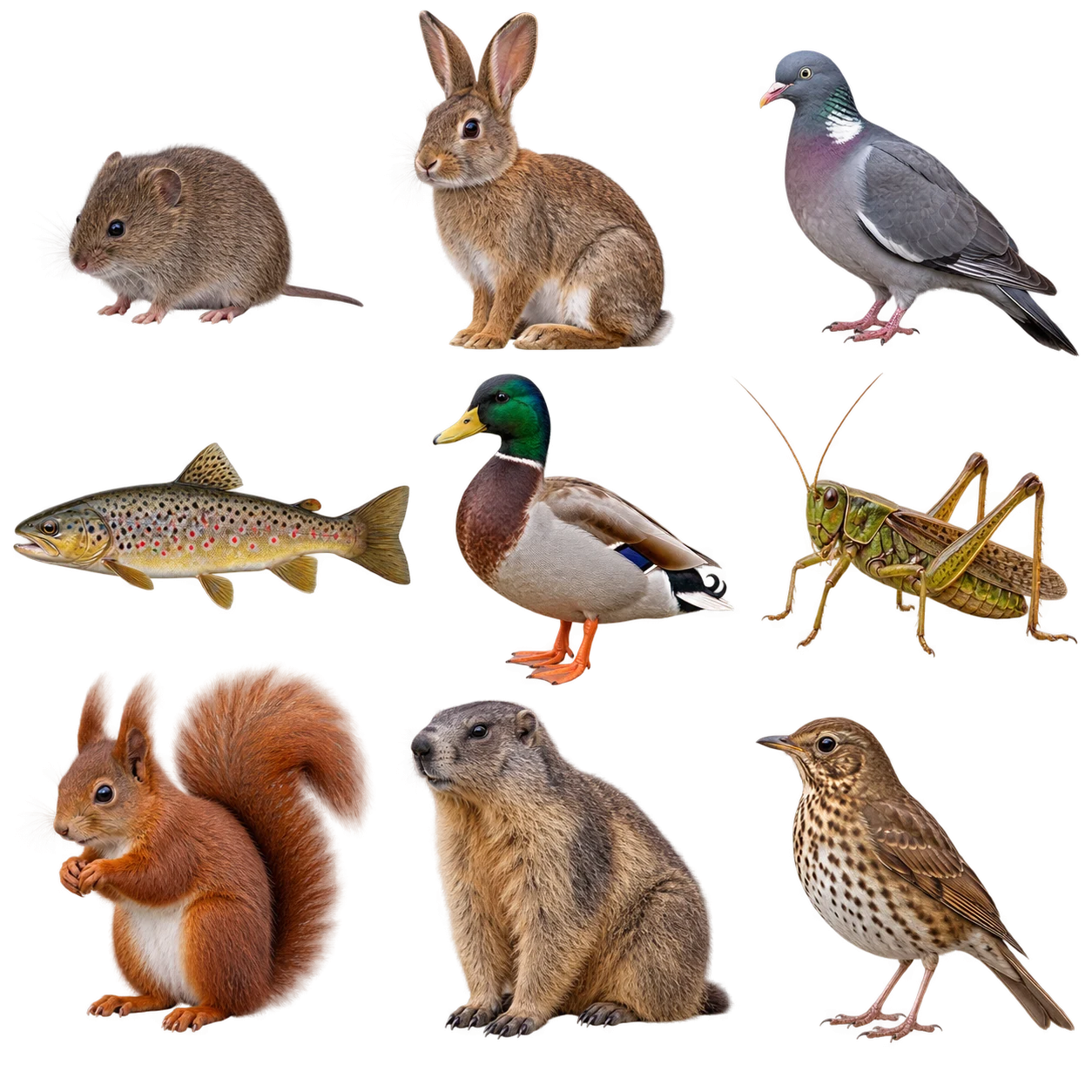
Prey examples
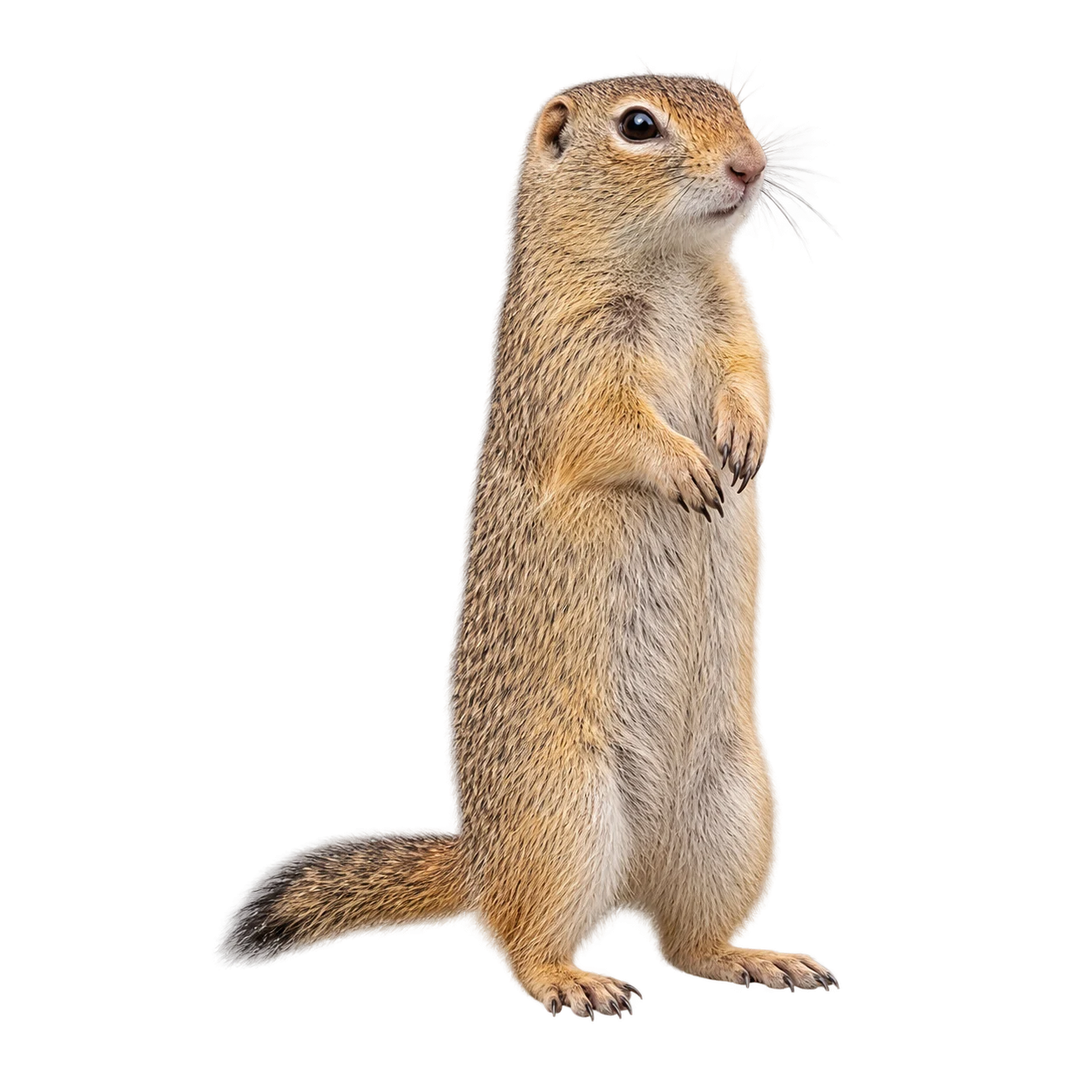
Ground squirrels
Voles
Pigeons
SongbirdsThe Saker Falcon hunts mainly small mammals and birds. Their share varies greatly between regions and with the local prey supply.
Hunting
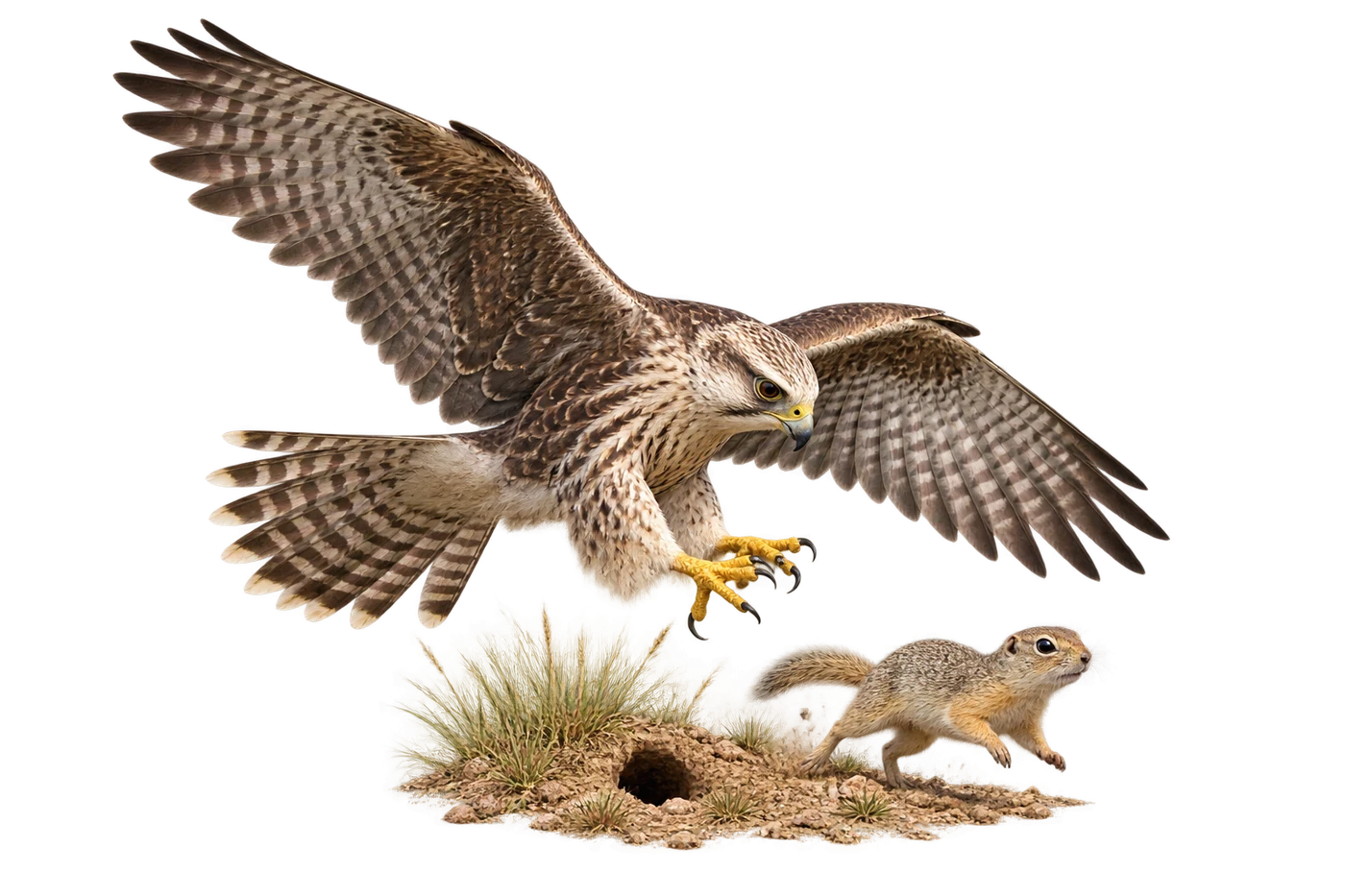
In low, fast flight it scans open areas for small mammals and birds. It seizes prey on the ground or pursues flushed birds in the air.
Distribution
Range
Europe & Asia; also winters in Africa
Status in Germany
Habitat
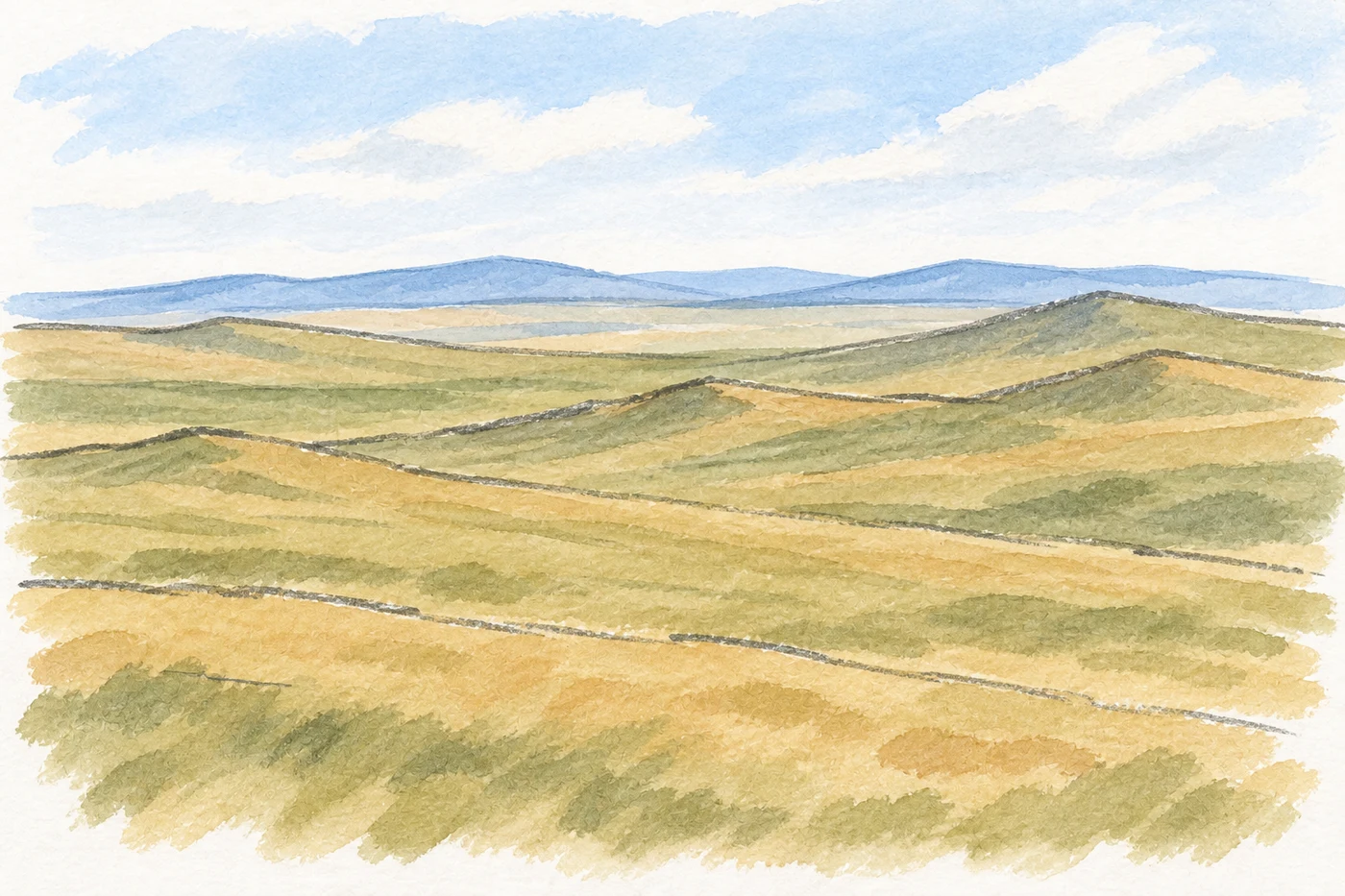
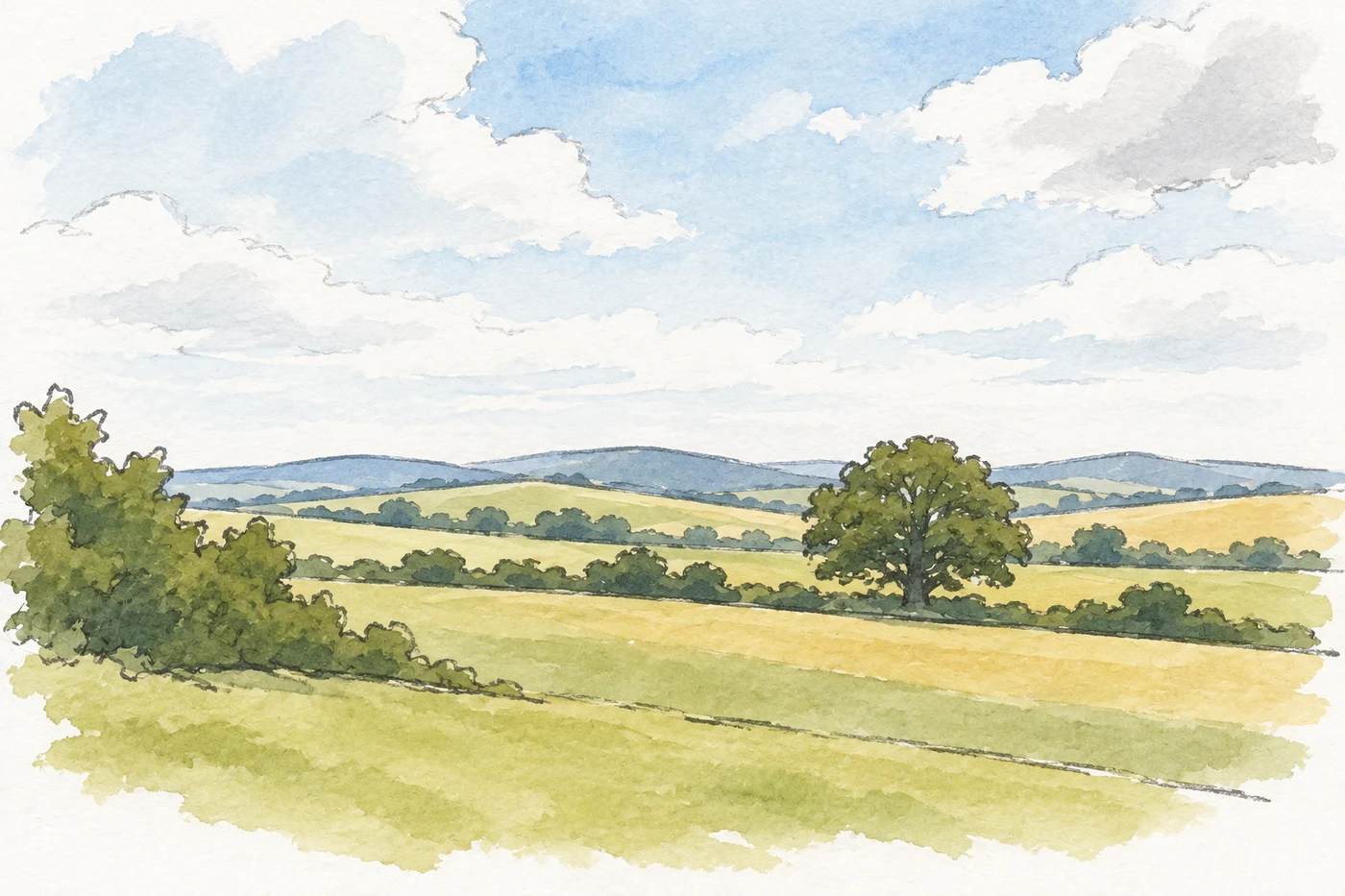
Steppes, short-grazed pastures and open farmland. Uses cliffs and abandoned nests in trees or on pylons.