Bald Eagle

Haliaeetus leucocephalus
Wingspan

180–230cm

Body length

70–100cm

Weight

3,000–4,500g

Profile

Life expectancy
Clutch size
1–3 eggs
Global status
Activity
Migration

Identification

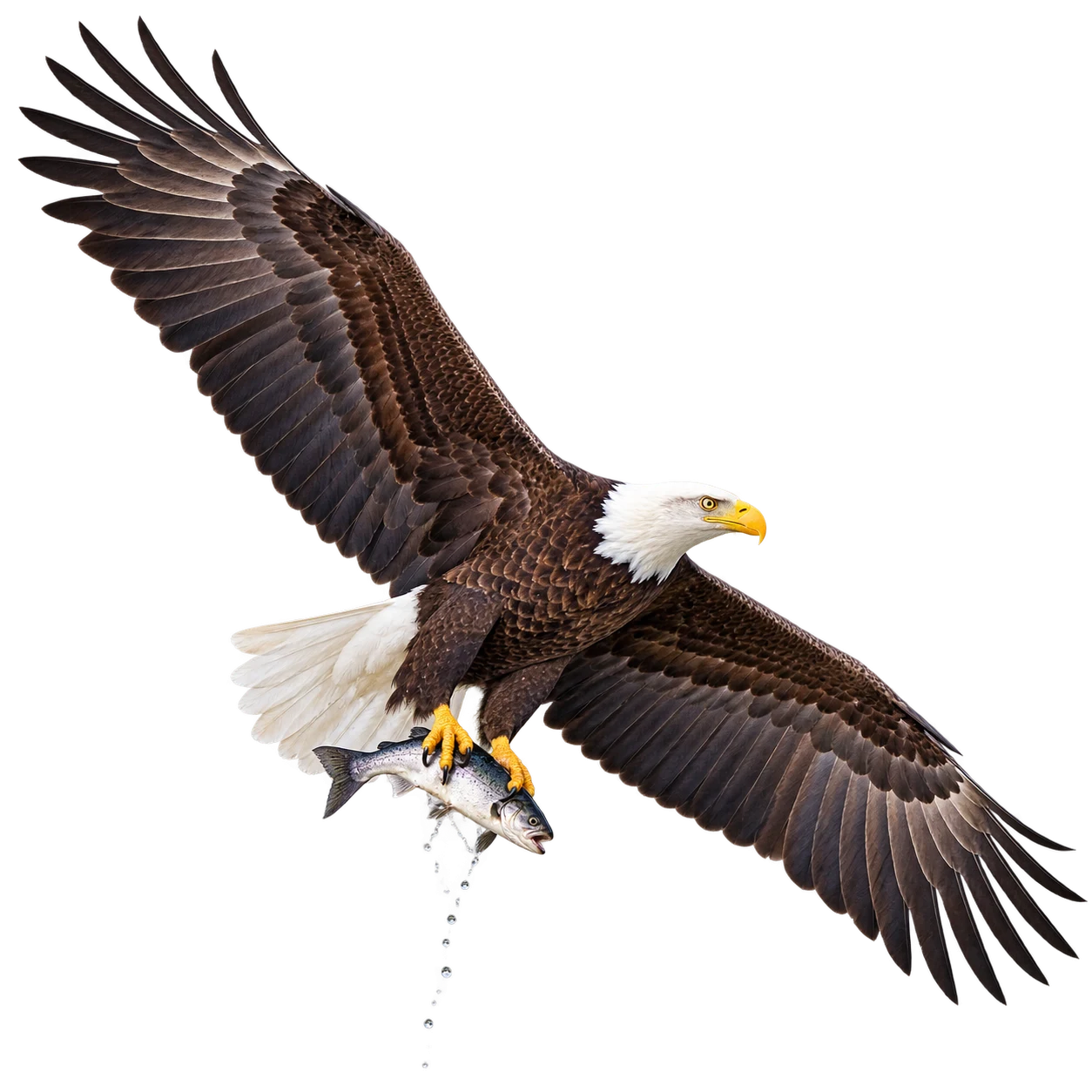
The white head is a sign of age, not a feature of every life stage. Young Bald Eagles are brown with irregular pale mottling. In flight the broad wings and the powerful head, held far forward, are striking.

Colours

Plumage
Eyes
Legs & feet

Adult

White head and tail above a dark brown body. Both sexes wear this adult plumage; females are larger on average.

Behaviour

Where fish or other food are concentrated, many eagles can gather. The bond to a nest site, by contrast, can be very lasting. Large old trees serve as lookouts and resting places.

Breeding & rearing

Pairs build huge stick nests, usually close to the trunk of a tall tree. Both collect material. Old nests are often added to year after year; in regions with few trees, birds also nest on cliffs or on the ground.

Diet

Prey examples

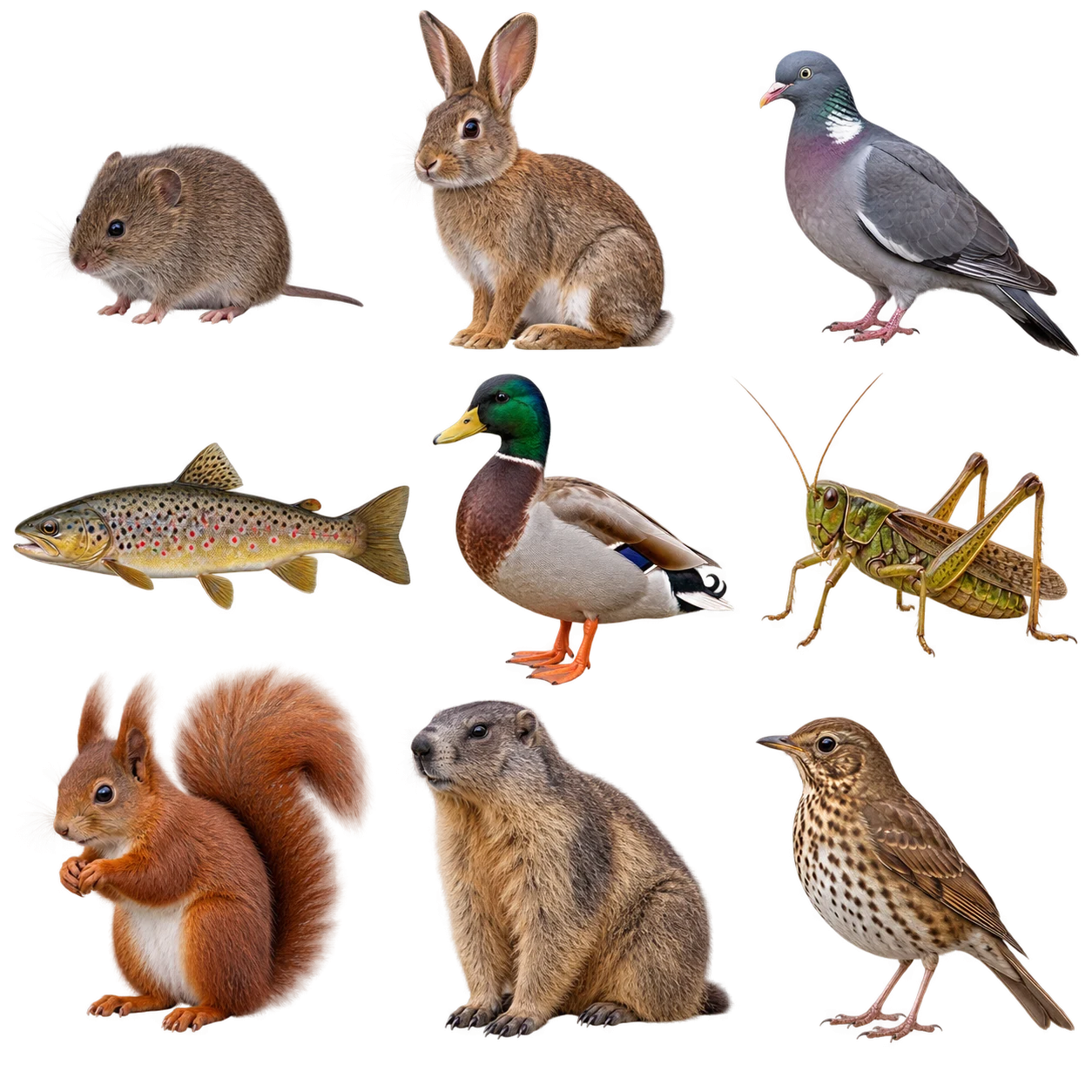
Fish

Fish usually form the core of its diet. Depending on place and season it supplements them with waterbirds, smaller mammals and carrion.

Occasional

Waterbirds
Rabbits

Hunting

Bald Eagle: Fishing · Perch hunting · Search flight · Food piracy · Scavenging

From a tree or in search flight it watches the water surface. It seizes fish with talons extended, but also takes carrion or steals prey from other birds.

Distribution

Range

North America

Habitat

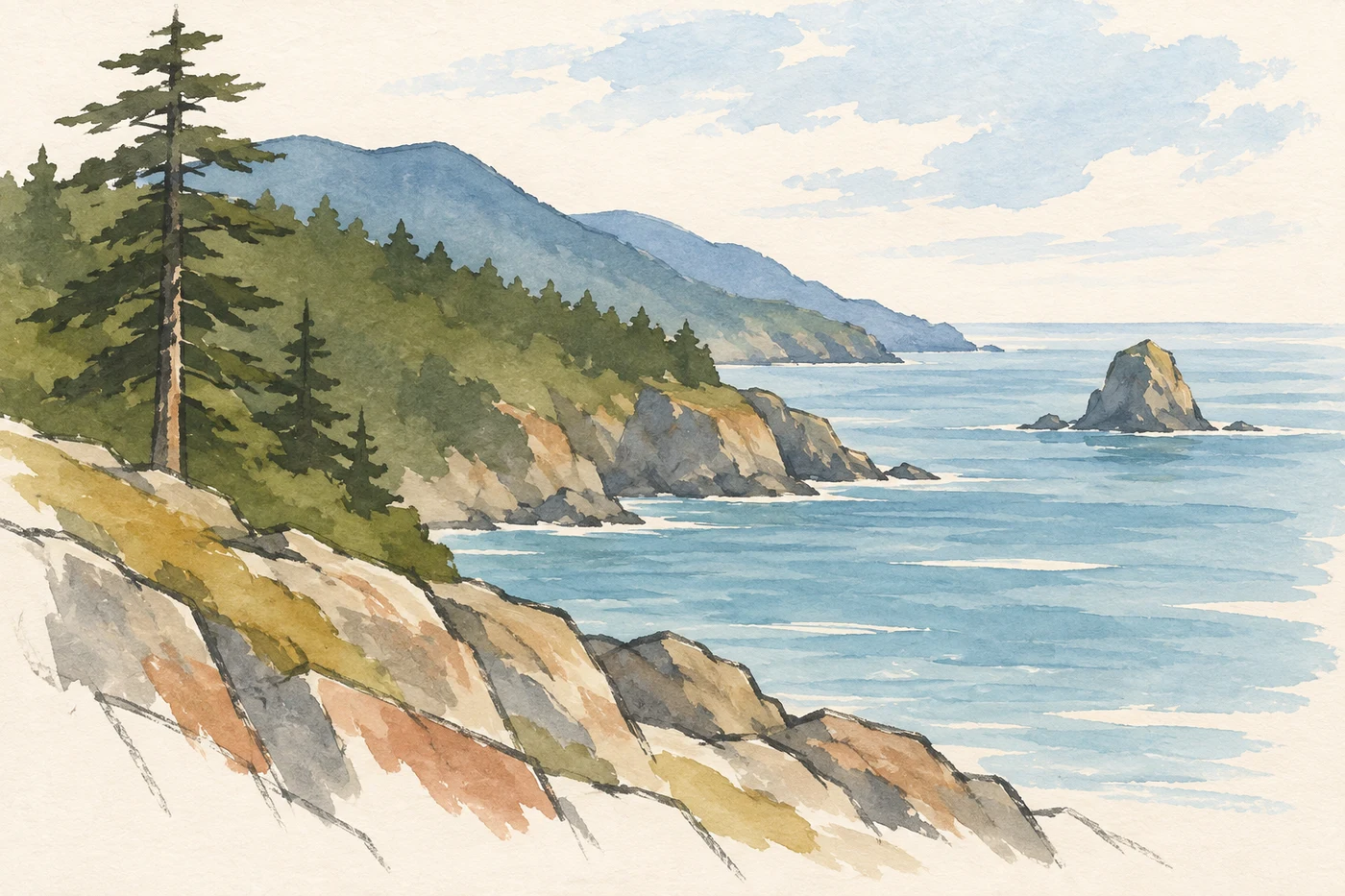
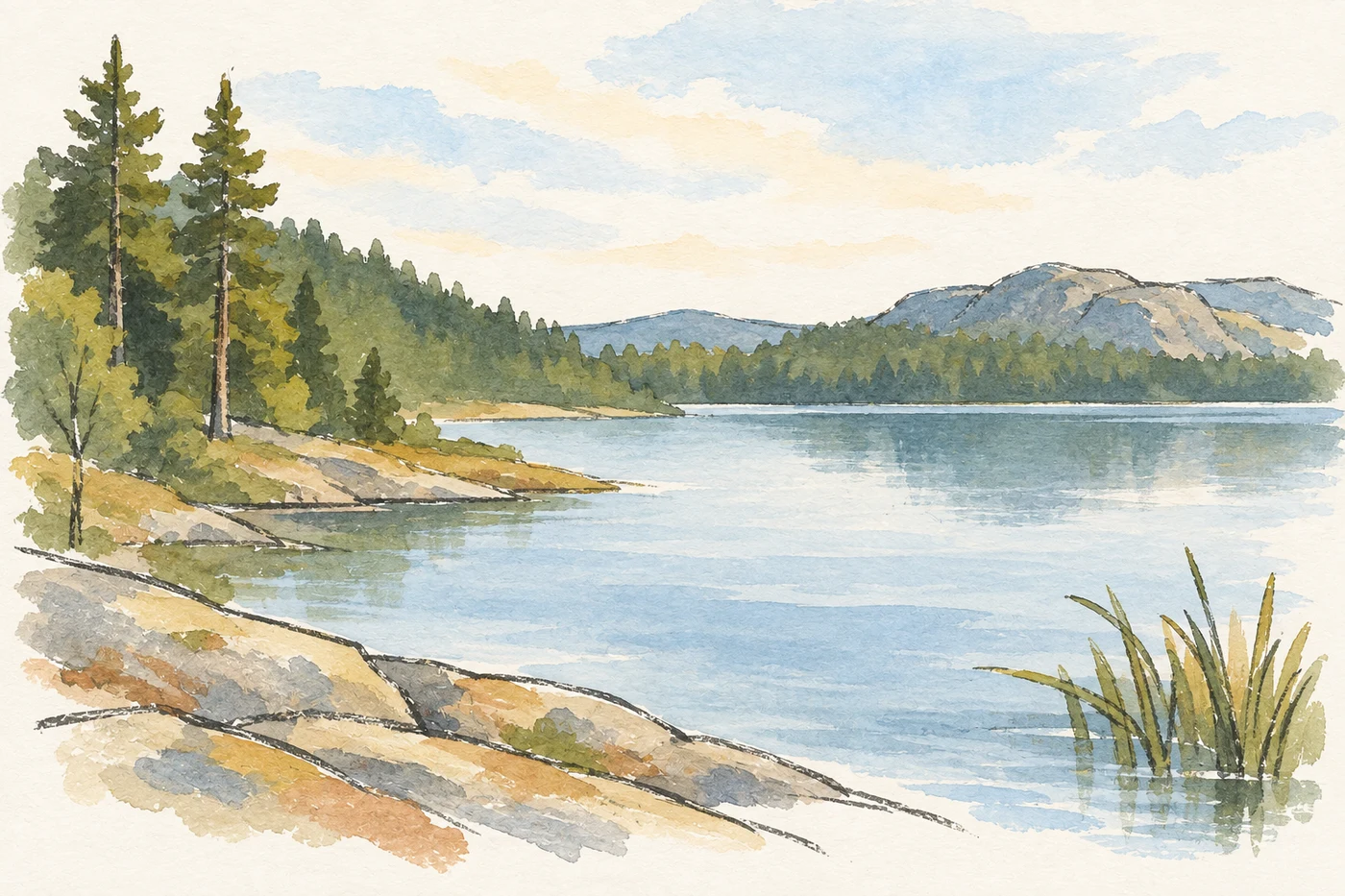
Lakes, rivers, wetlands and coasts rich in fish, with large trees for nesting and perching.
Bald Eagle