Harpy Eagle

Harpia harpyja
Wingspan

175–225cm

Body length

85–105cm

Weight

4,000–6,000g

Profile

Life expectancy
Clutch size
1–2 eggs
Global status
Activity
Migration

Identification

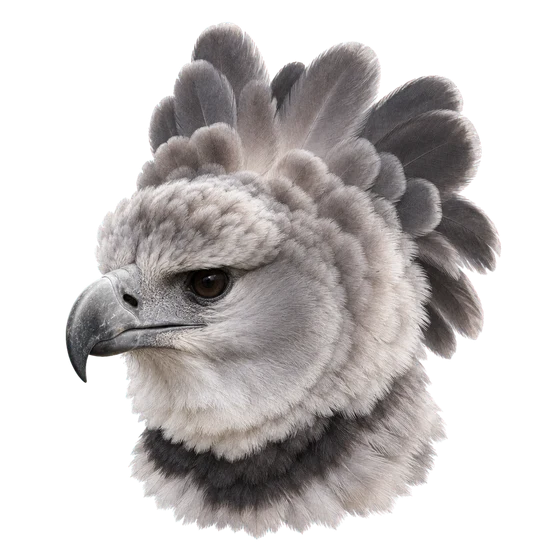
Broad, relatively short wings and a long tail are adapted to flying between treetops. The erectile, divided crest, grey head and dark breast band characterise the adult. The talons are exceptionally powerful.

Colours

Plumage
Eyes
Legs & feet

Adult

Grey head with a double crest, dark breast band and white belly. The feathered thighs are barred dark; the iris can look grey to brown.

Behaviour

In dense forest the Harpy Eagle easily stays hidden despite its size. Long periods resting on a perch alternate with short flights. Preserving tall forest trees is particularly important for its way of life and reproduction.

Breeding & rearing

The massive stick nest is high in a large tree. Usually only one young bird is raised. It fledges after about five to six months and remains dependent for a long time; a pair therefore often breeds only every second year.

Diet

Prey examples

Sloths
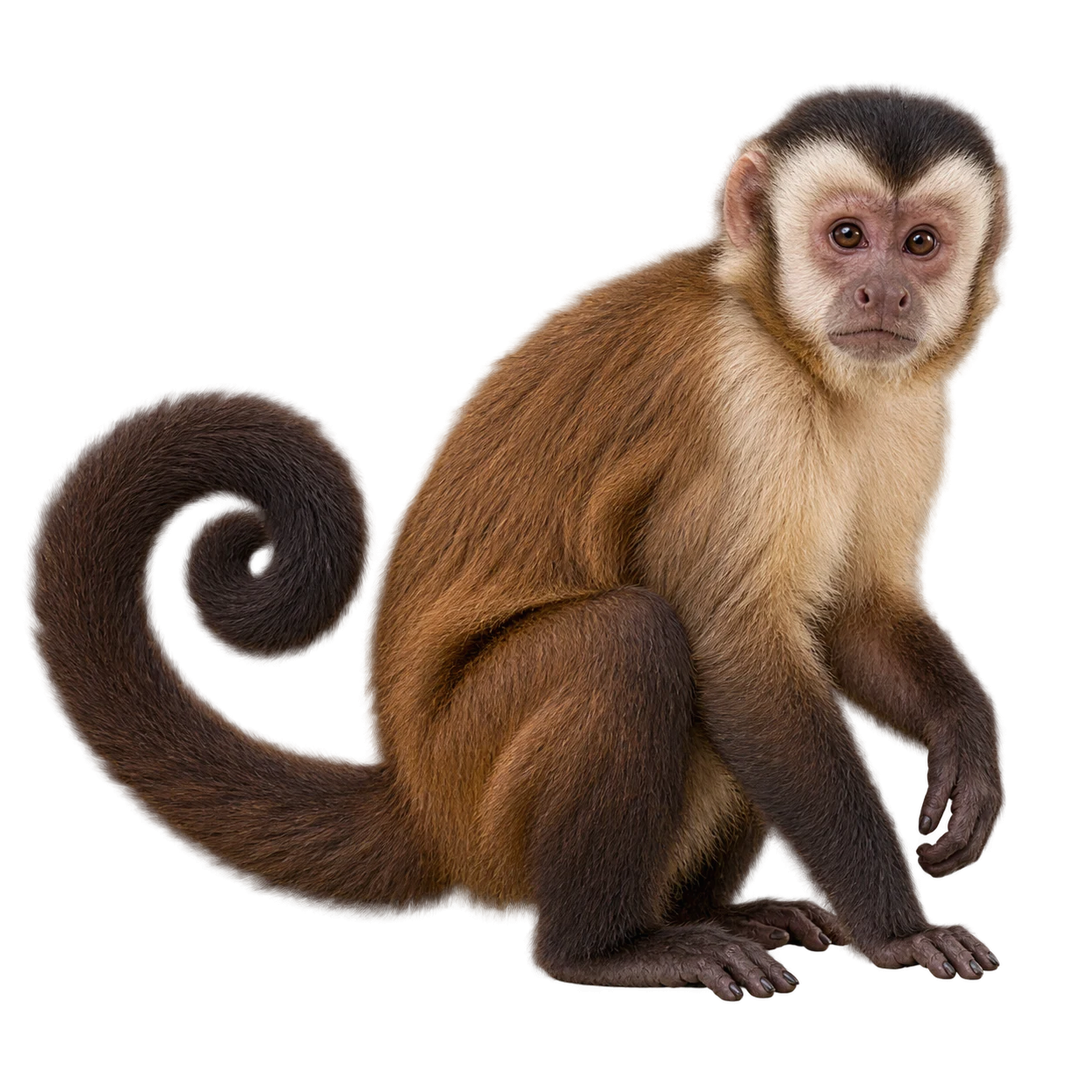
Monkeys

Sloths and monkeys form the core of its diet in many places. Regionally, opossums are also important; other mammals, birds and reptiles are added.

Hunting
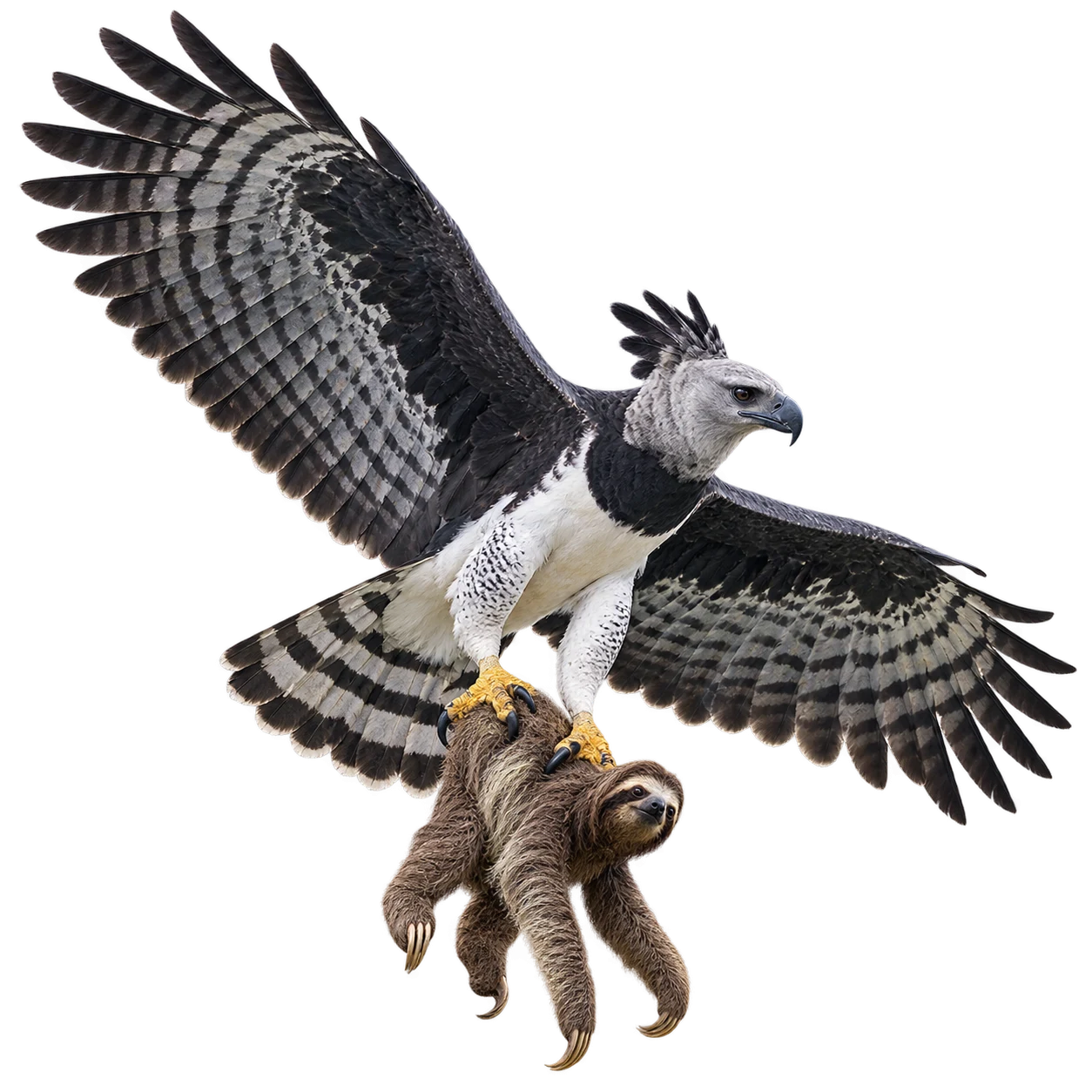
Harpy Eagle: Ambush hunting · Perch hunting

The harpy eagle often waits a long time on a perch, scanning the treetops for sloths or monkeys. With a short, powerful approach it grabs the prey with its huge talons.

Distribution

Range

Central & South America

Habitat

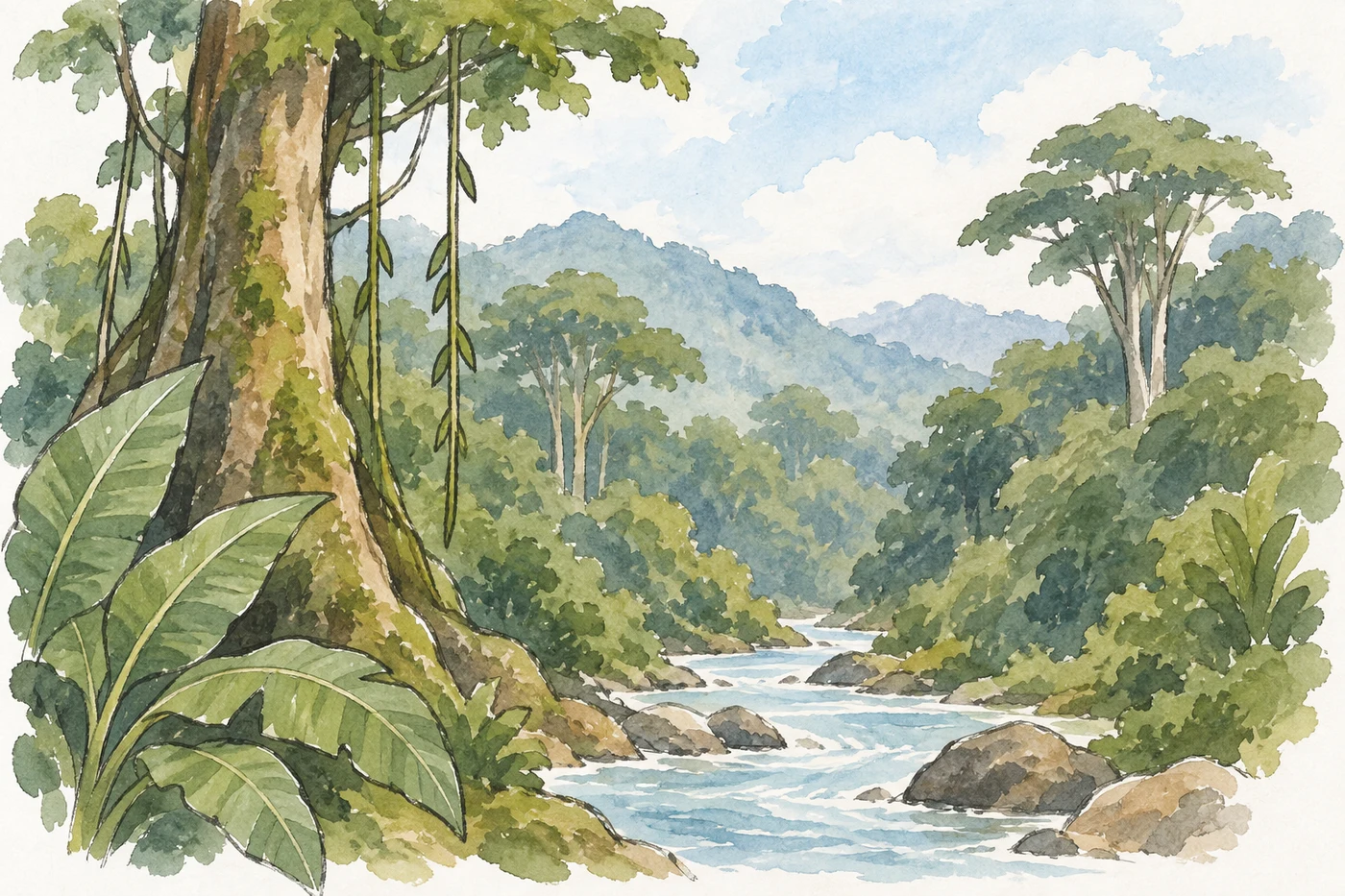
Large, unbroken tropical lowland forests with old, tall trees.
Harpy Eagle