Crested Caracara
120–130cm
50–65cm
900–1,300g
Profile
- Life expectancy
- Clutch size
- 1–4 eggs
- Global status
- Activity
- Migration
Identification
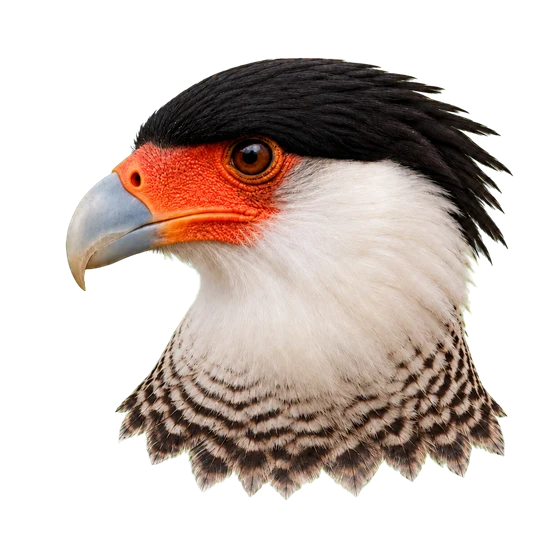
The black cap, pale neck sides and bare orange to red facial skin are striking. Long legs and an upright posture suit its frequent foraging on the ground. In flight, pale areas show on the wings and tail.
Colours
Adult
Black crest, pale neck, dark body and pale wing patches. Facial skin and legs are yellowish orange to orange; the southern form is shown.
Behaviour
It regularly walks and runs on the ground and often takes off only after a few steps. Pairs stay together for long periods. Outside the breeding season, several birds may gather at plentiful food sources.
Breeding & rearing
Unlike many true falcons, the Crested Caracara builds its own nest of twigs. A tall tree, cactus or similar site is used. Both partners collect material and may reoccupy a proven nest site.
Diet
Prey examples
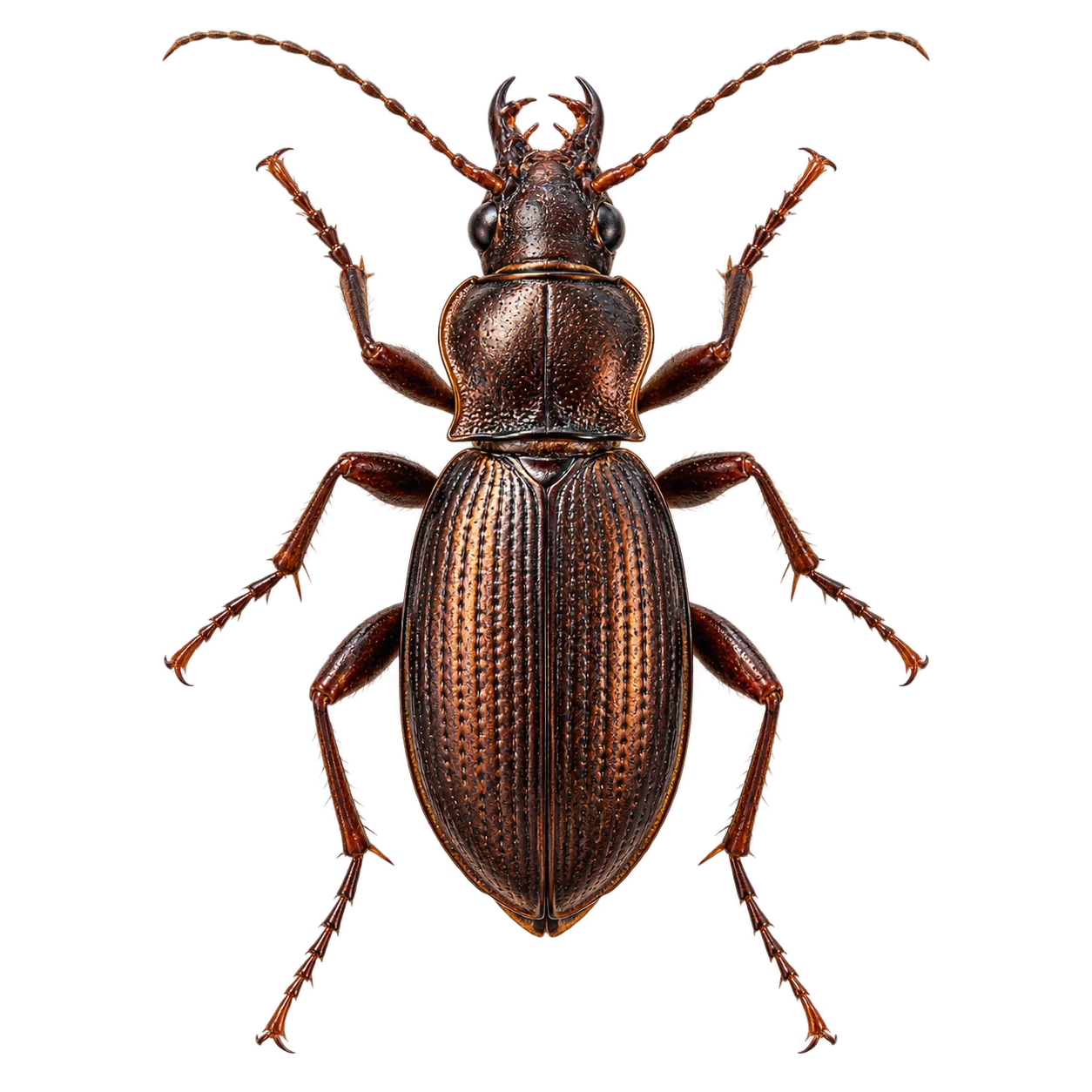
Beetles
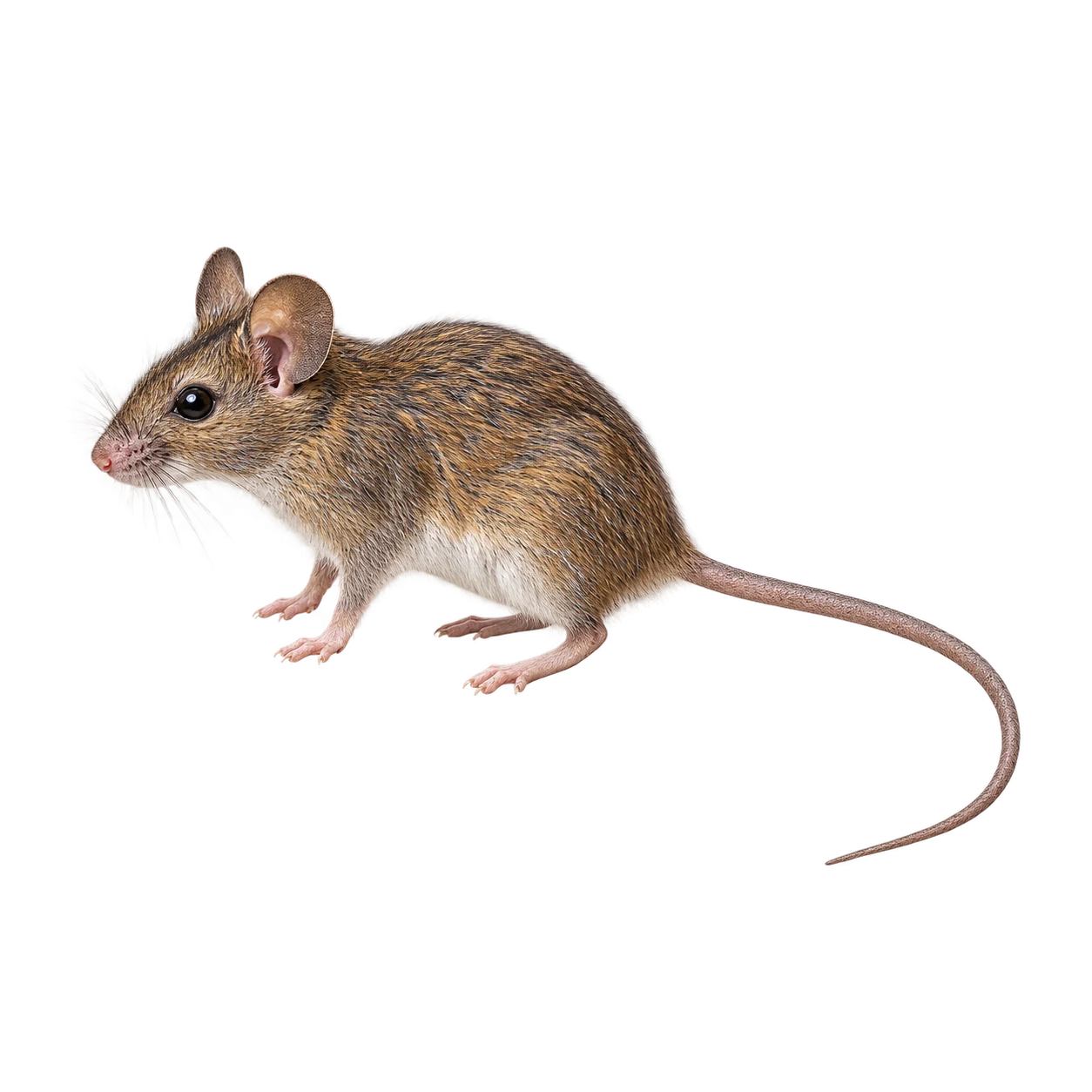
Mice
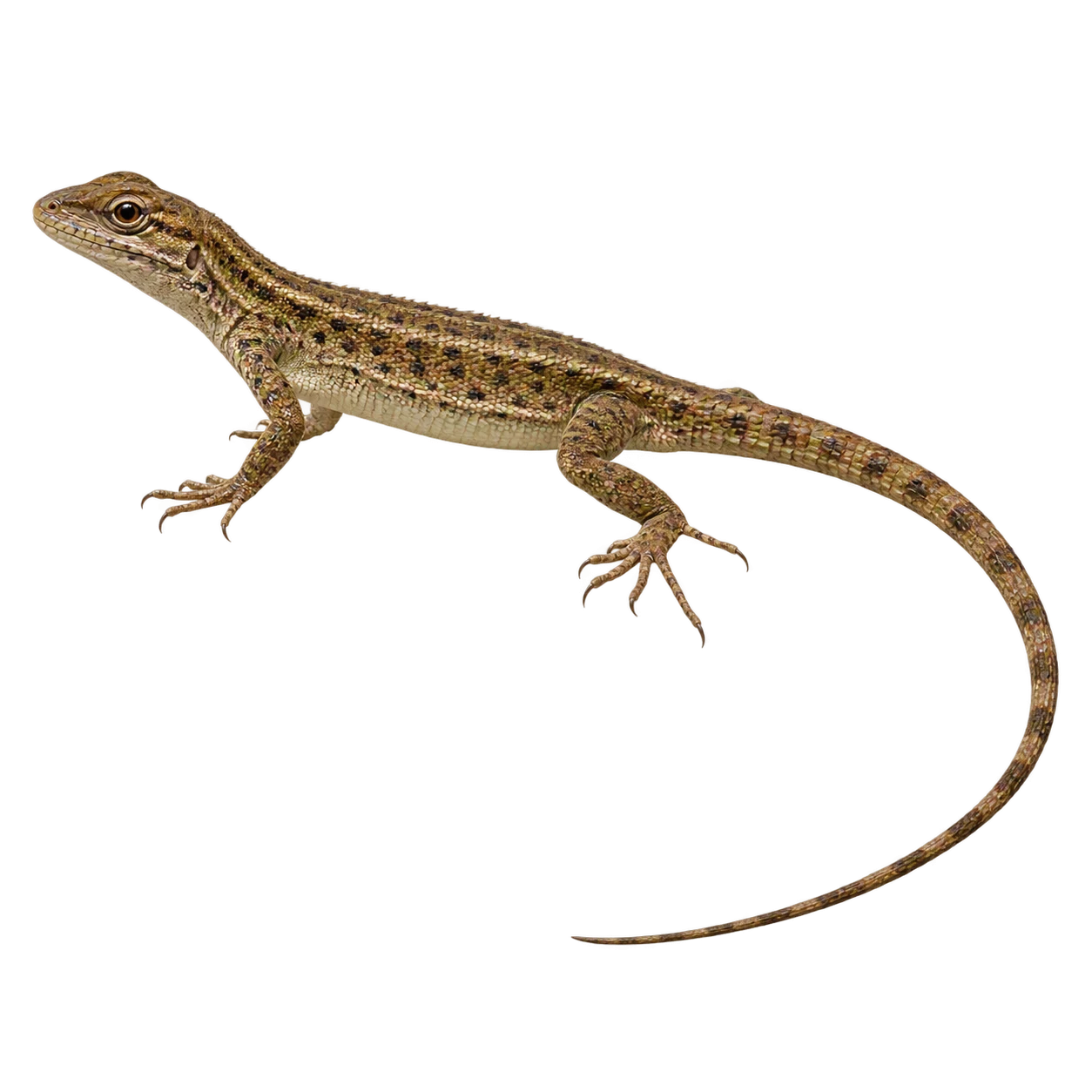
LizardsThe Crested Caracara is a versatile forager for which carrion often plays a major role. It also catches insects and various small vertebrates.
Hunting
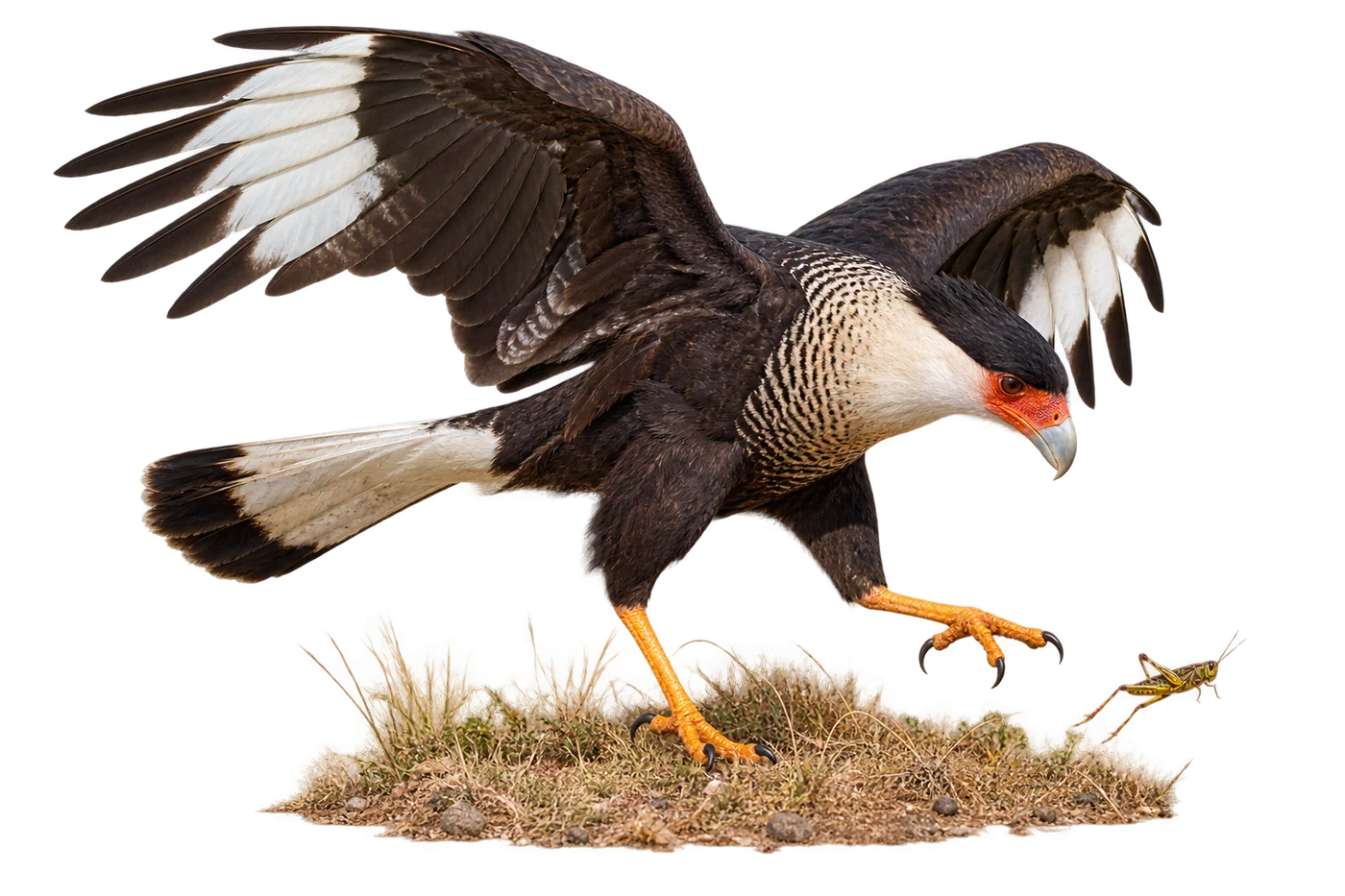
On long legs it walks across open areas and seizes small animals on the ground. With its feet it also turns over loose material to find food hidden underneath.
Distribution
Range
Southern USA to Tierra del Fuego
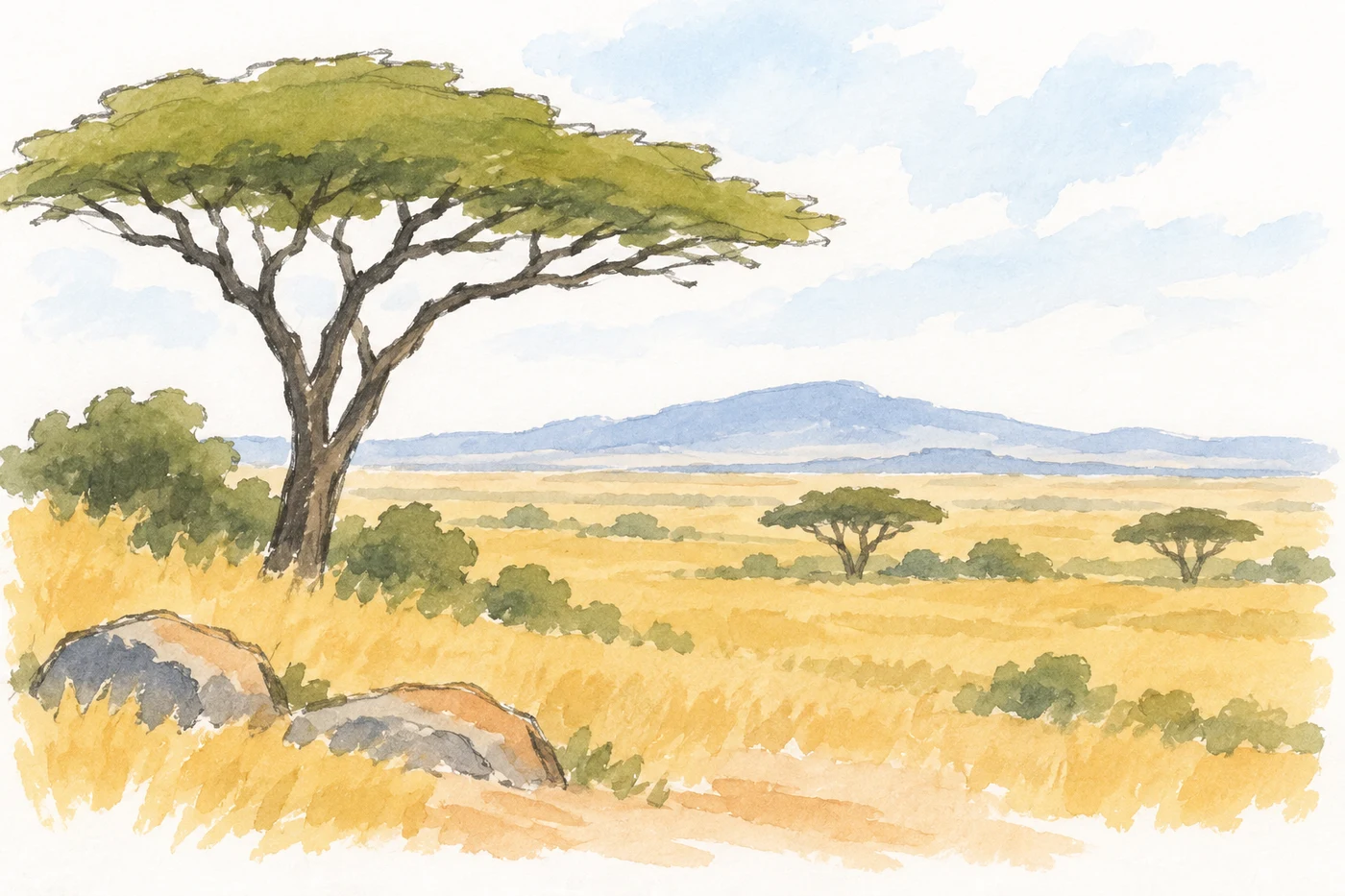
Habitat
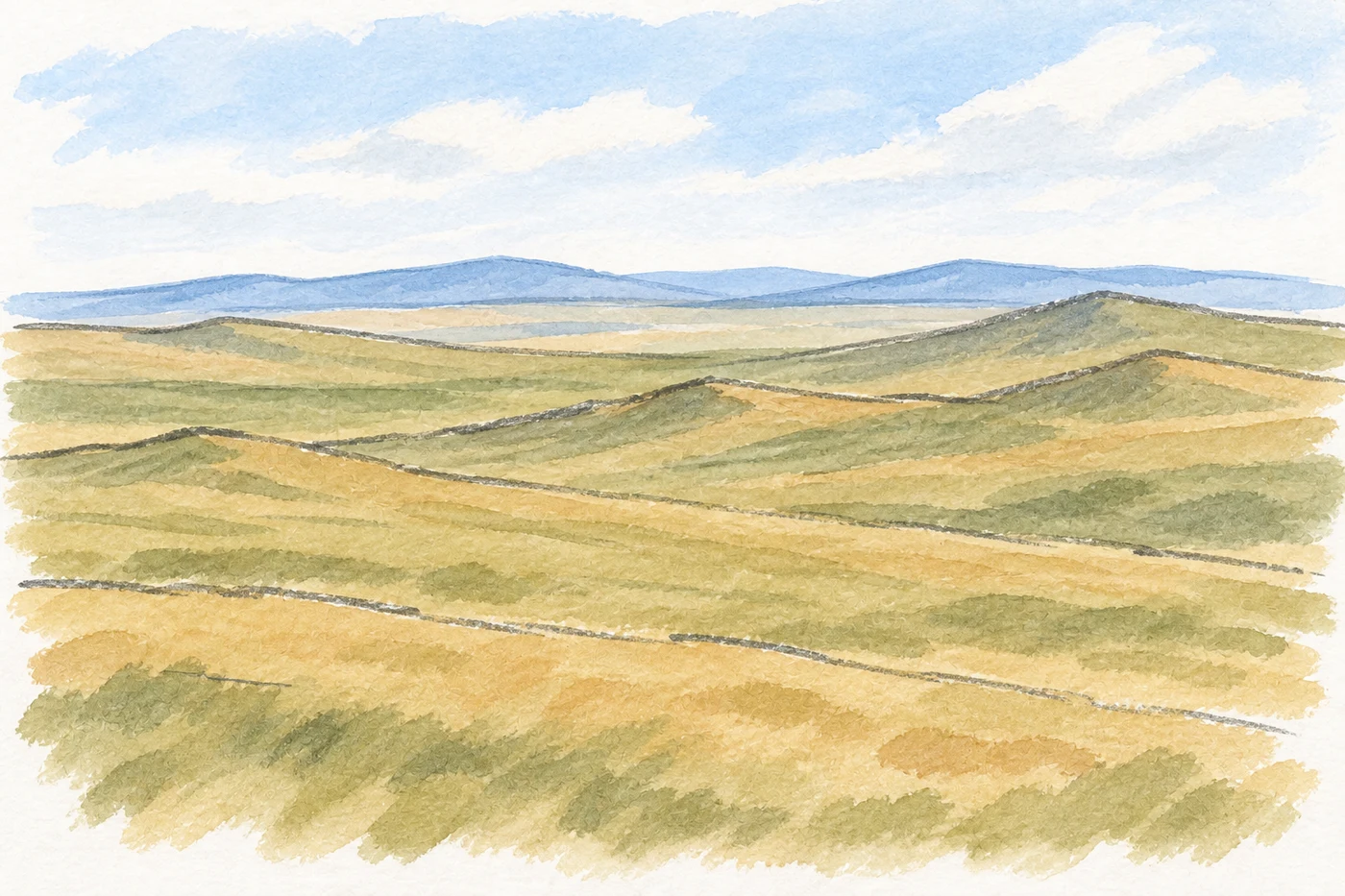
Open pastures, savannahs, farmland and semi-deserts with scattered trees. Avoids dense ground vegetation.