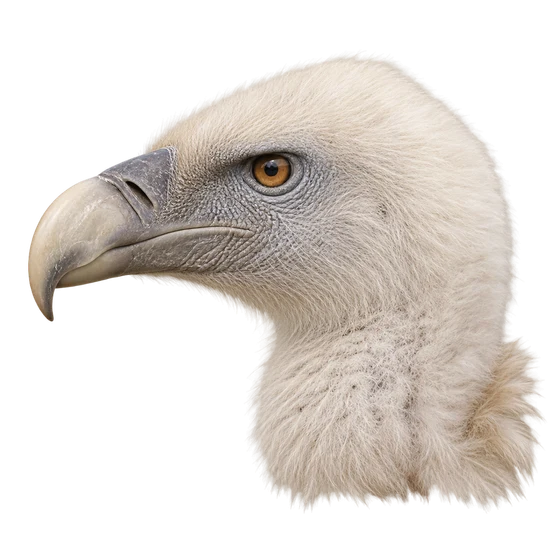
Griffon Vulture
230–265cm
95–110cm
6,000–9,000g
Profile
- Life expectancy
- Clutch size
- 1 egg
- Global status
- Activity
- Migration
Identification
Very broad wings with pale coverts and dark flight feathers; short tail and a small head drawn in during flight. Adults have a pale neck ruff, juveniles a brown one.
Colours
Adult
Pale neck ruff, horn-coloured bill and sandy-brown wing coverts above dark flight feathers. The sexes are similarly coloured.
Behaviour
It uses updrafts for long search flights. Many vultures often gather at carcasses, settling their places with threat displays and harsh calls.
Breeding & rearing
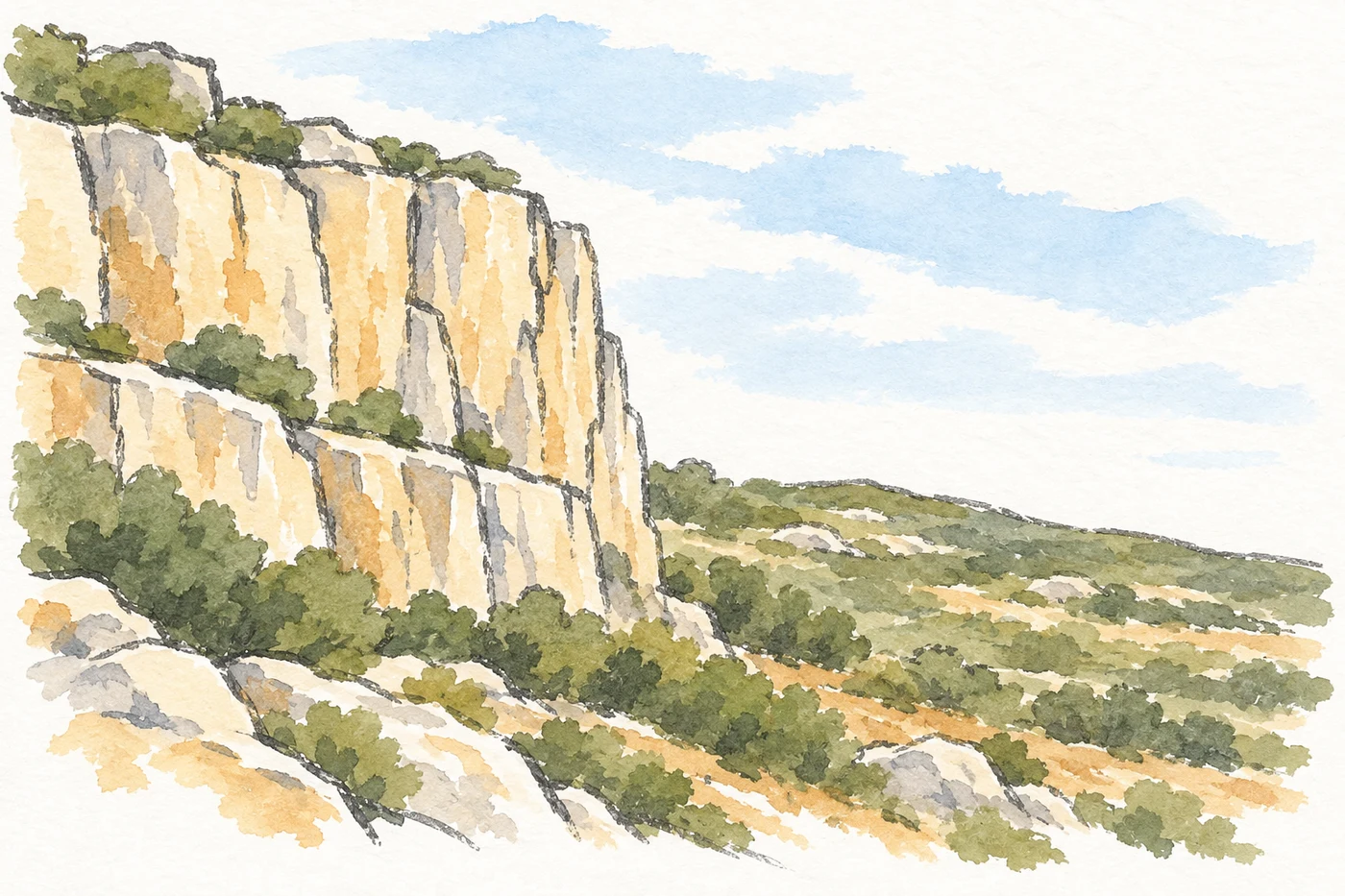
Usually breeds in colonies on sheltered rock ledges. Both parents incubate for about 52–58 days and feed the chick for several months.
Diet
Prey examples
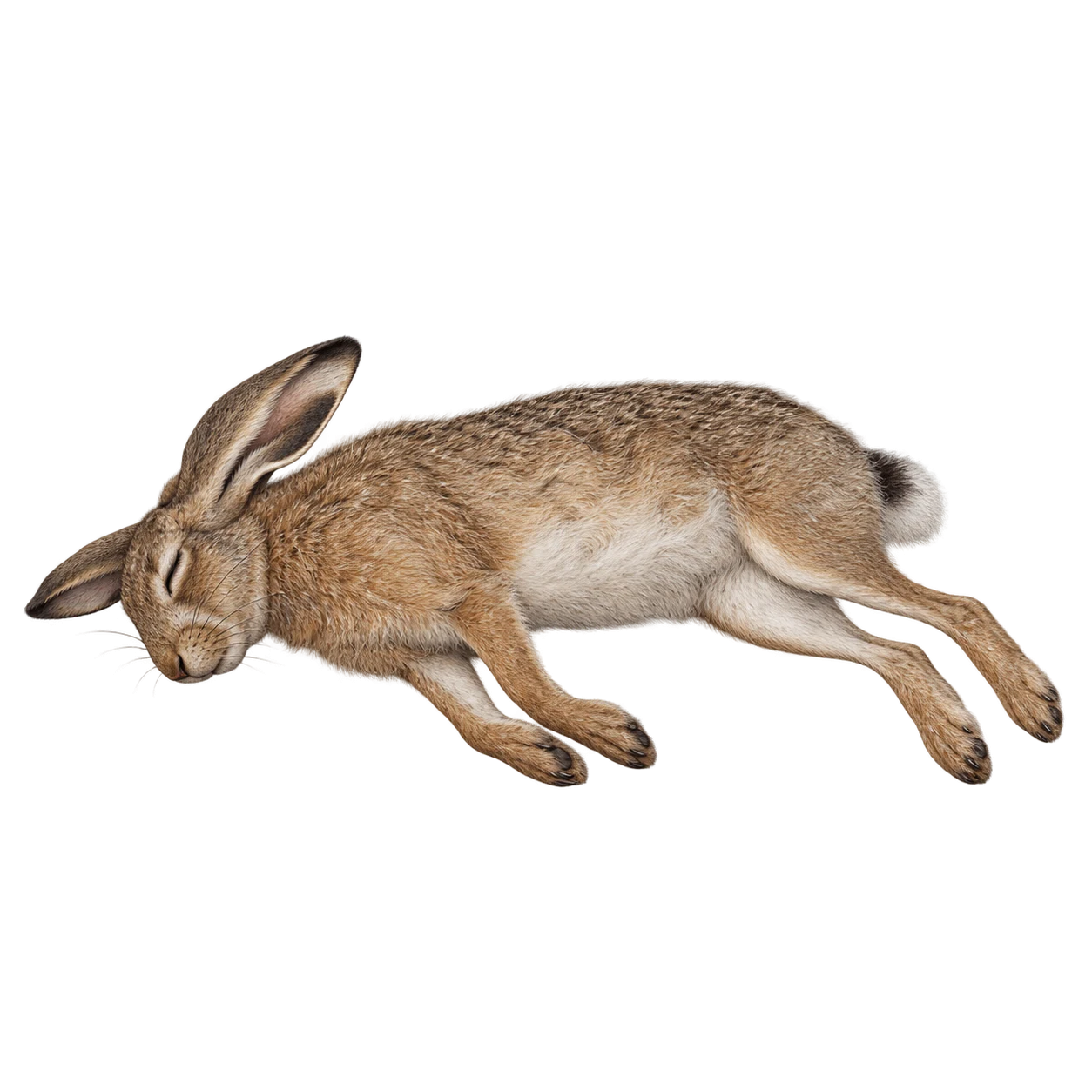
CarrionIt feeds mainly on the meat and offal of dead large mammals. Carcasses of livestock and wild ungulates provide the main diet.
Hunting
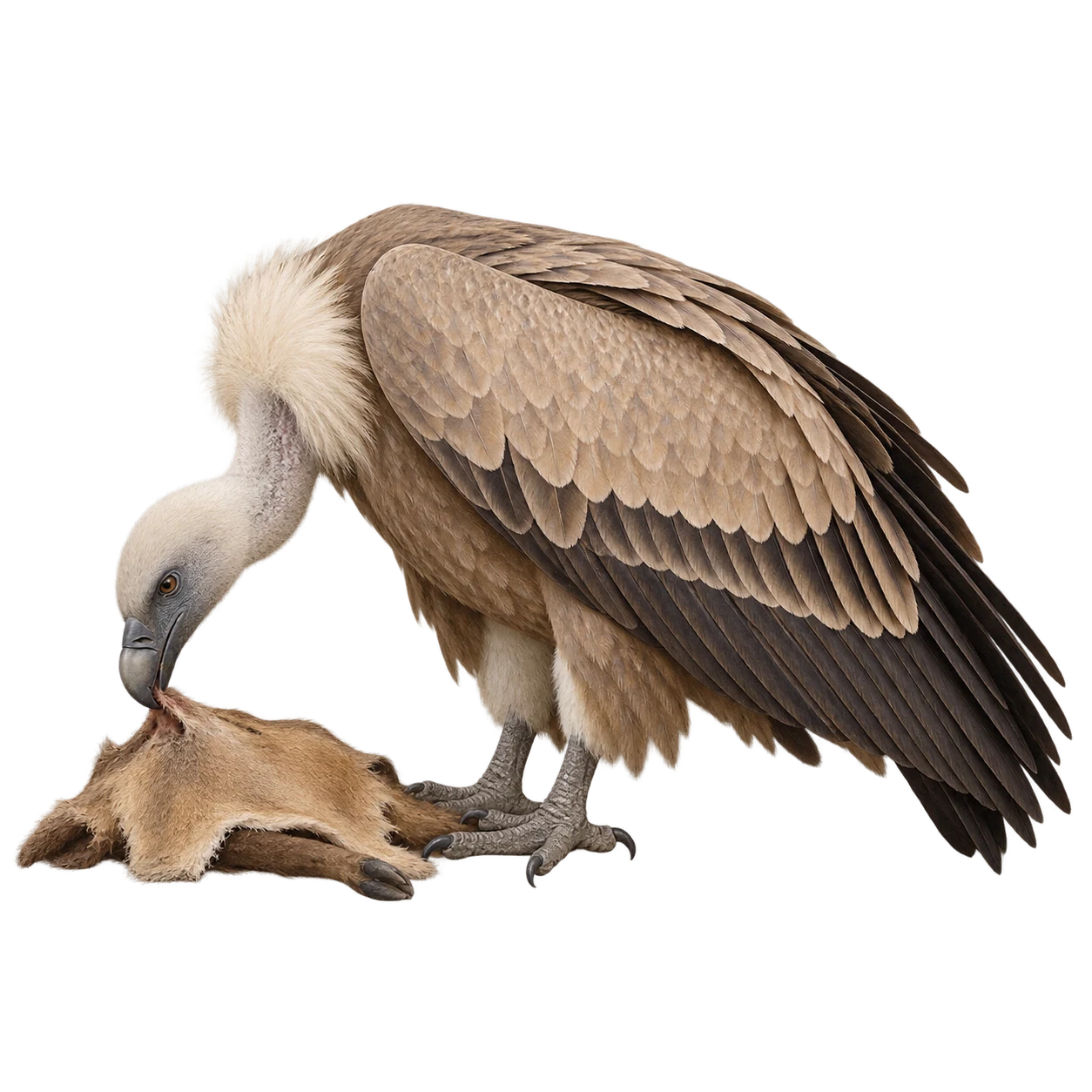
It gains height on thermals and scans wide areas. When one vulture finds a carcass, others often follow. Its long neck reaches the soft parts inside.
Distribution
Range
Southern Europe, North Africa & Asia
Status in Germany
Habitat
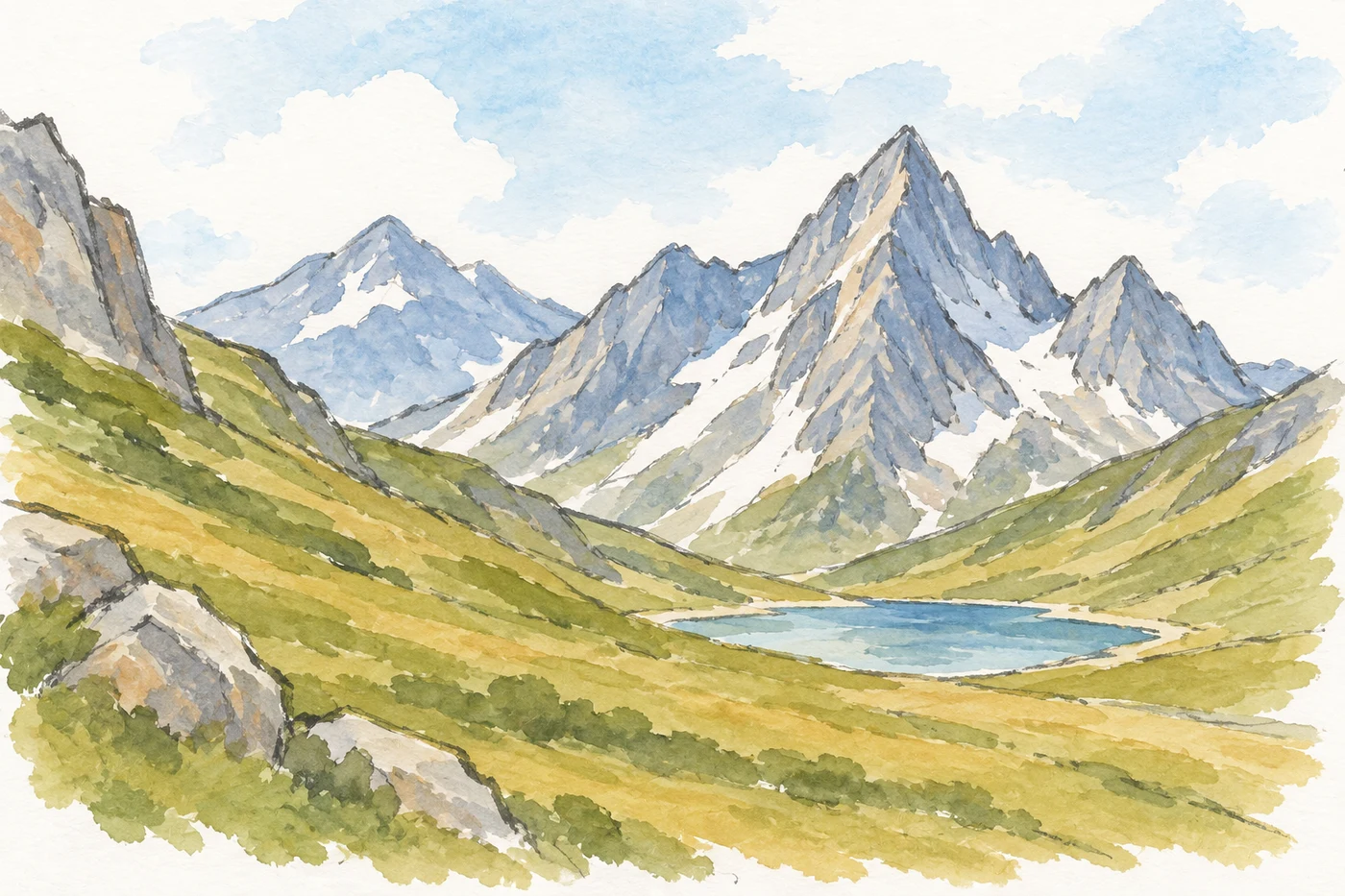
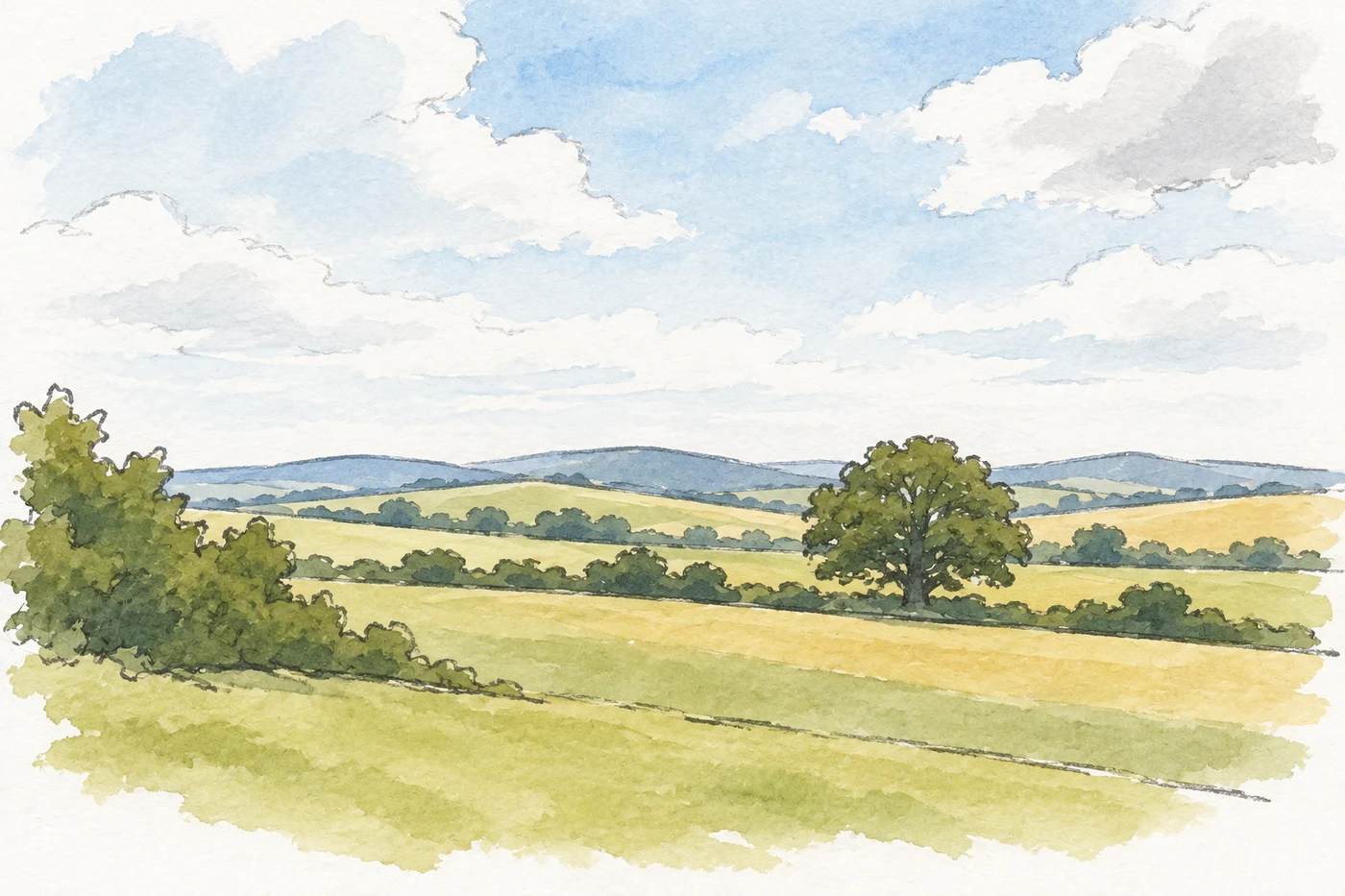
Open grazing land and mountains with cliffs and gorges as breeding and roosting sites.