African Fish Eagle

Icthyophaga vocifer
Wingspan

175–210cm

Body length

65–75cm

Weight

2,100–3,600g

Profile

Life expectancy
Clutch size
Usually 2 eggs
Global status
Activity
Migration

Identification

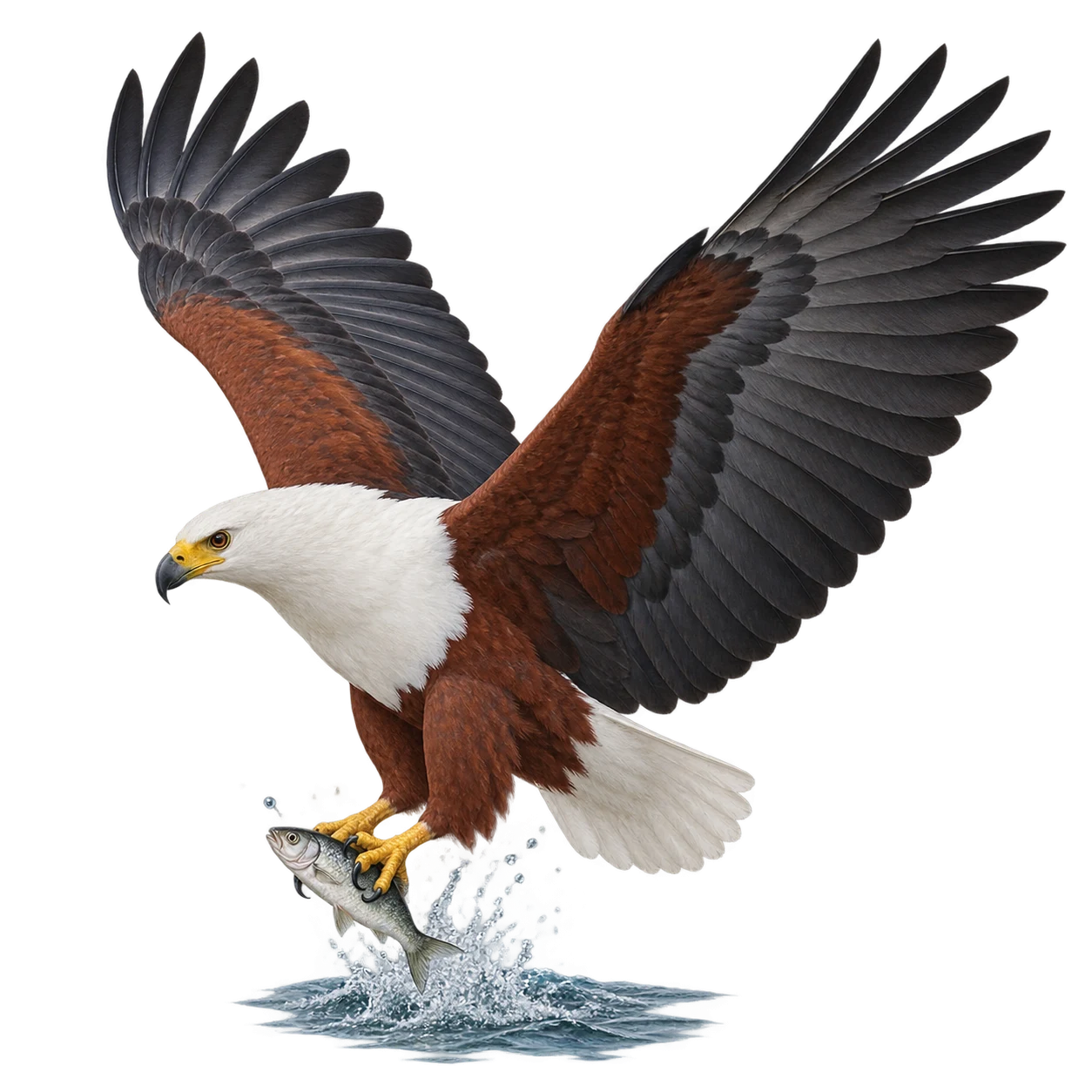
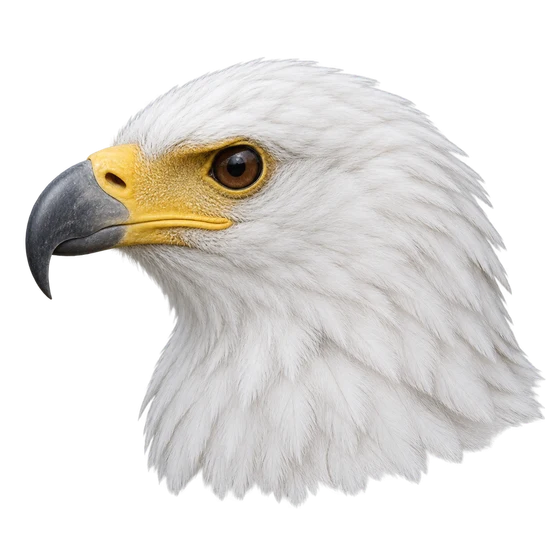
The white head continues over the neck and upper breast. It also has a chestnut belly, dark flight feathers and a short white tail. Juveniles are brown with pale spots.

Colours

Plumage
Eyes
Legs & feet

Adult

White head, neck, upper breast and tail; chestnut belly and black flight feathers. The female is similarly coloured.

Behaviour

Pairs often stay together by the water. When giving their far-carrying calls, they throw their heads back; adults are largely faithful to their territory.

Breeding & rearing

The pair builds a large stick nest in a tree near the water and often uses it for years. The young hatch after about 45 days; both parents help to feed them.

Diet

Prey examples

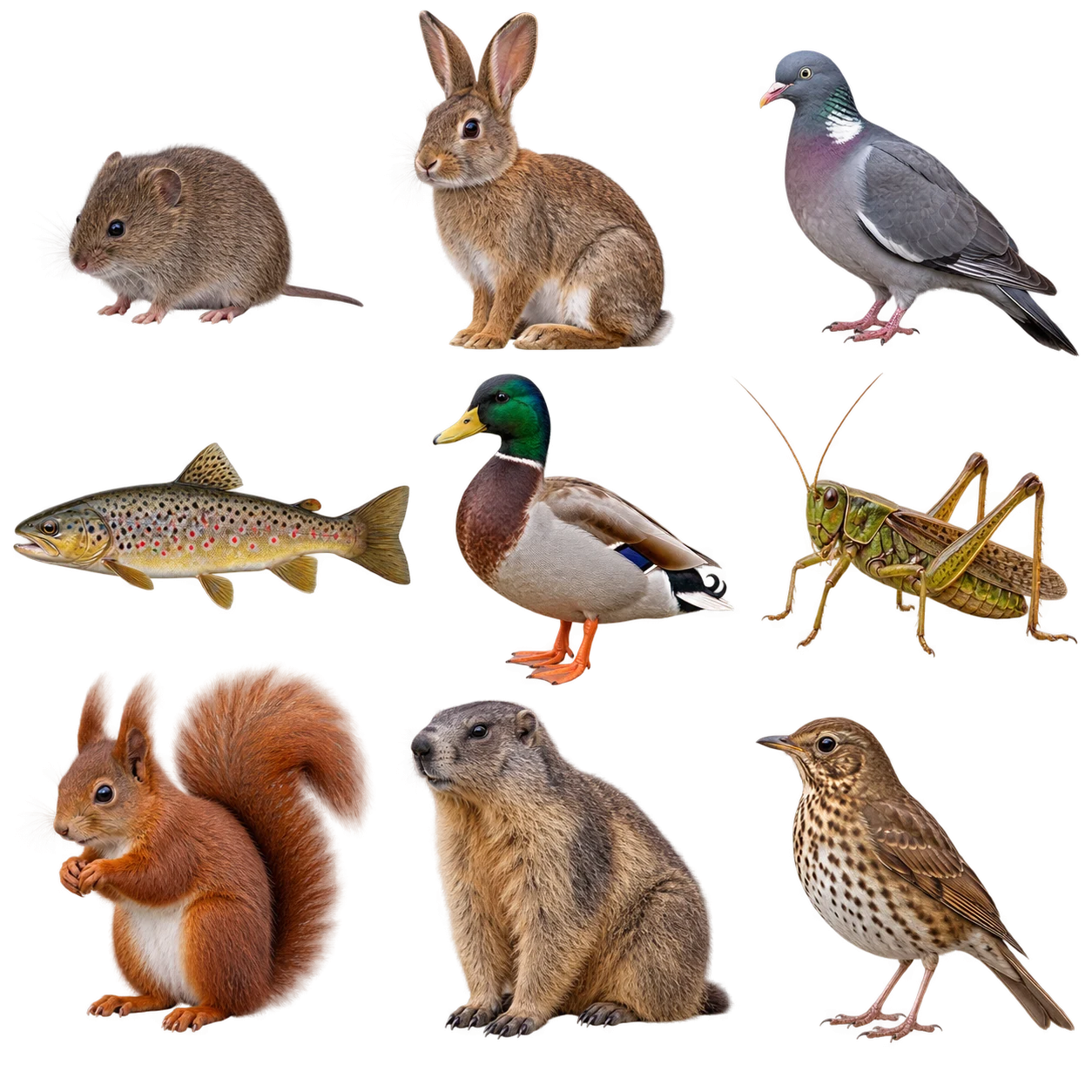
Fish

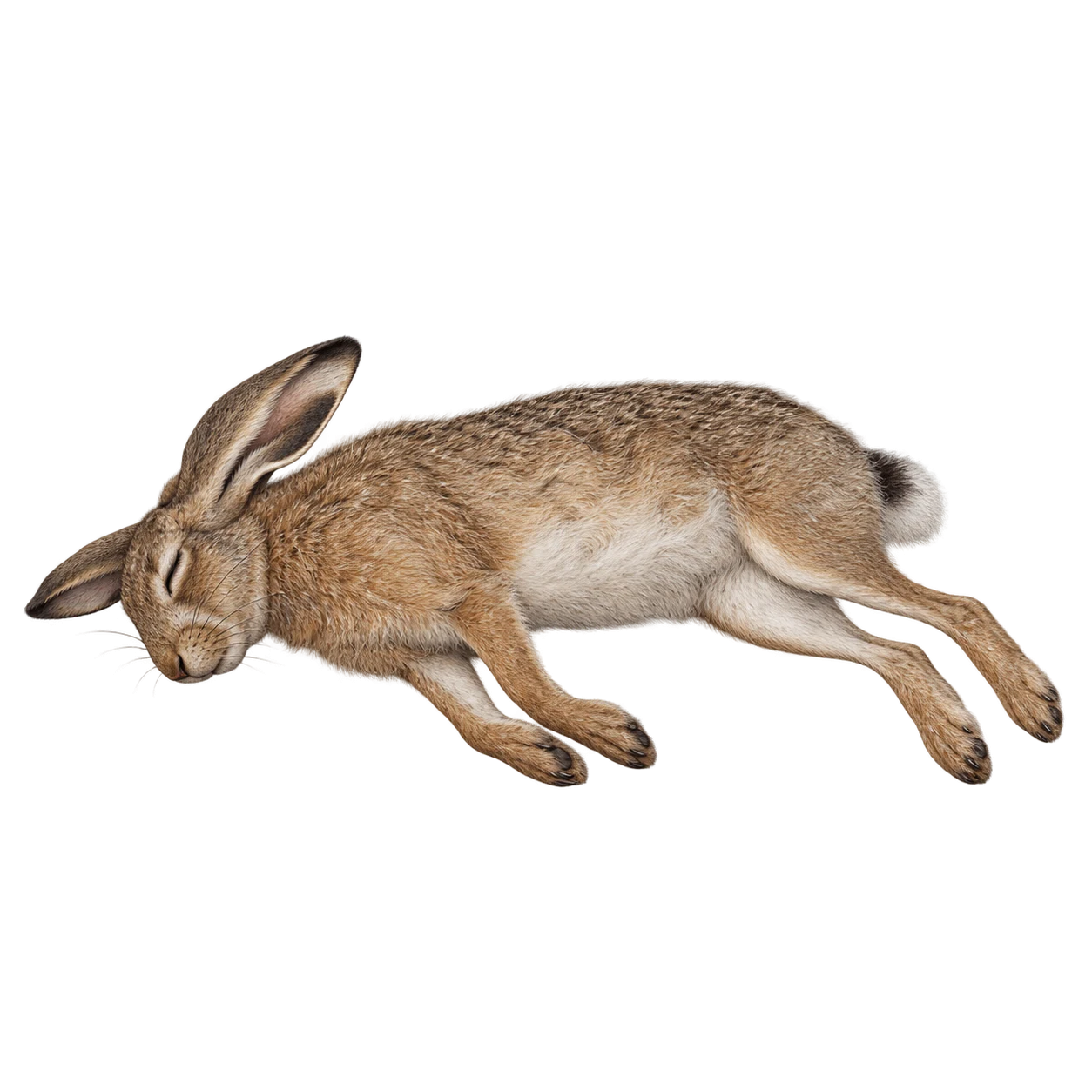
Fish make up the main diet. Depending on availability it also takes waterbirds, smaller vertebrates and carrion; sometimes it steals other birds' catches.

Occasional

Waterbirds
Carrion

Hunting

African Fish Eagle: Fishing · Perch hunting · Search flight · Food piracy · Scavenging

From a perch or in flight it spots fish near the surface. It strikes with talons extended; heavy fish are dragged to the shore. Occasionally it steals prey from other birds.

Distribution

Range

Sub-Saharan Africa

Habitat

Lakes, rivers and wetlands rich in fish with tall perch trees, locally also coasts and lagoons.
African Fish Eagle