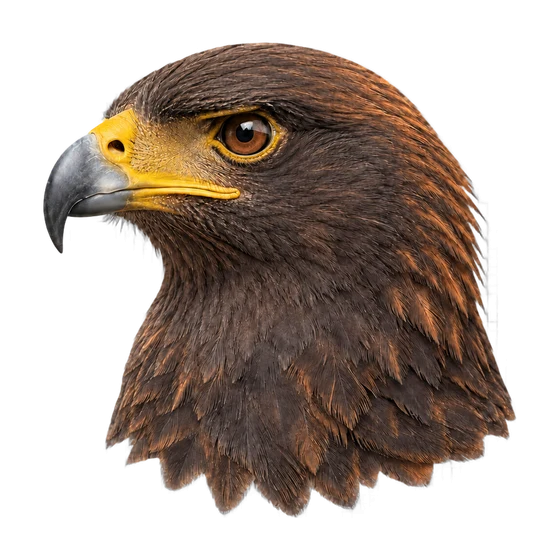
Harris's Hawk

Parabuteo unicinctus
Wingspan

105–120cm

Body length

45–60cm

Weight

550–850g

Profile

Life expectancy
Clutch size
2–4 eggs
Global status
Activity
Migration
Falconry

Identification

The combination of a dark body, chestnut wing areas and a white-marked tail is characteristic. It has broad, rounded wings, a long tail and long legs. Females are larger on average.

Colours

Plumage
Eyes
Legs & feet

Adult

Dark brown body, chestnut shoulders and thighs. The long dark tail shows a white base and a broad white terminal band.

Behaviour

Harris’s Hawks often live in groups with a hierarchy. They perch close together and can support each other when hunting and defending their territory. This pronounced social behaviour sets them apart from many other raptors.

Breeding & rearing

The breeding pair builds a stick nest, for example in a tree or on a large cactus. Other group members may bring food. When food is plentiful, several broods a year are possible.

Diet

Prey examples

Rabbits
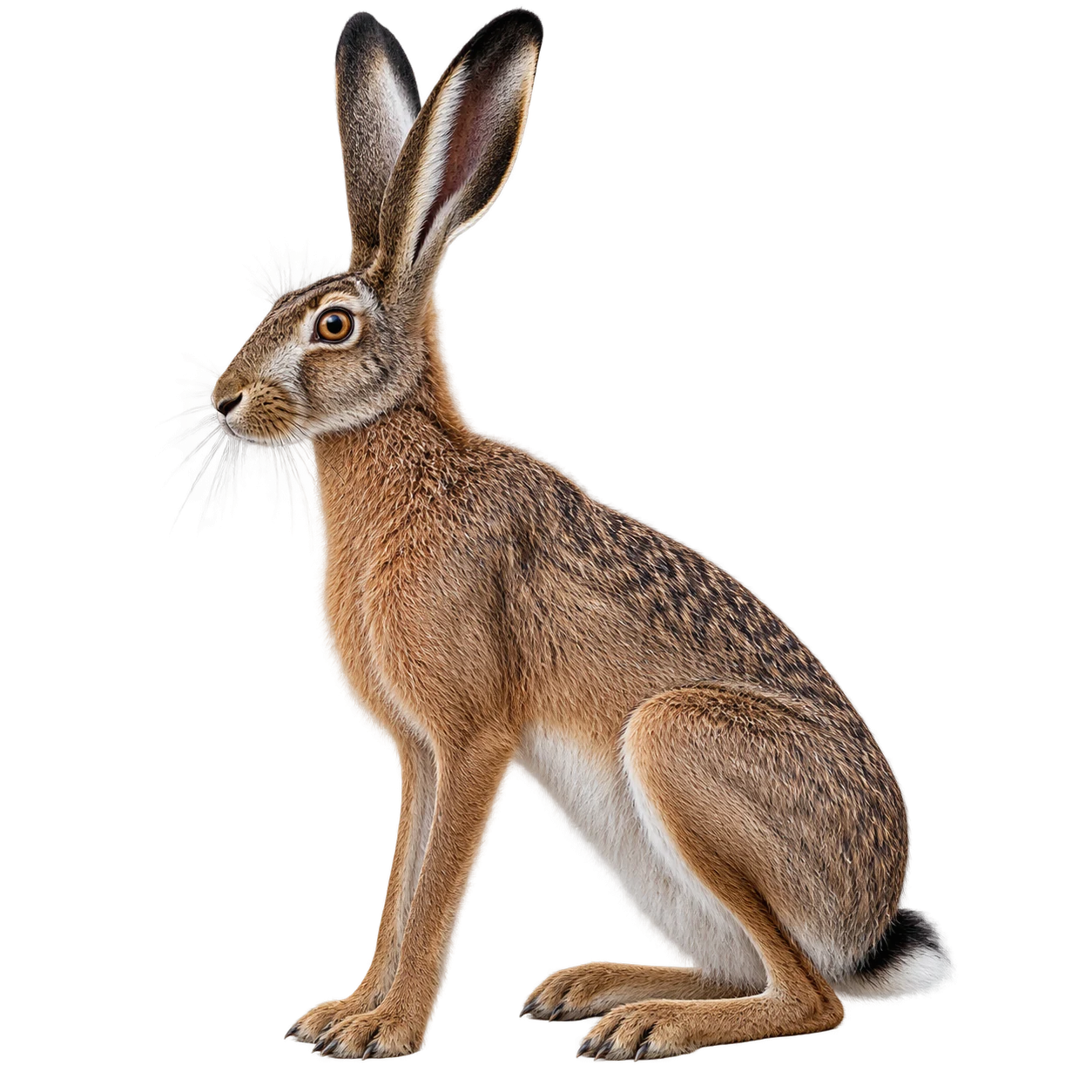
Hares
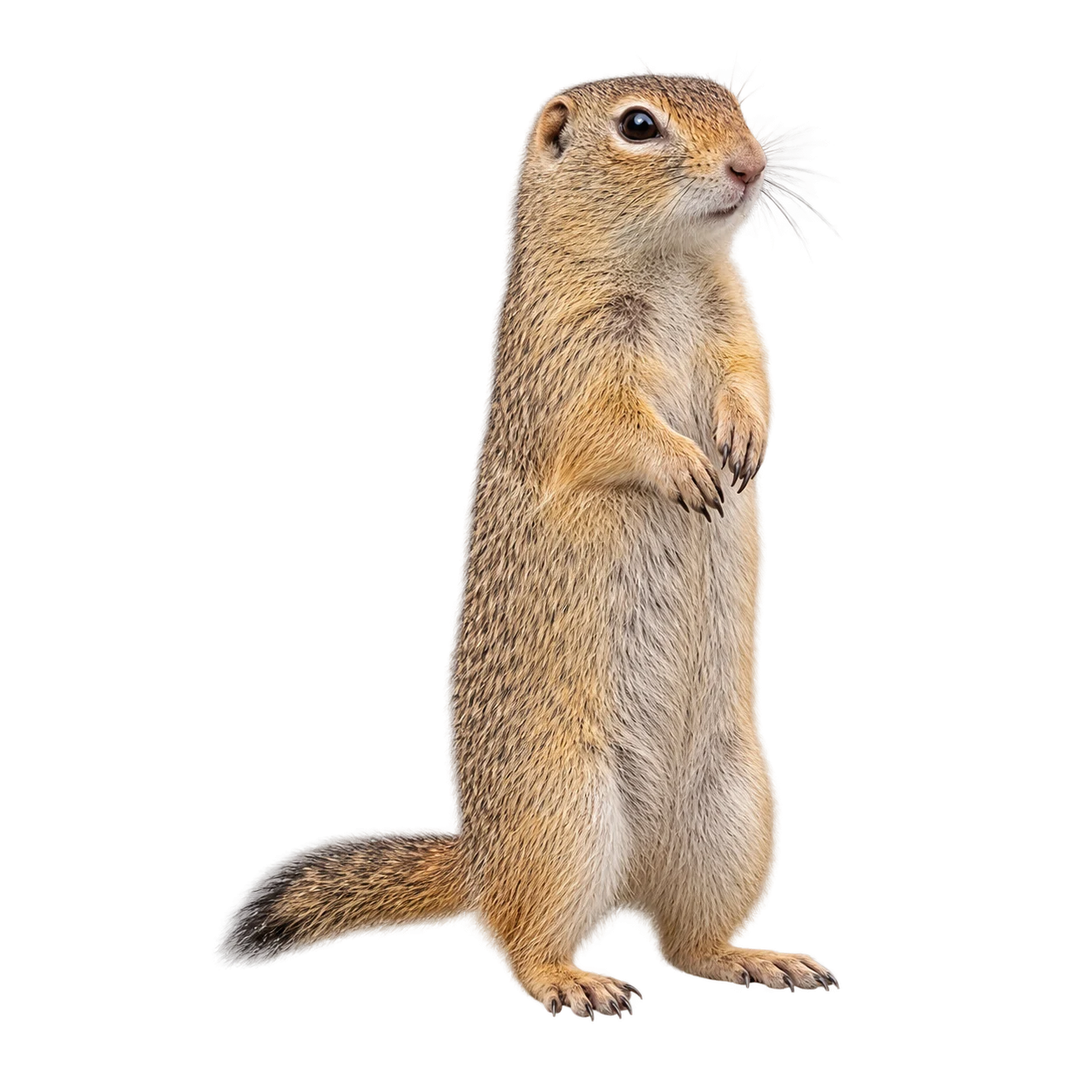
Ground squirrels

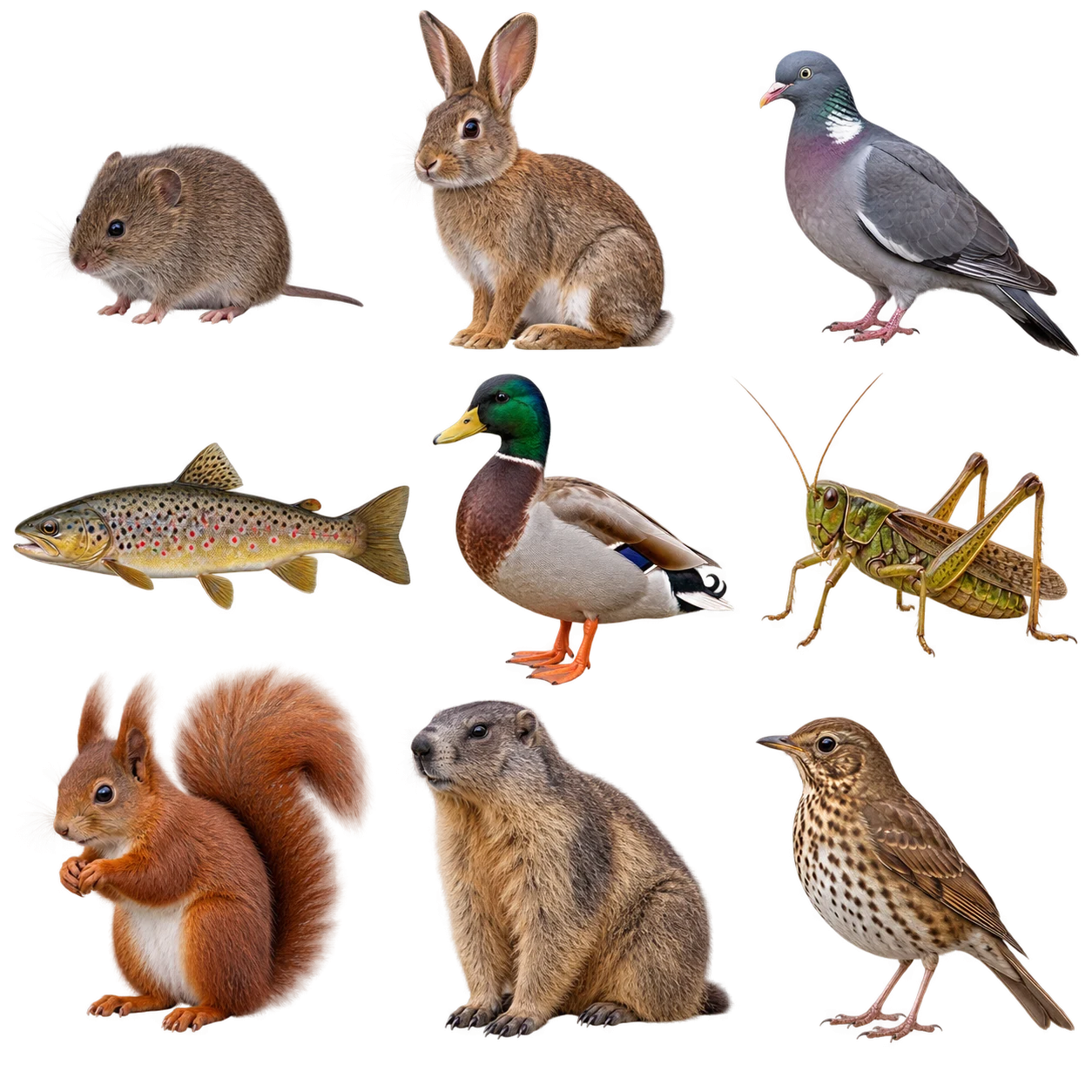
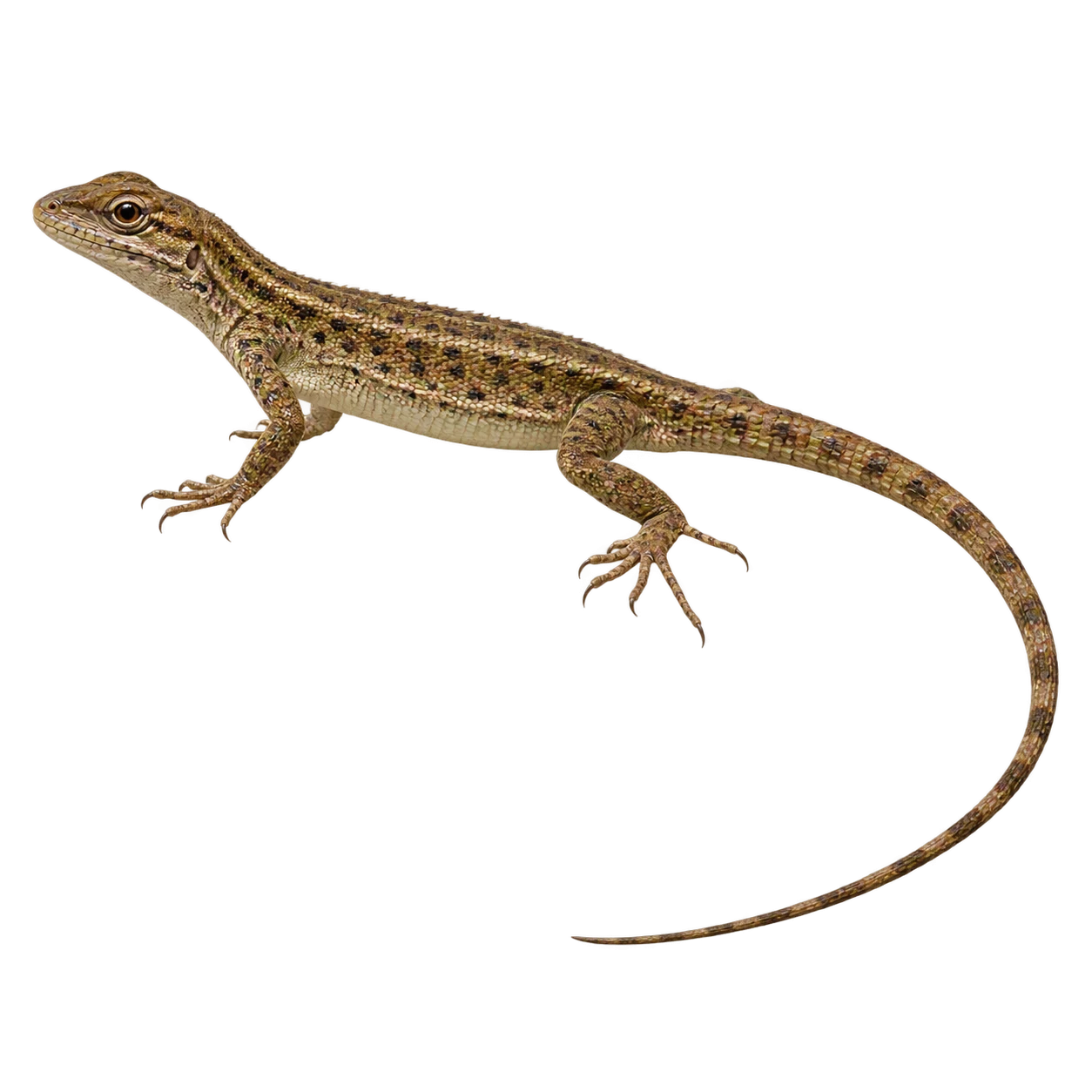
Rabbits, hares, ground squirrels and other rodents form the core of the diet. Larger prey can be overpowered by hunting together; birds and reptiles supplement the diet.

Occasional

Pigeons
Lizards

Hunting

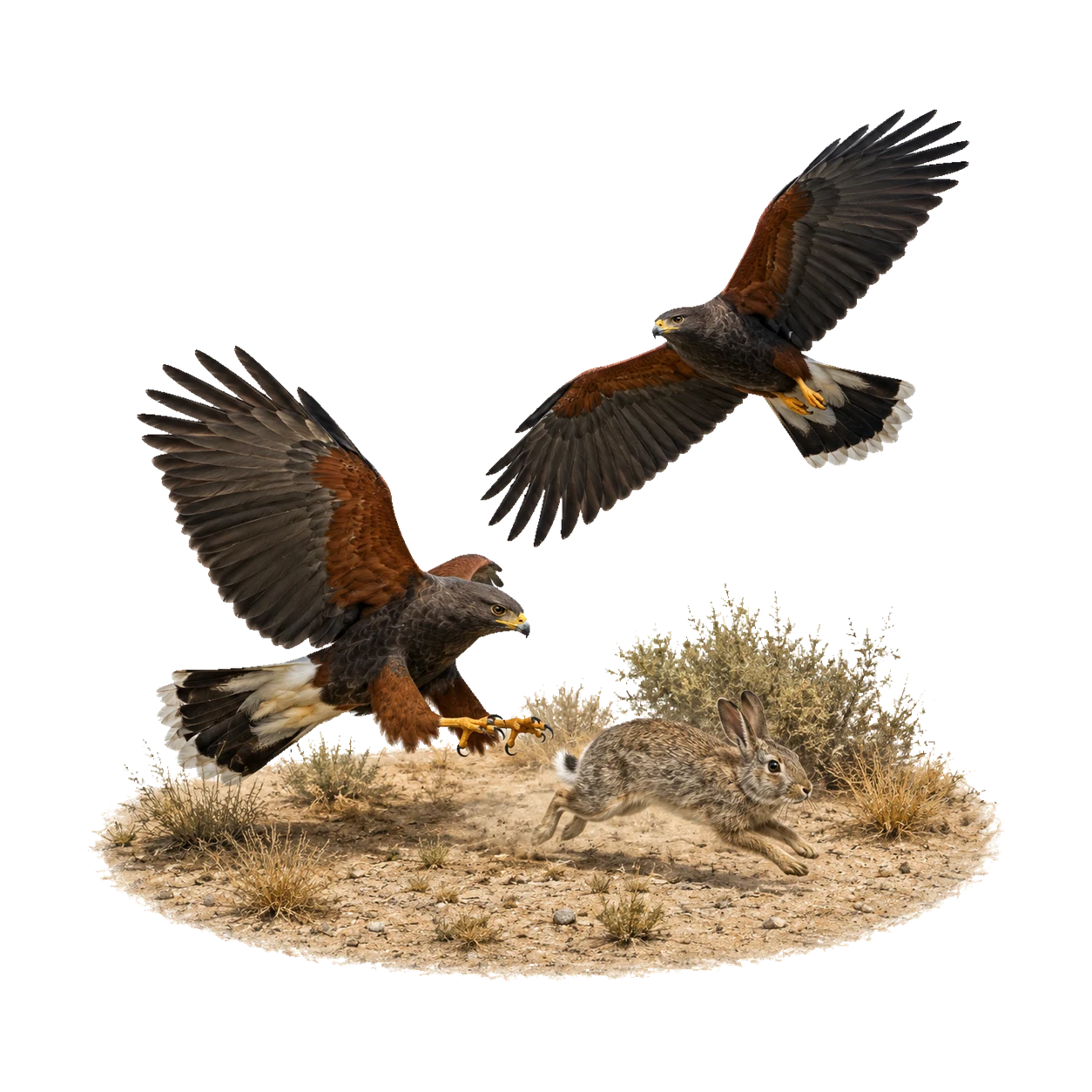
Harris's Hawk: Cooperative hunting · Hunting on foot

Several birds can press a prey animal from different directions or take turns in the chase. They also run and hop on the ground. Larger prey is then shared within the group.

Distribution

Range

South-western North America to South America

Habitat

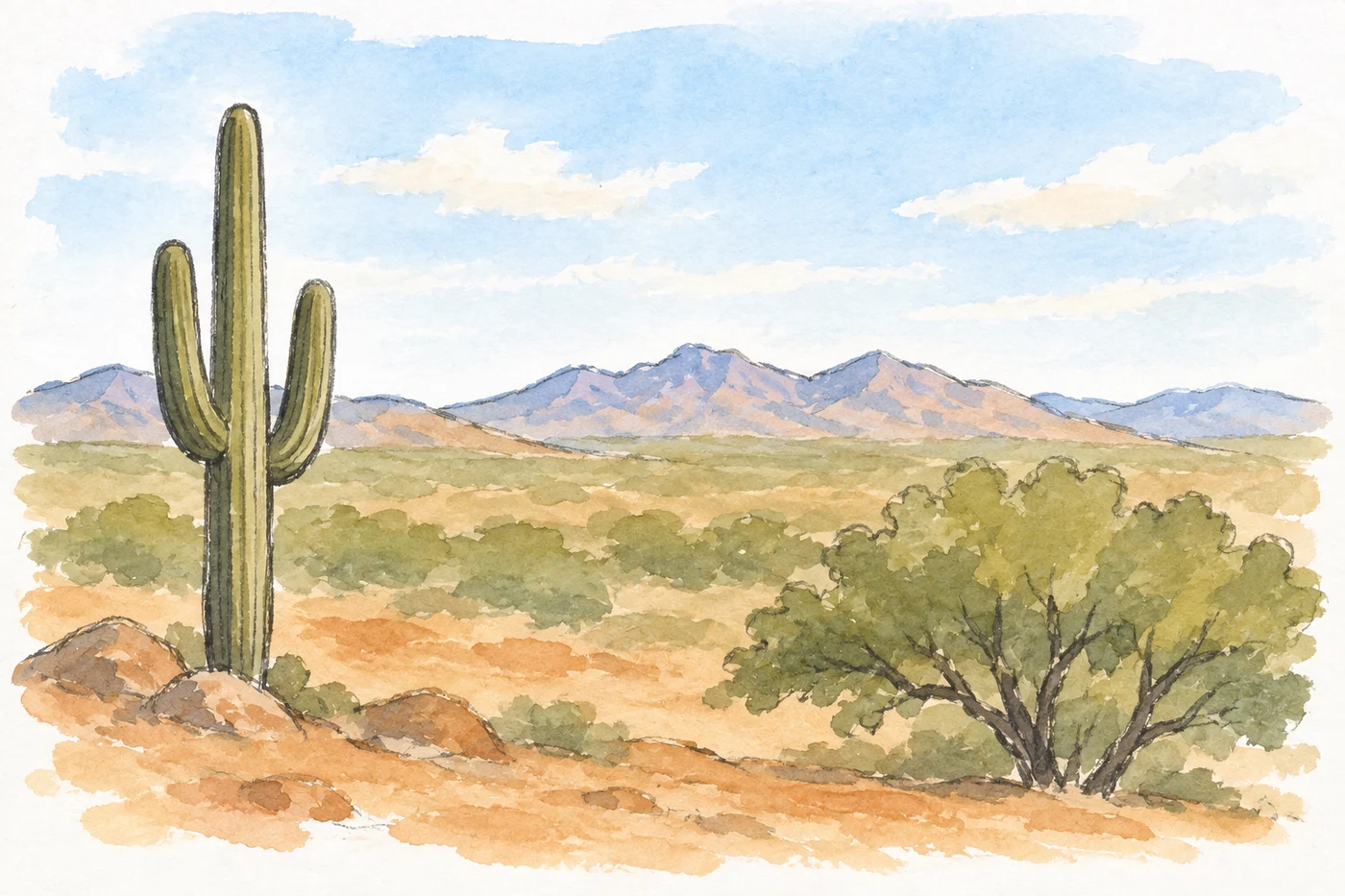
Semi-open dry country with thorn scrub, mesquite trees and cacti. In the south-west of North America it especially inhabits desert scrub; further south also other open and lightly wooded habitats. Single trees and large cacti provide perches and nest sites.
Harris's Hawk