Secretarybird

Sagittarius serpentarius
Wingspan

190–215cm

Body length

125–150cm

Weight

2,300–4,300g

Profile

Life expectancy
Clutch size
1–3 eggs
Global status
Activity
Migration

Identification

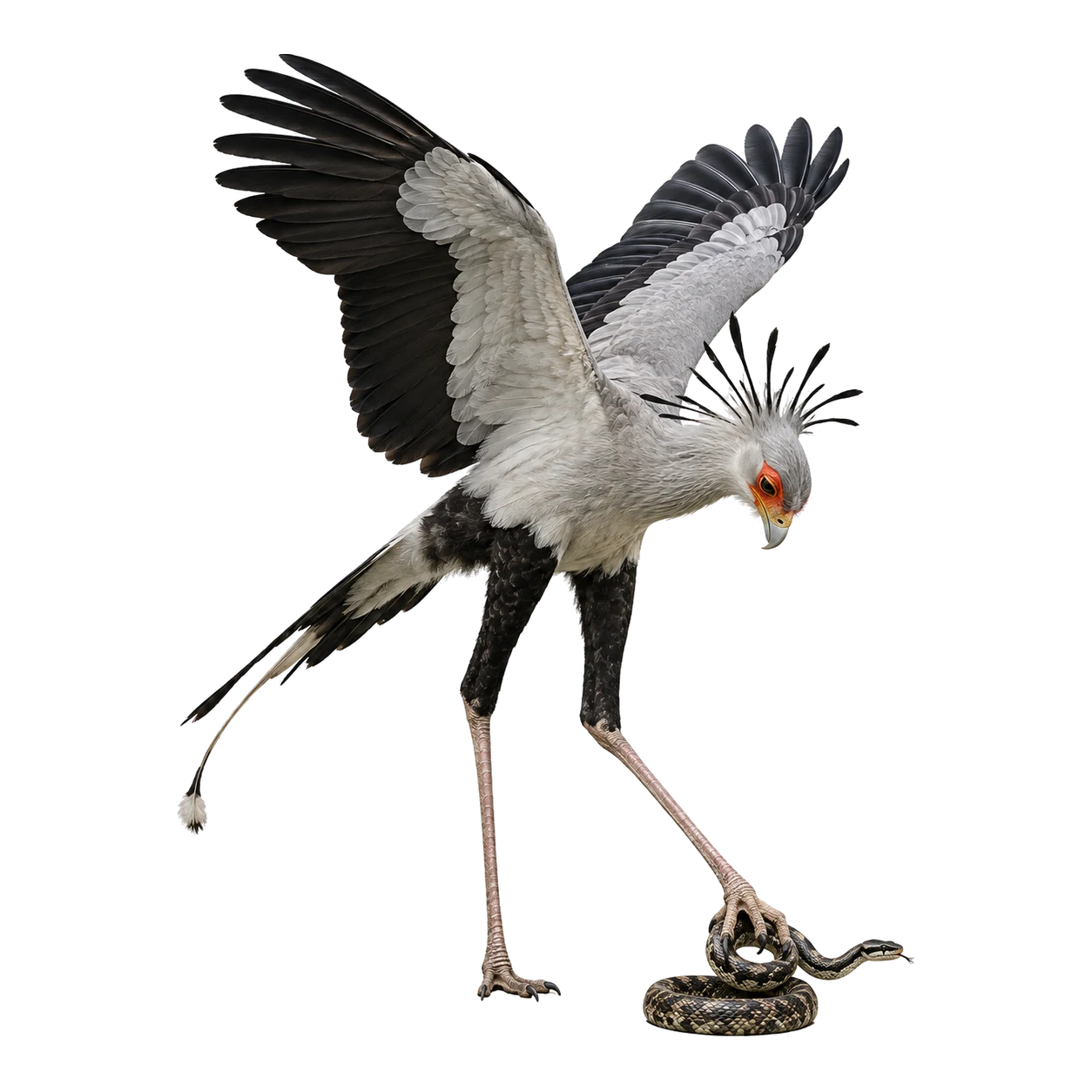
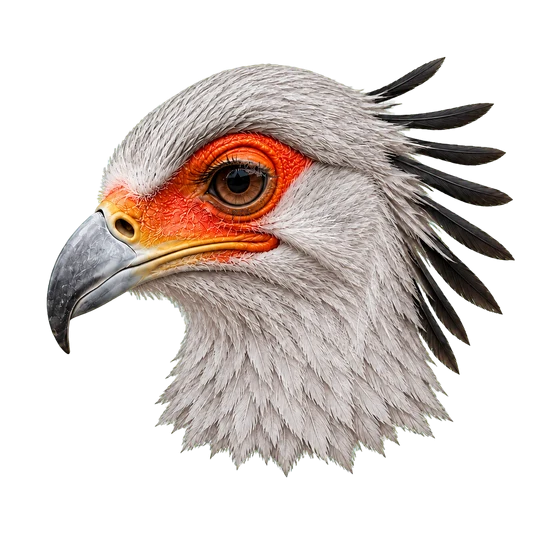
Unmistakable: a grey raptor with long stork-like legs, black feathered trousers, red facial skin and a crest of long feathers. In flight the legs project far beyond the tail, whose two central feathers are elongated.

Colours

Plumage
Eyes
Legs & feet

Adult

Pale grey body with black flight feathers and black feathered thighs, long pinkish-grey legs and bare orange-red facial skin. A crest of long, black-tipped feathers projects from the back of the head.

Behaviour

Secretarybirds walk up to 30 kilometres a day through the grass and fly only to reach roosting trees or the nest. Pairs stay together and perform undulating display flights with loud calls during courtship.

Breeding & rearing

The broad, flat nest of twigs sits on the crown of an umbrella acacia. The clutch is incubated for around six weeks and the young leave the nest after about three months.

Diet

Prey examples

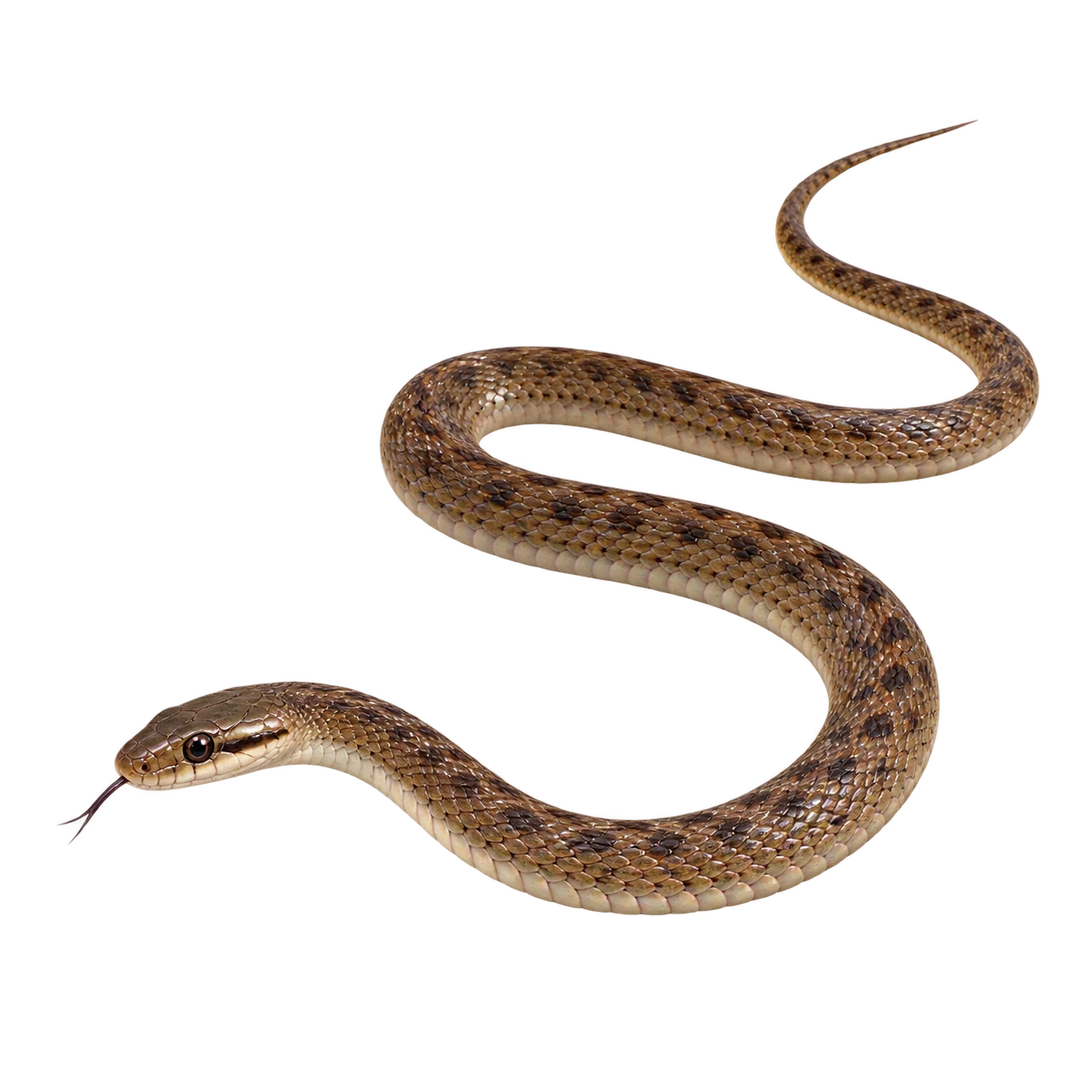
Snakes
Grasshoppers
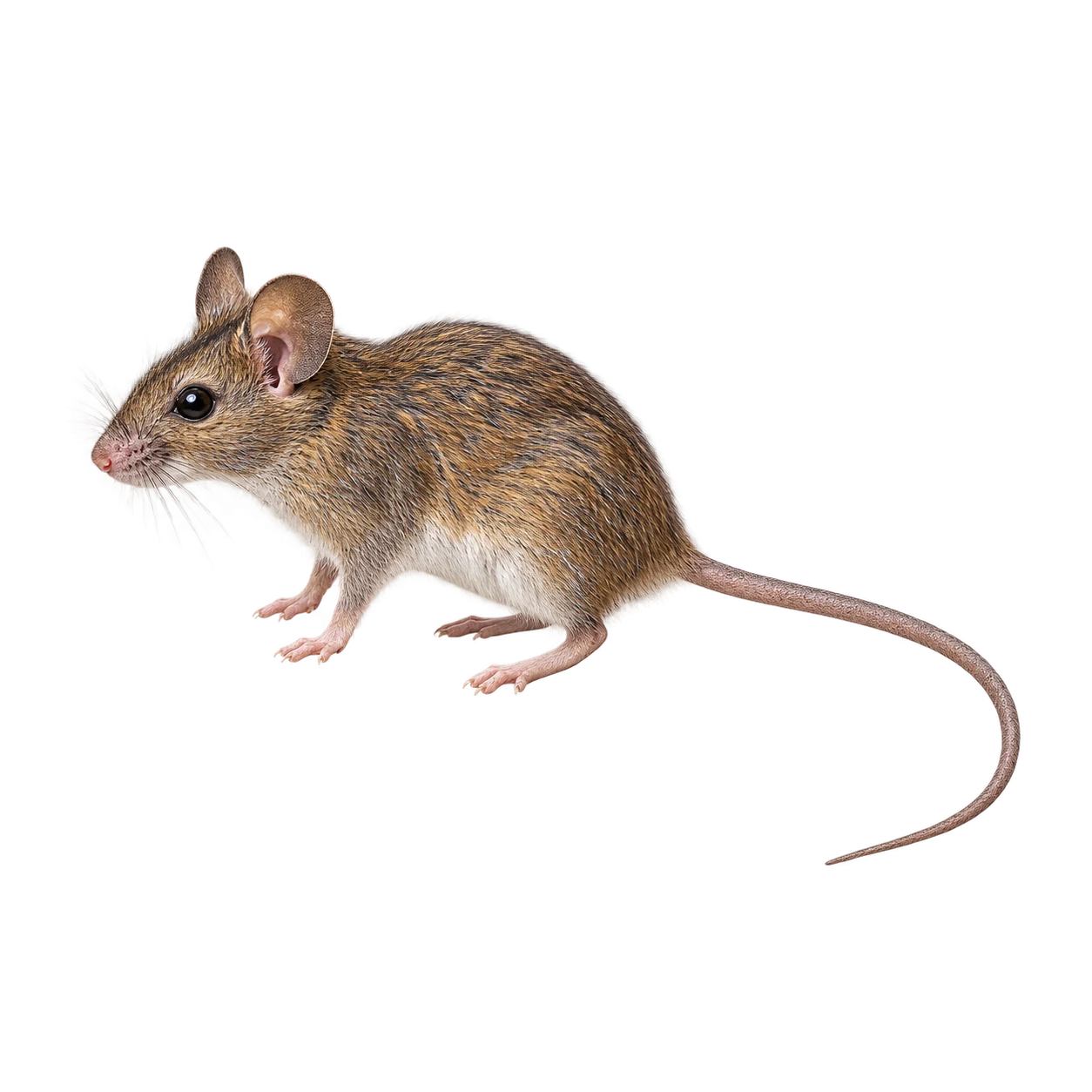
Mice

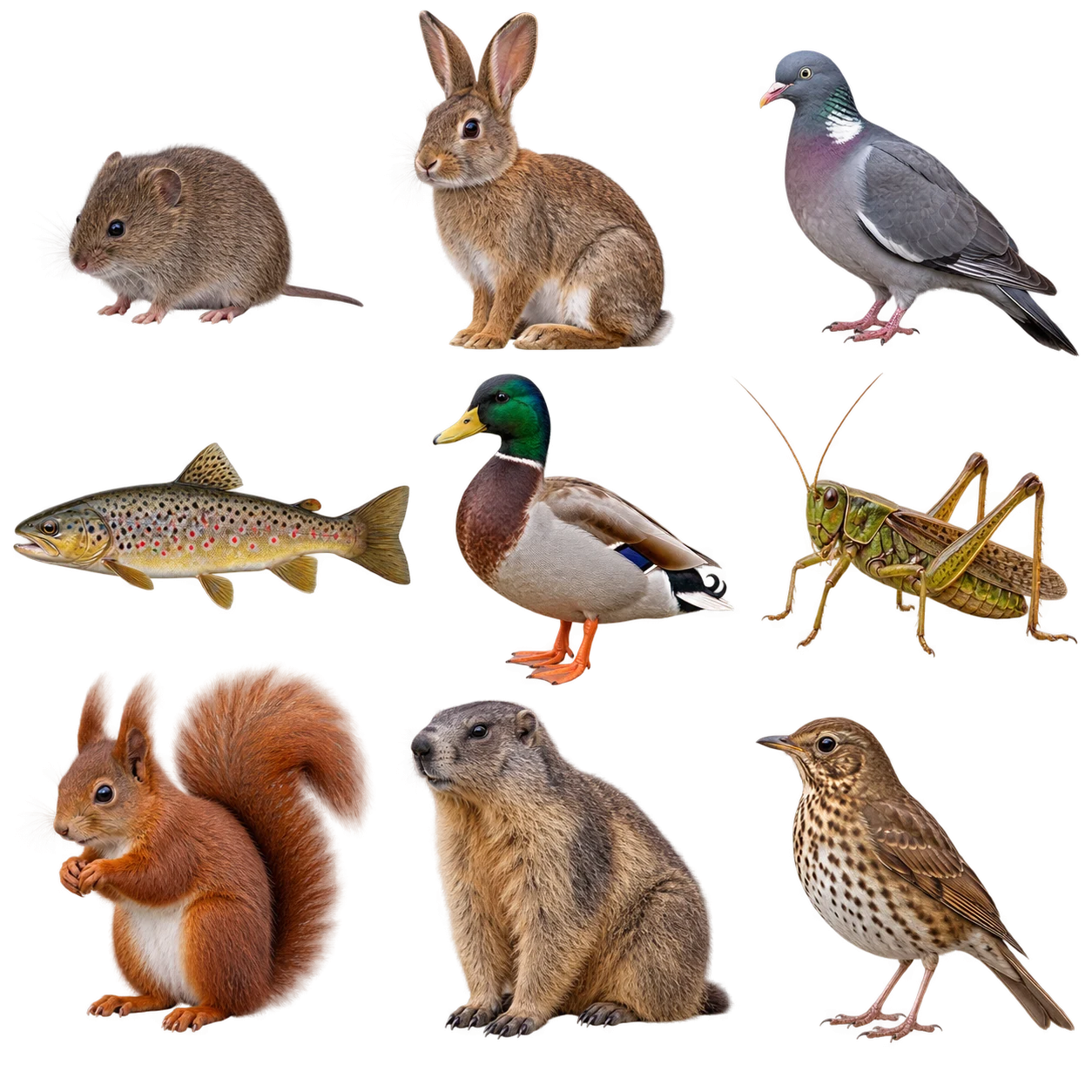
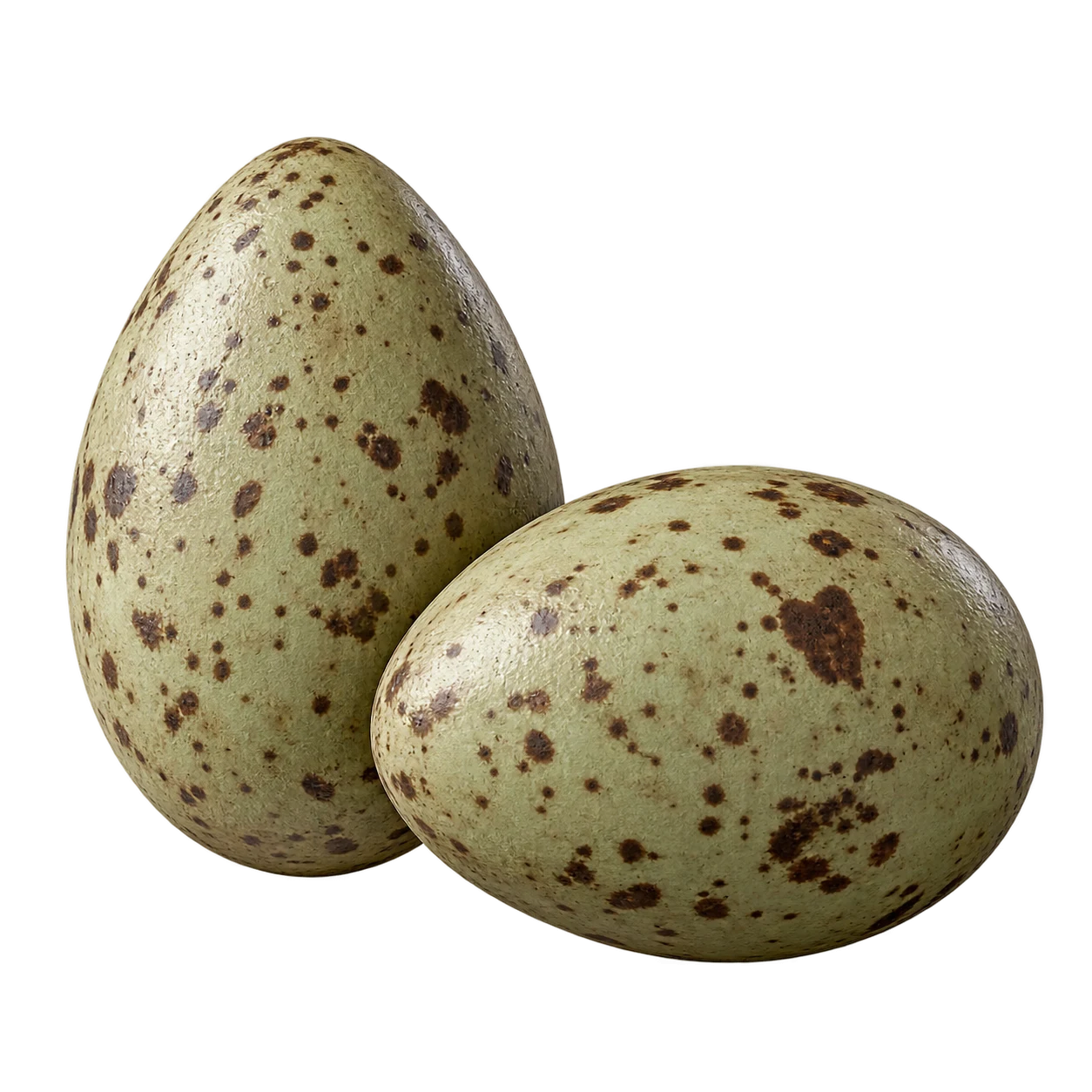
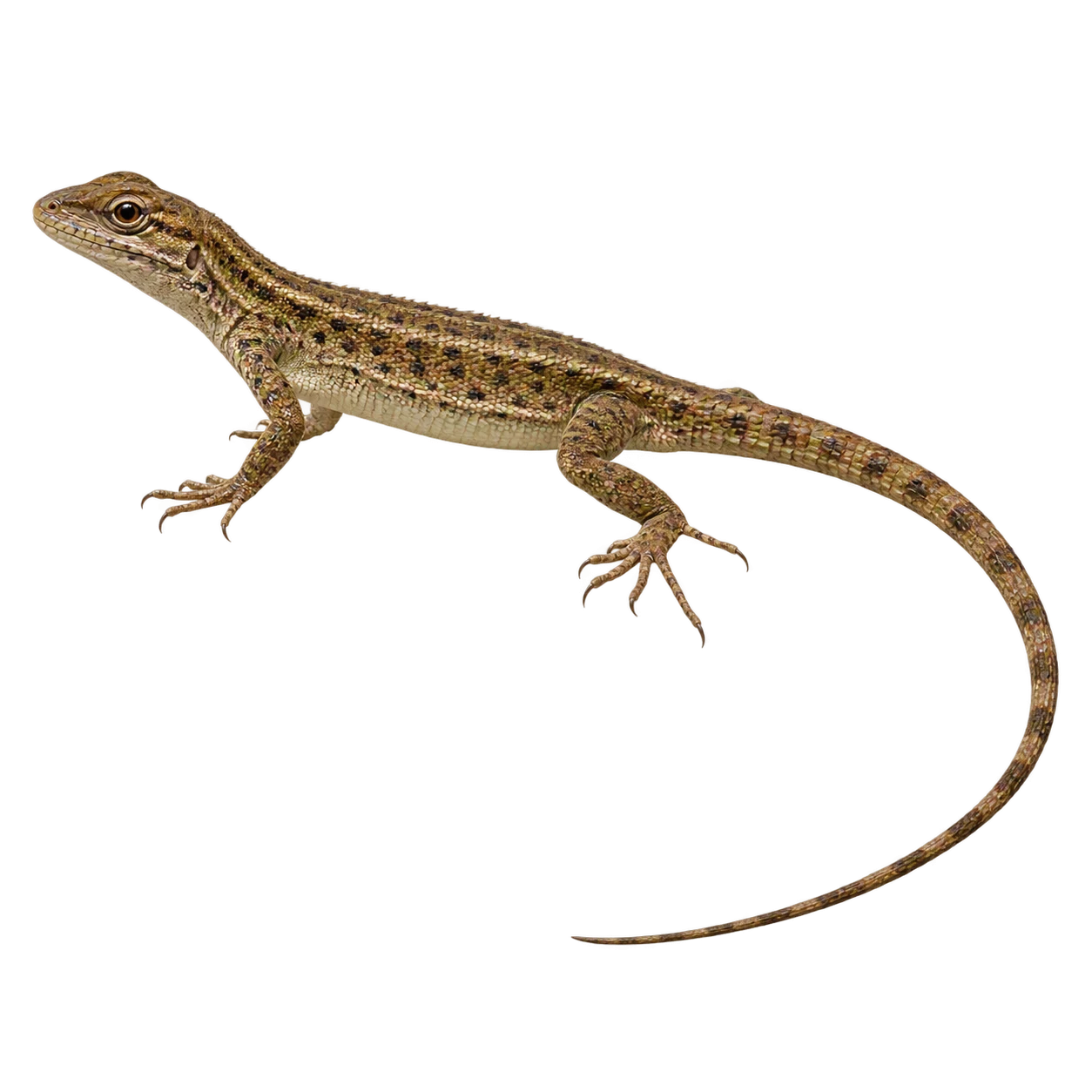
The Secretarybird eats whatever it flushes while striding through the savannah: above all grasshoppers and other large insects, mice and lizards. Snakes are spectacular but make up only a small part of the diet. It also takes ground-nesting birds and their eggs.

Occasional
Lizards
Seabird eggs

Hunting

Secretarybird: Hunting on foot

The secretarybird covers many kilometres a day on foot, flushing prey from the grass. It kills snakes and other animals with lightning-fast, powerful kicks, dodging bites with raised wings.

Distribution

Range

Sub-Saharan Africa

Habitat

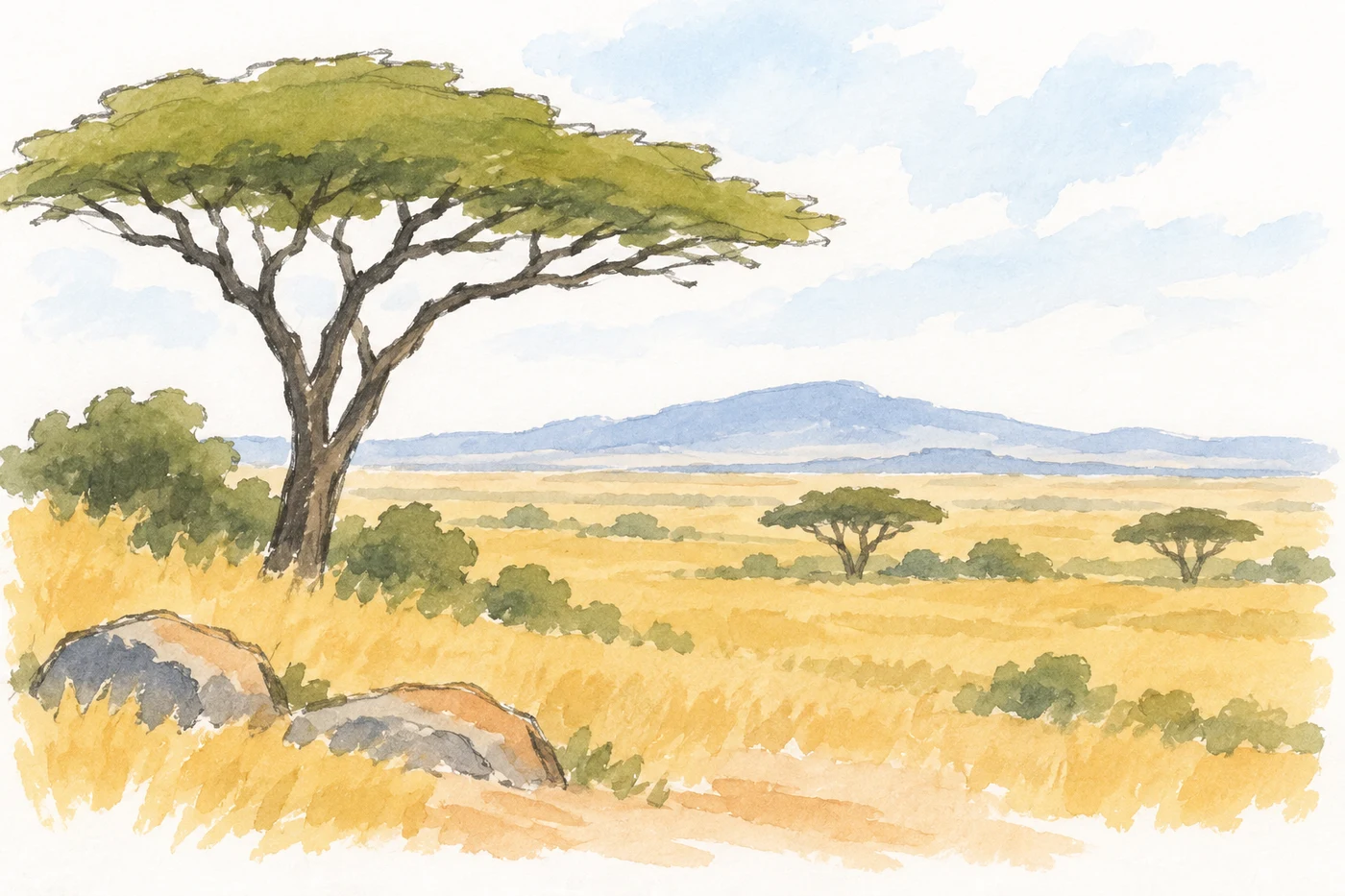
Open savannahs, grassland and lightly bushed plains with scattered umbrella acacias, on which it roosts at night and builds its nest. It avoids dense forests and deserts.
Secretarybird