Western Barn Owl
85–95cm
35–40cm
290–460g
Profile
- Life expectancy
- Clutch size
- Usually 4–6 eggs
- Global status
- Activity
- Migration
Identification
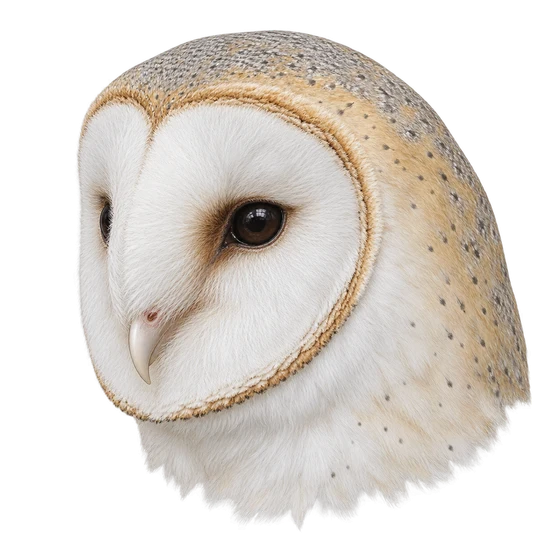
The heart-shaped facial disc and dark eyes are unmistakable. Long wings, a short tail and pale underparts mark it in flight; it has no ear tufts.
Colours
Adult
Heart-shaped pale facial disc, dark eyes and golden-grey upperparts. The underparts range from white to rusty buff; the sexes overlap in colour and spotting.
Behaviour
Hunts mainly at night and at dusk. Its acute hearing helps it locate hidden small mammals. By day it often roosts in buildings; its call is a harsh screech.
Breeding & rearing
Breeds in sheltered niches in buildings, tree holes and nest boxes. The female starts incubating early, so young of different ages grow up together. They fledge after about eight weeks.
Diet
Prey examples
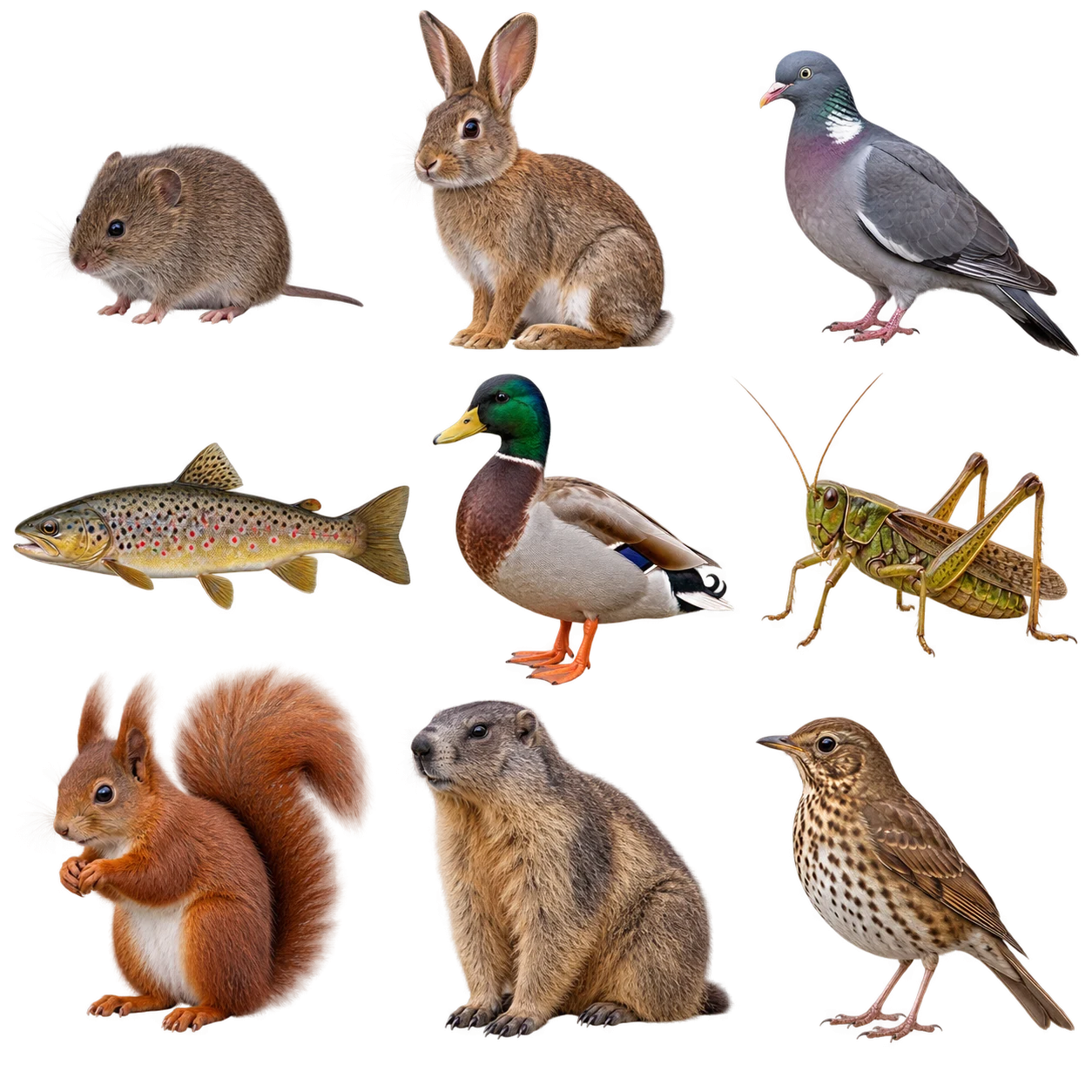
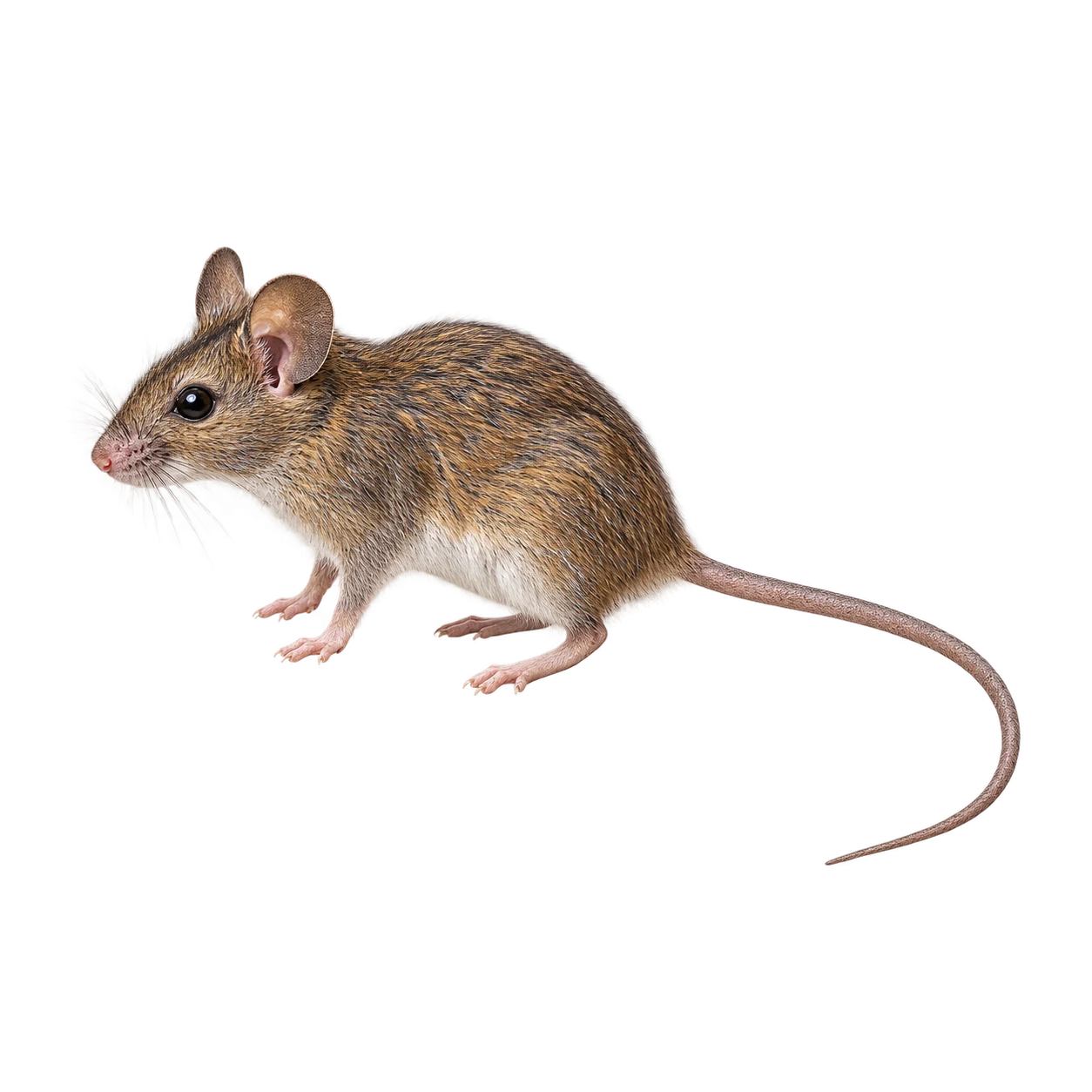
Voles
MiceSmall mammals, especially voles, make up the main diet. Other mice and shrews are also taken; small birds supplement the diet only occasionally.
Occasional
SongbirdsHunting
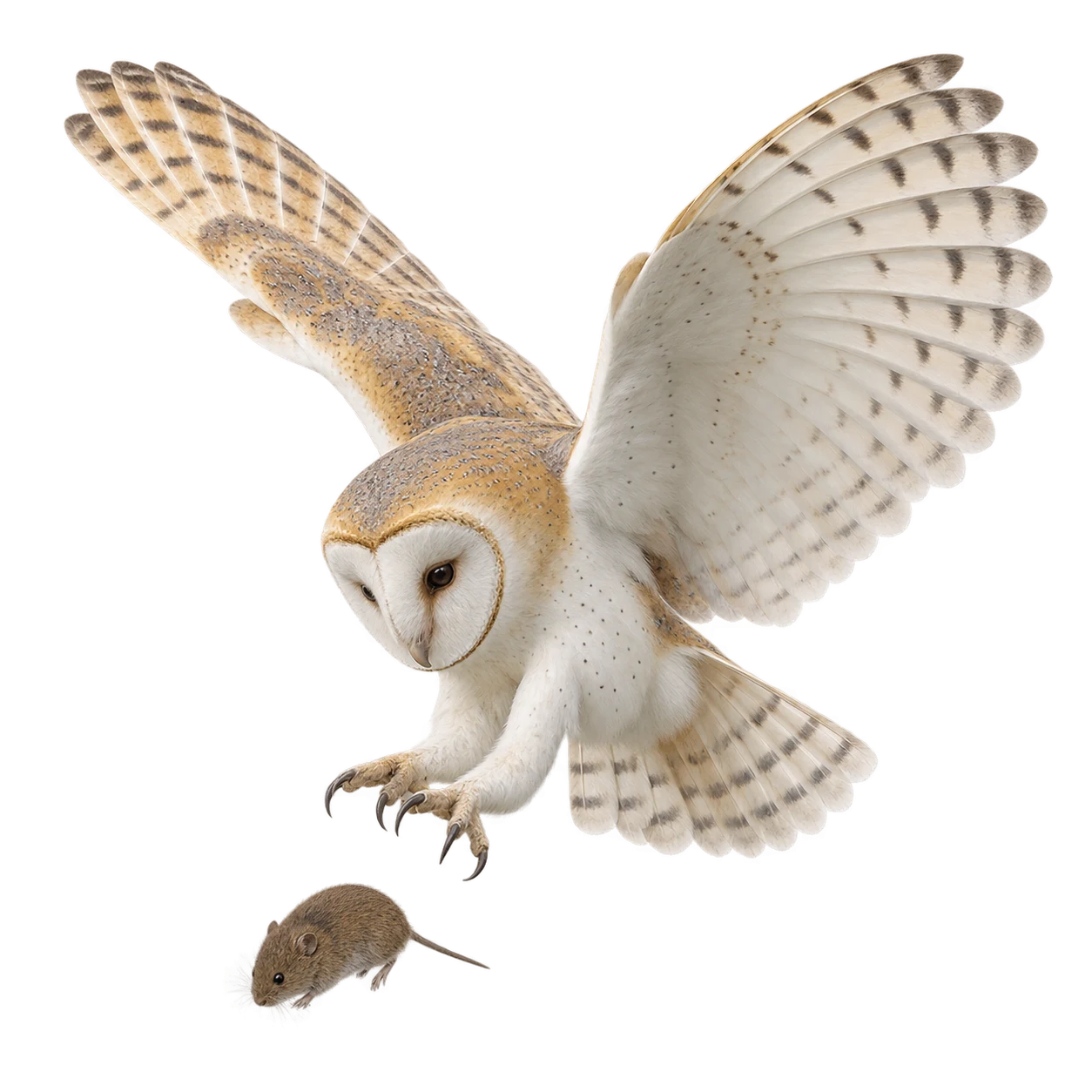
In low quartering flight or from a perch, it locates small mammals. Its facial disc aids directional hearing; it strikes after a silent approach with talons extended.
Distribution
Habitat
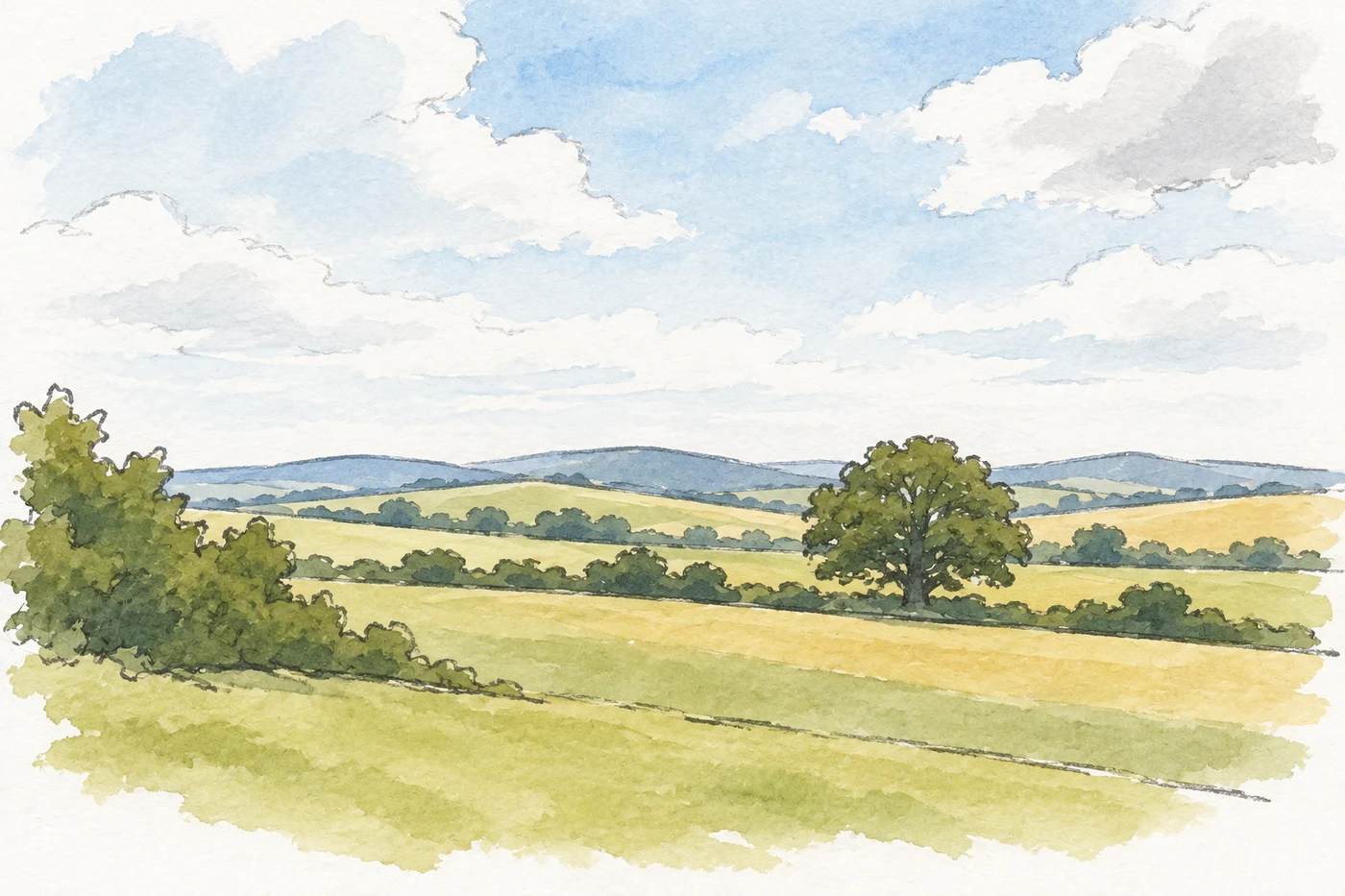
Open farmland with meadows, pastures and field margins. Barns, church towers and other buildings offer sheltered nest sites.