Black Kite

Milvus migrans
Wingspan

135–150cm

Body length

55–60cm

Weight

630–920g

Profile

Life expectancy
Clutch size
2–3 eggs
Global status
Activity
Migration

Identification

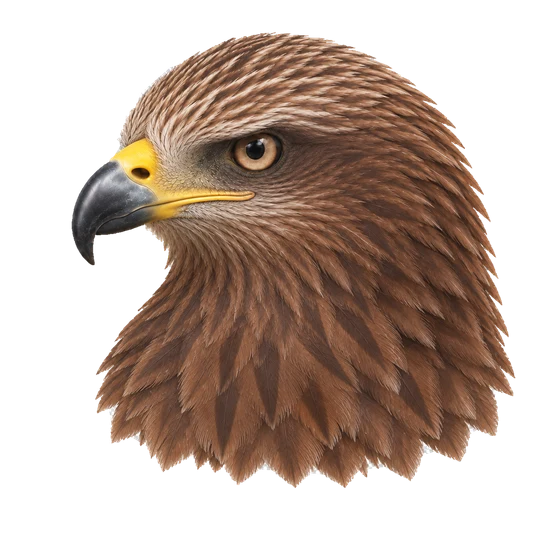
Compared with the Red Kite it looks darker and more compact. Its tail is only shallowly forked and can appear almost straight when fully fanned. The less contrasting underwing helps when comparing the two species.

Colours

Plumage
Eyes
Legs & feet

Adult

Dark brown plumage with a slightly forked tail. Males and females can hardly be told apart by plumage.

Behaviour

Away from the immediate nest area it is often sociable. European breeders mostly migrate to Africa and return in spring. Thermals make long distances easier; larger bodies of water are often avoided.

Breeding & rearing

The nest is usually in a tree, often near water. Small woods and open stands of old trees offer suitable sites. The parents need accessible feeding areas nearby to feed the young during the breeding season.

Diet

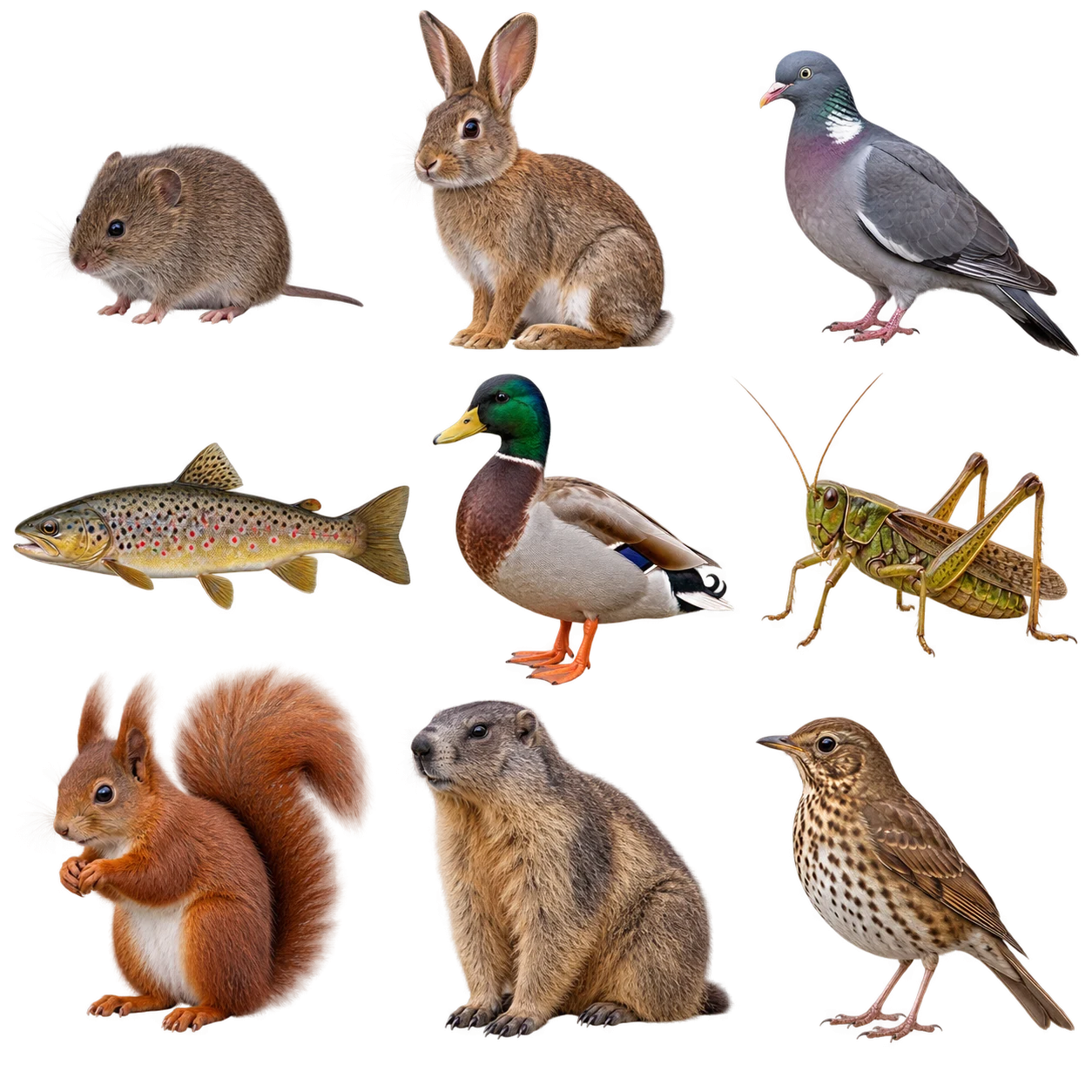
Prey examples

Fish
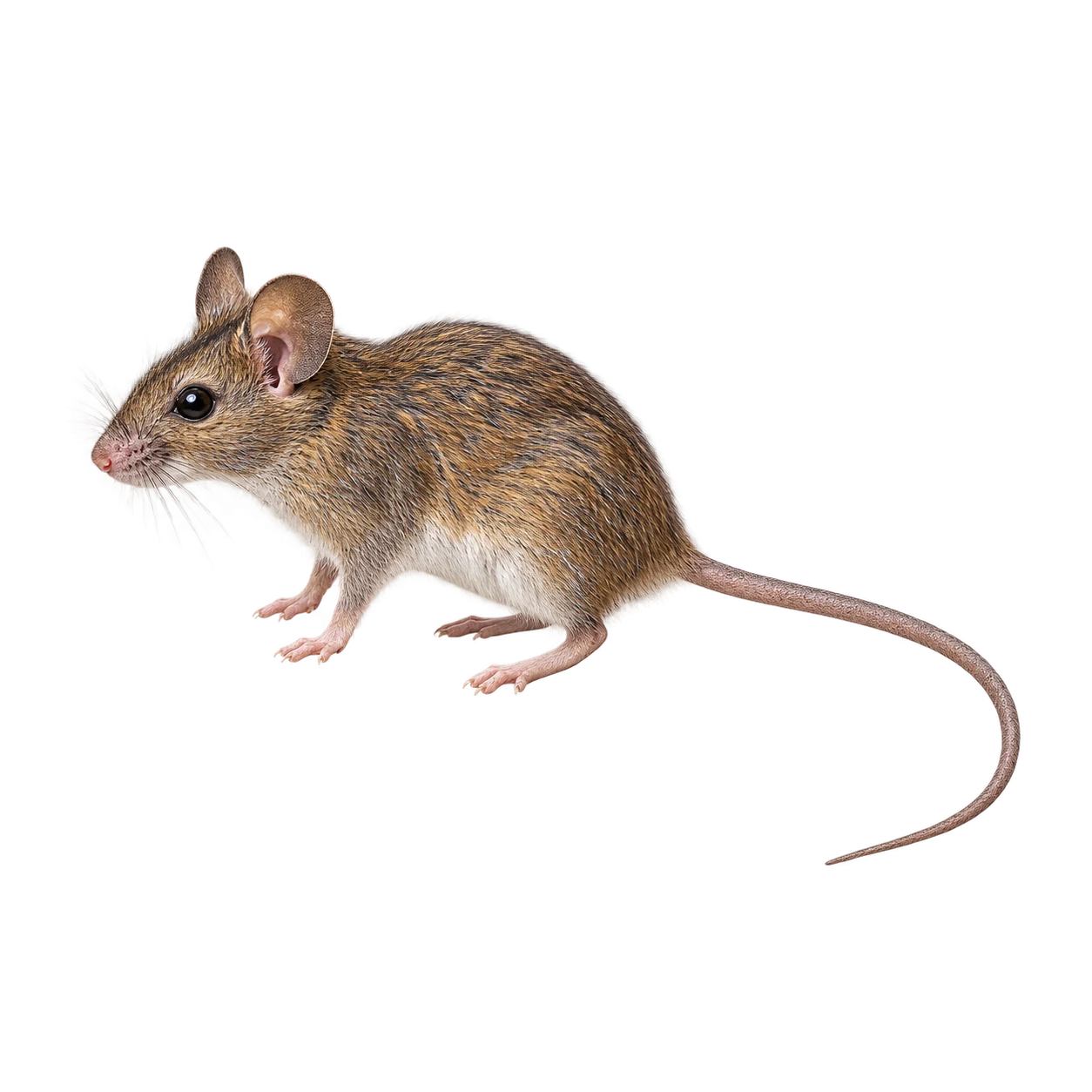
Mice
Songbirds

The Black Kite often uses dead or weakened fish and other easily reached food. Small mammals and birds supplement its diet, which varies greatly by region.

Hunting
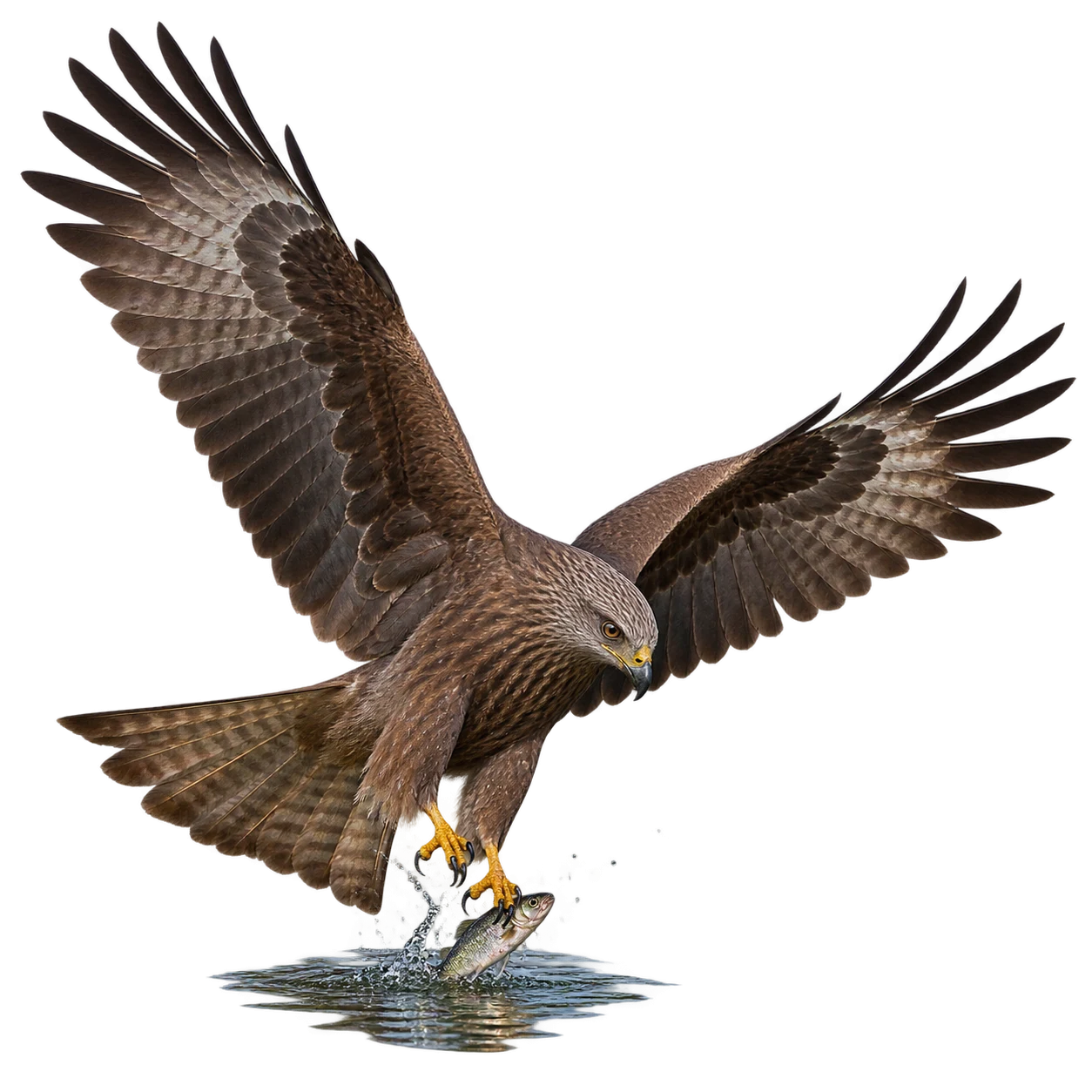
Black Kite: Search flight · Fishing · Scavenging

In slow search flight it looks out for reachable food over water and open land. It picks small fish from the surface and also often takes carrion and other easily available food.

Distribution

Range

Europe, Asia, Africa & Australia

Status in Germany

Breeding birdPassage migrant

Habitat

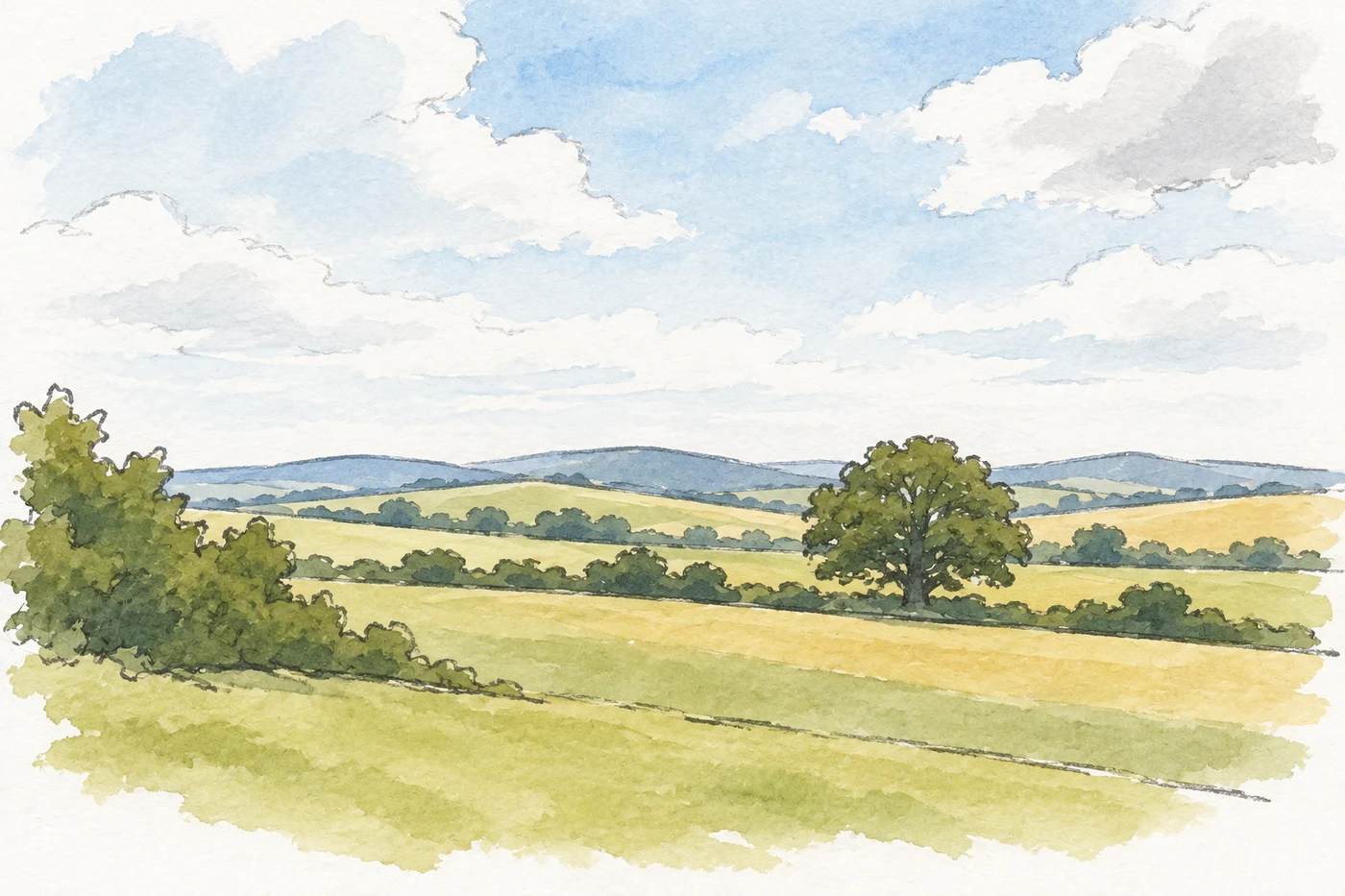
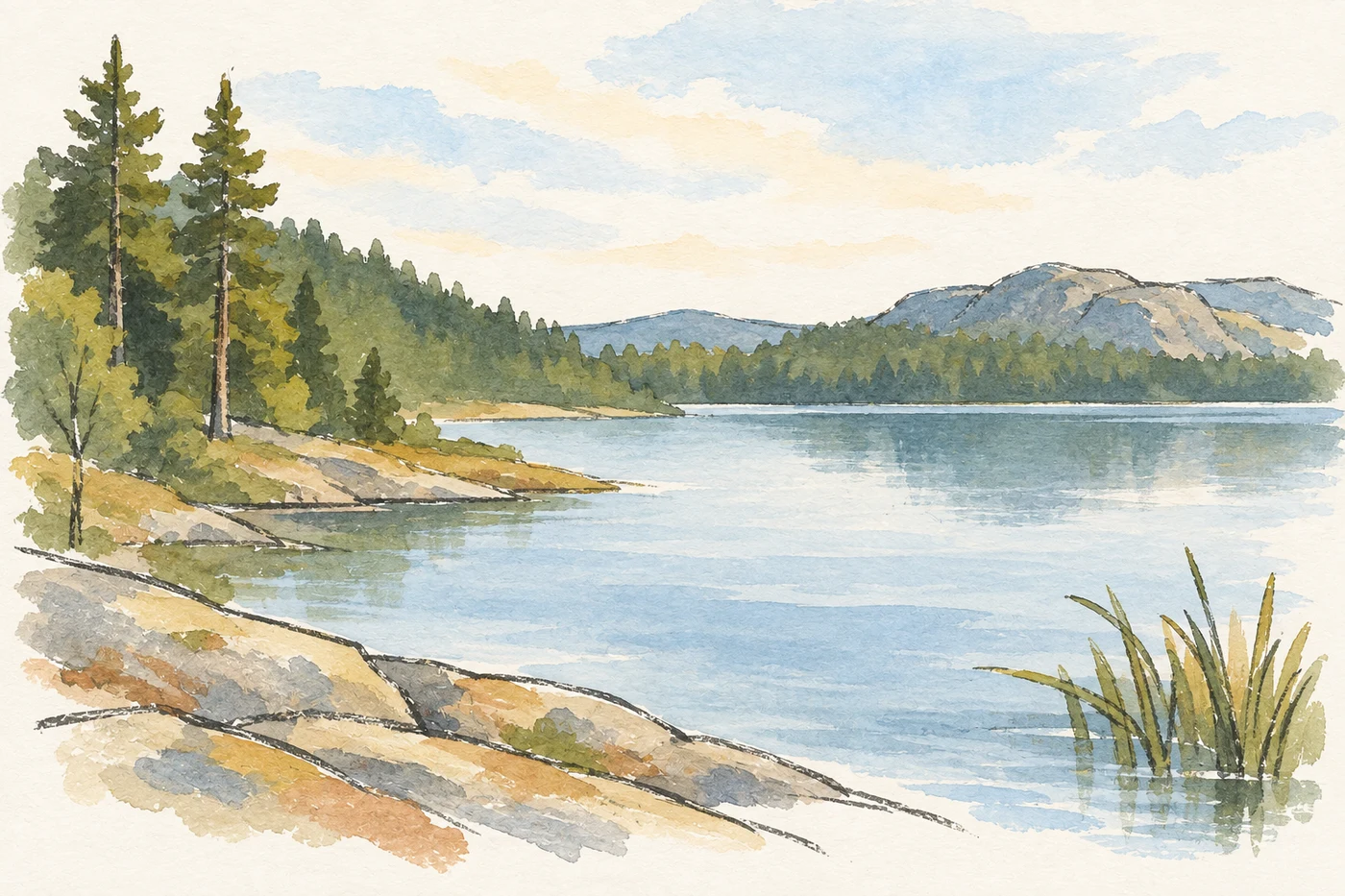
Landscapes rich in water with old trees, as well as open fields and the edges of settlements.
Black Kite