European Honey Buzzard

Pernis apivorus
Wingspan

120–145cm

Body length

50–60cm

Weight

500–950g

Profile

Life expectancy
Clutch size
Usually 2 eggs
Global status
Activity
Migration

Identification

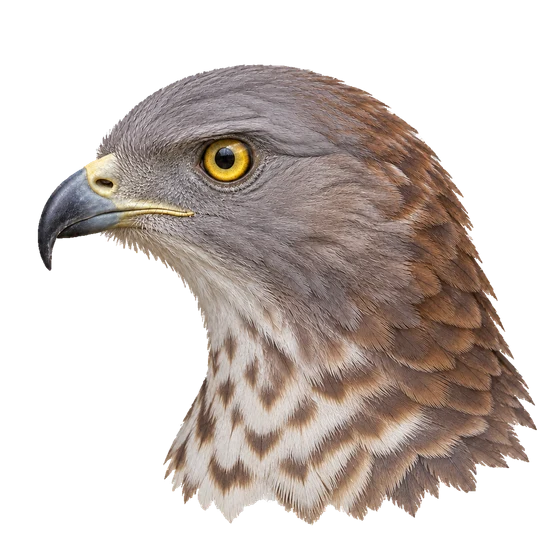
Similar to the Common Buzzard, but with a small head held far forward, a longer tail and wings held flat when soaring. The tail bands, the male’s grey head and the yellow iris help with identification.

Colours

Plumage
Eyes
Legs & feet

Adult · Intermediate

Cream underparts with distinct brown markings and dark carpal patches. Flight feathers and tail are barred; the iris is yellow.

European Honey Buzzards range from very pale to almost uniformly dark brown. Pale, intermediate and dark are examples from a continuous spectrum, not subspecies. The colour variation also occurs in juveniles; iris colour and feather markings help with ageing.

Behaviour

European Honey Buzzards only arrive in May and leave again in September. On migration they avoid the open sea and gather in thousands at bottlenecks such as Gibraltar and the Bosporus.

Breeding & rearing

The nest is built in tall trees and lined with fresh leafy twigs. The clutch is incubated for a good five weeks; the young are fed with wasp combs and fledge after about 40 days.

Diet

Prey examples

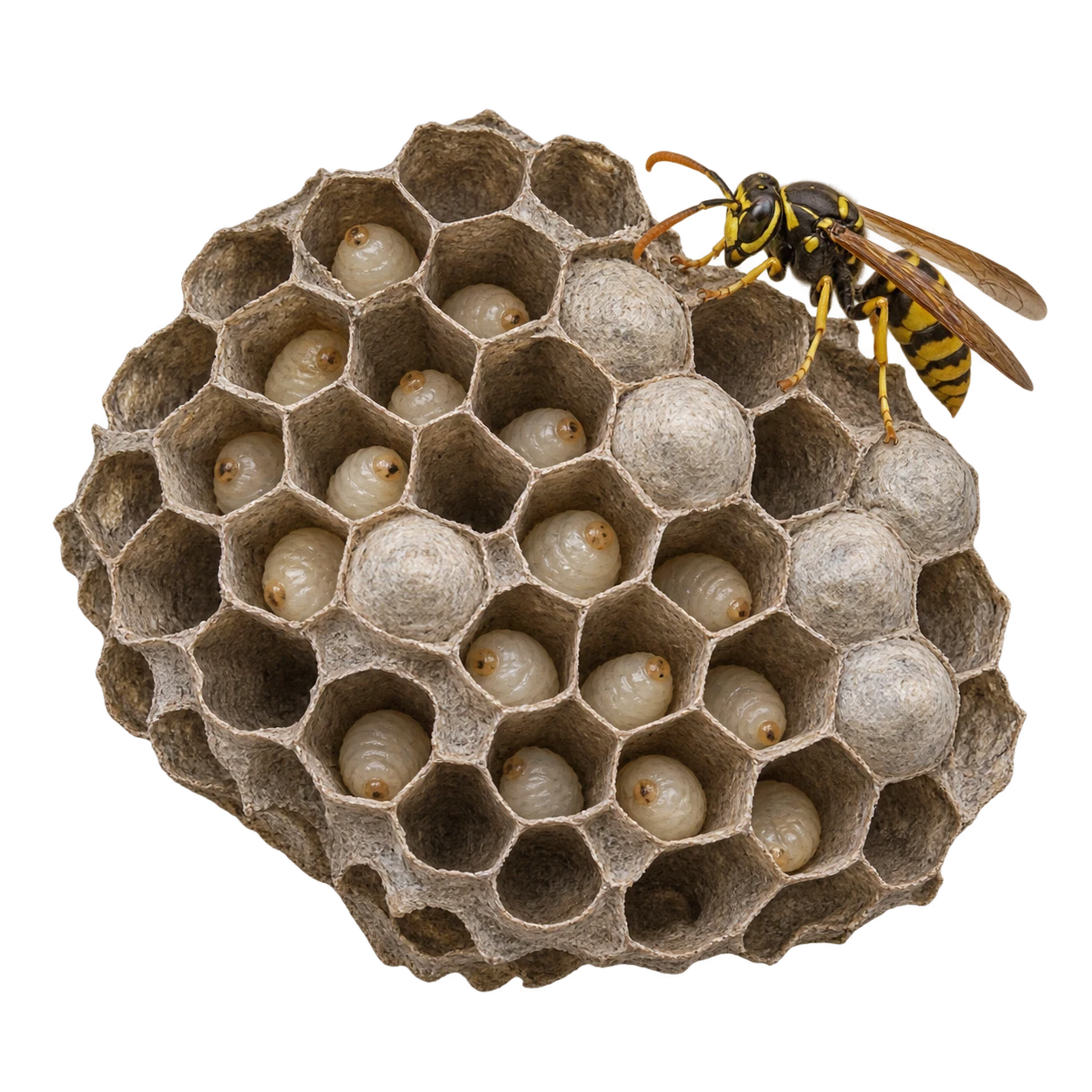
Wasp & bumblebee brood

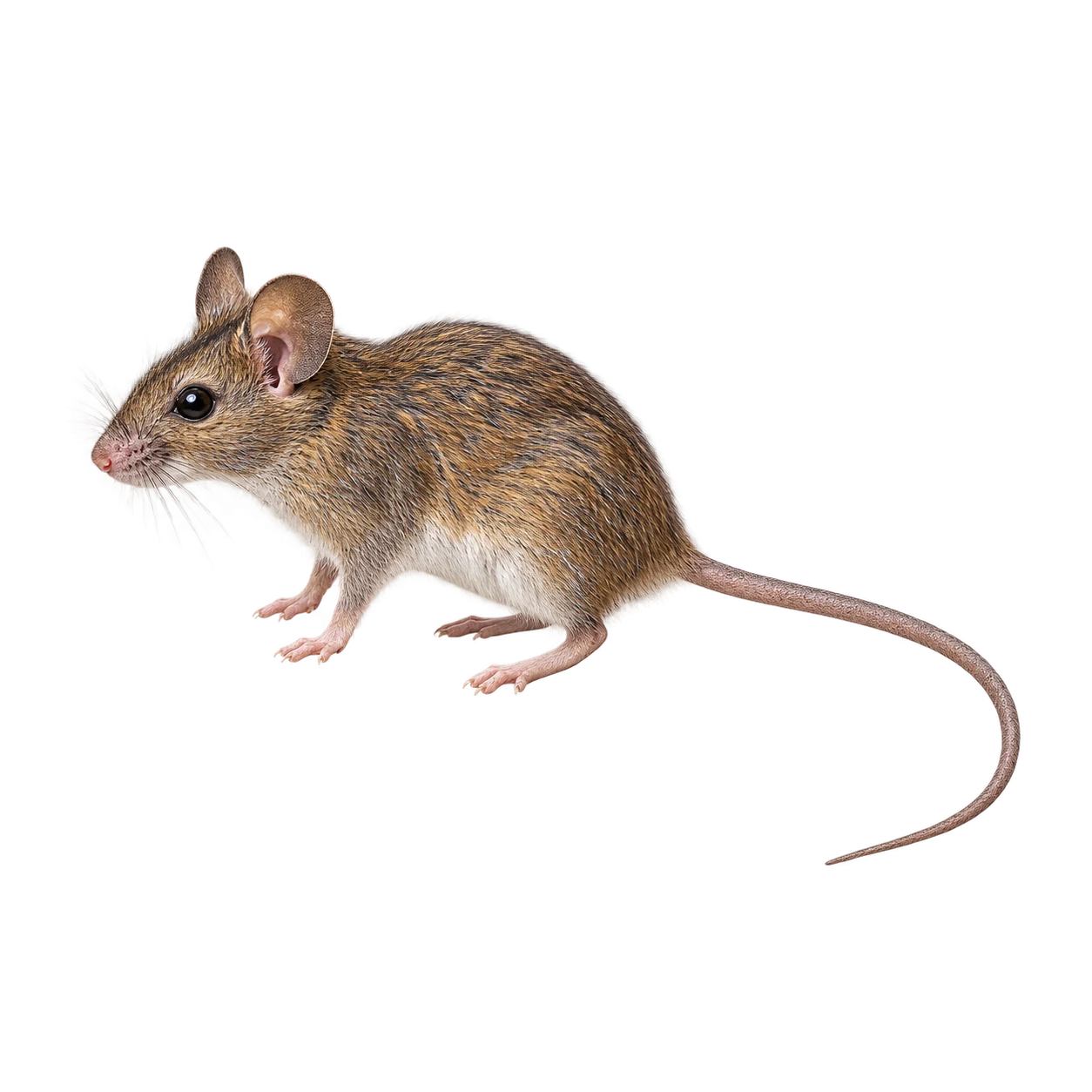
The brood of wasps and bumblebees is its main food: it digs out the nests and eats larvae and pupae from the combs. In bad weather it switches to frogs, nestlings, small mammals and beetles.

Occasional
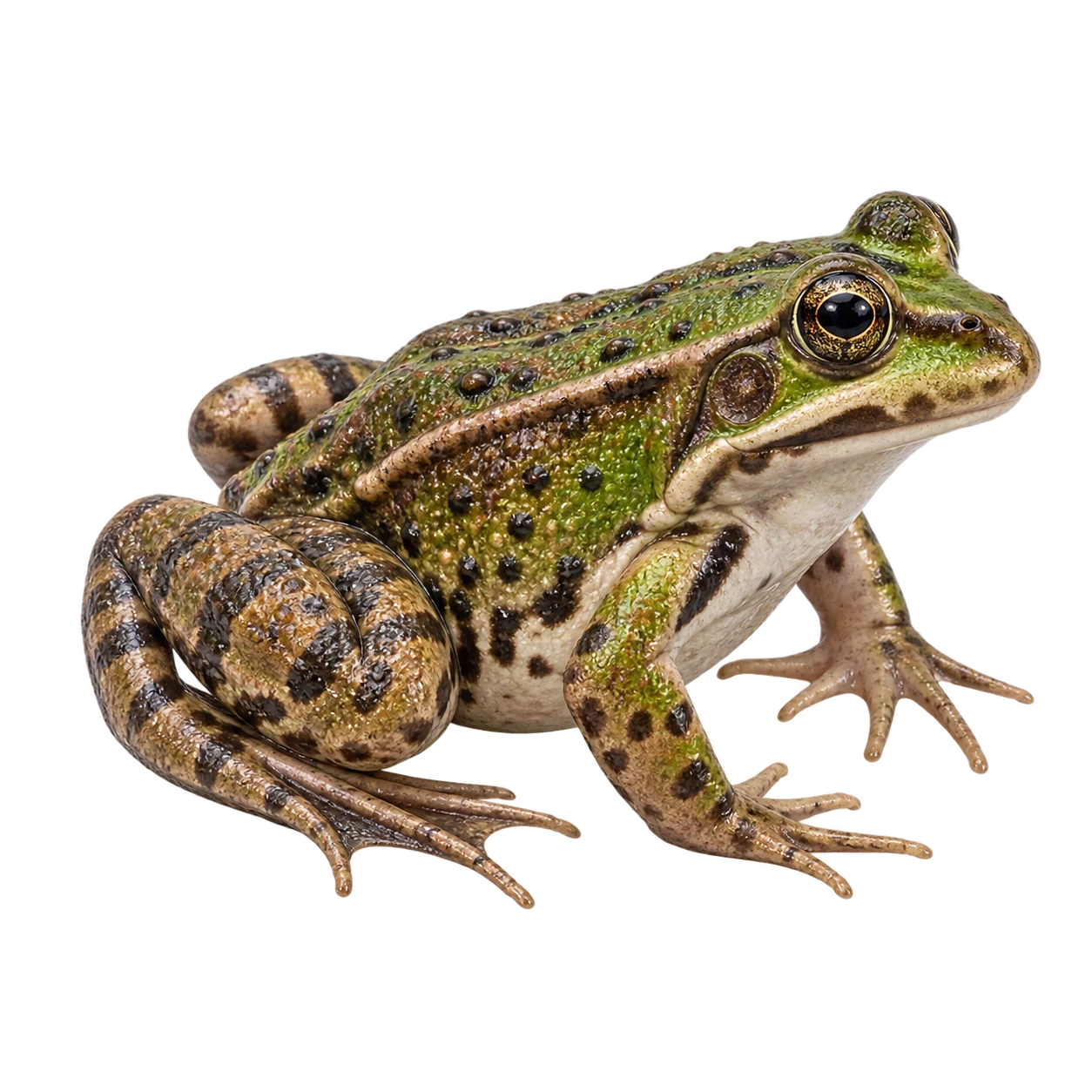
Frogs
Mice

Hunting

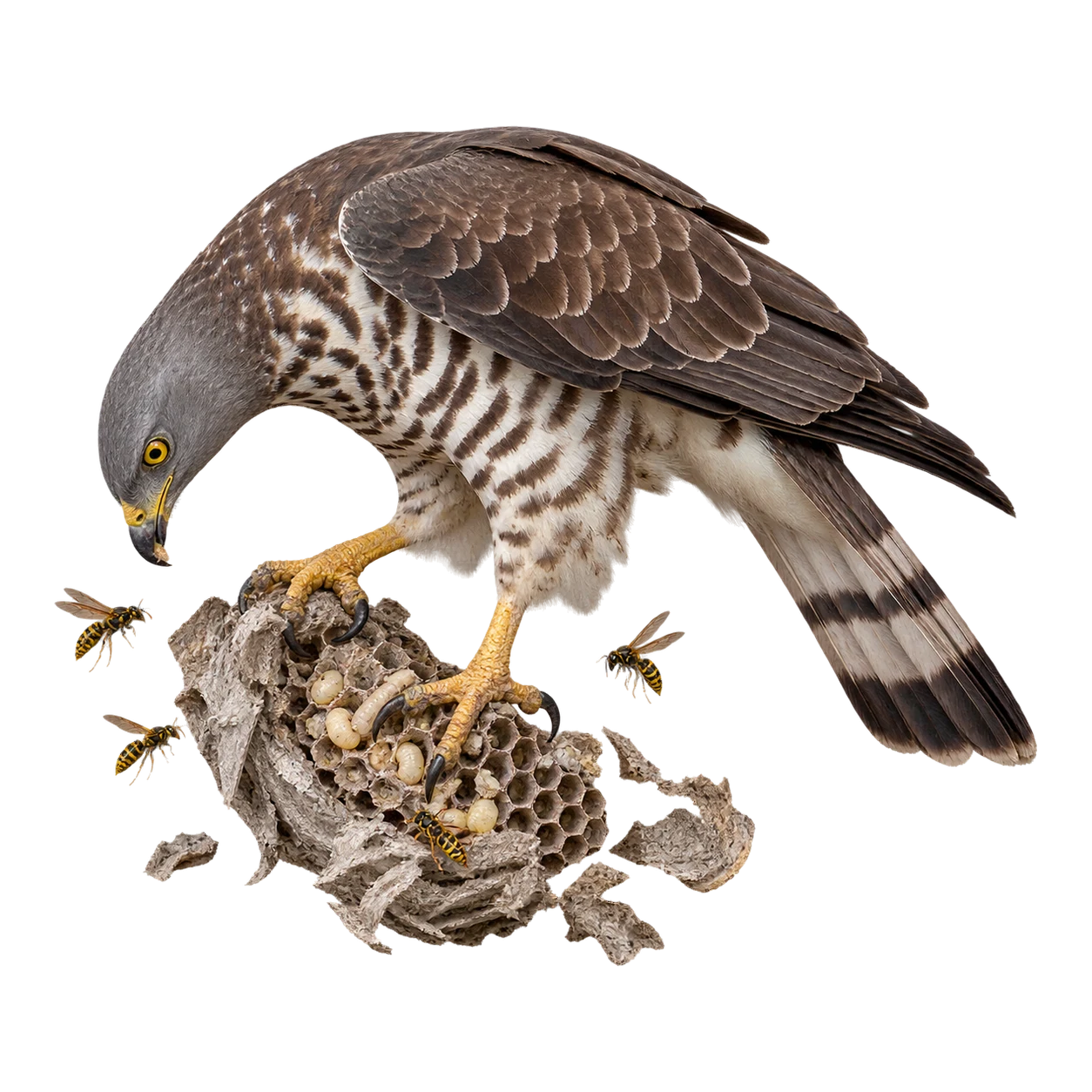
European Honey Buzzard: Digging out nests

The honey buzzard follows wasps flying home to their nest, digs it out with its feet and carries the combs with larvae to its nest. Dense facial feathers and slit-like nostrils protect it from stings.

Distribution

Range

Europe; in winter Africa

Status in Germany

Breeding birdPassage migrant

Habitat

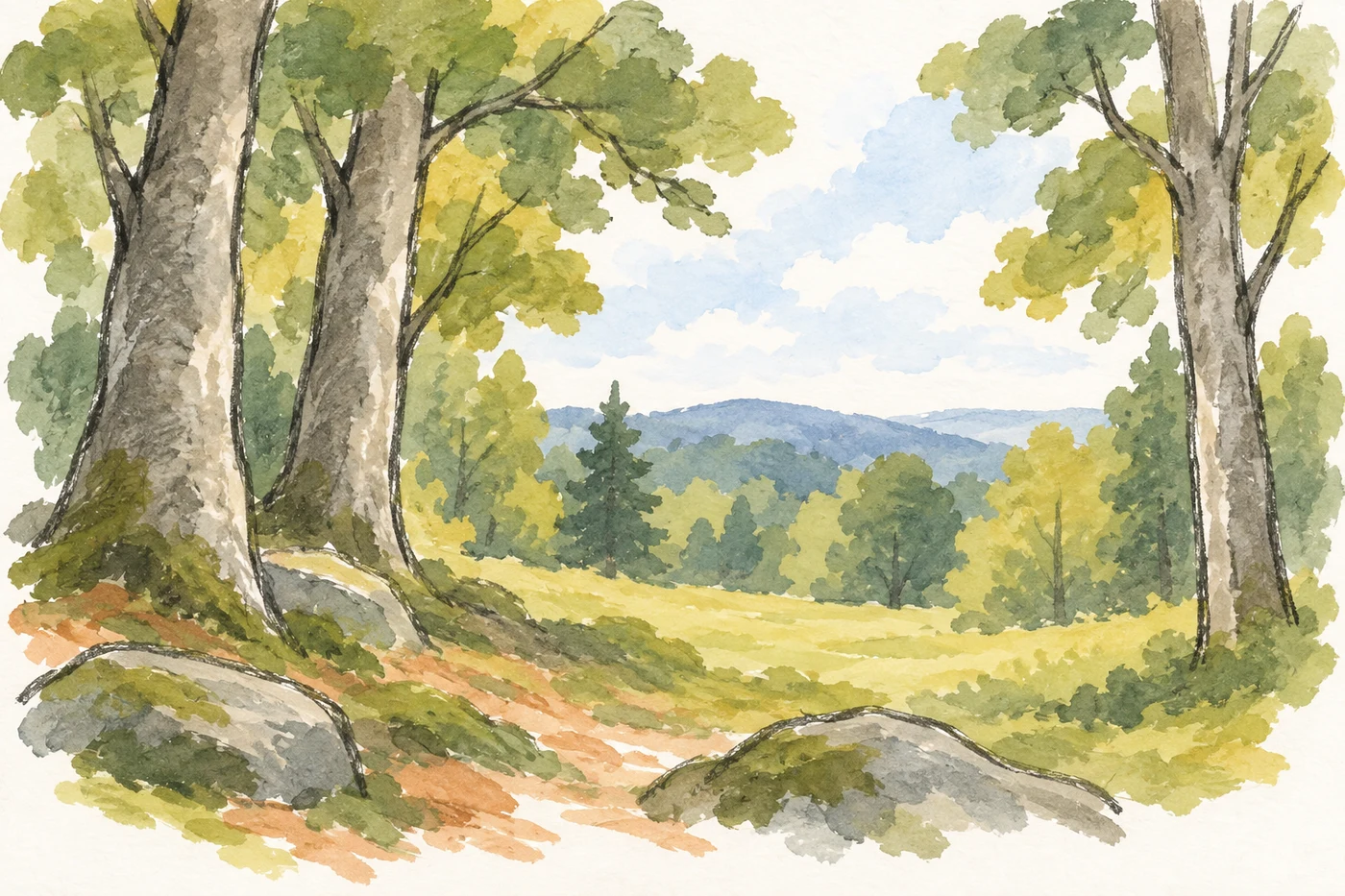
Deciduous and mixed forests with clearings, woodland meadows and forest edges, where it tracks down wasp nests. In Europe from May to September; it spends the winter in tropical Africa.
European Honey Buzzard